
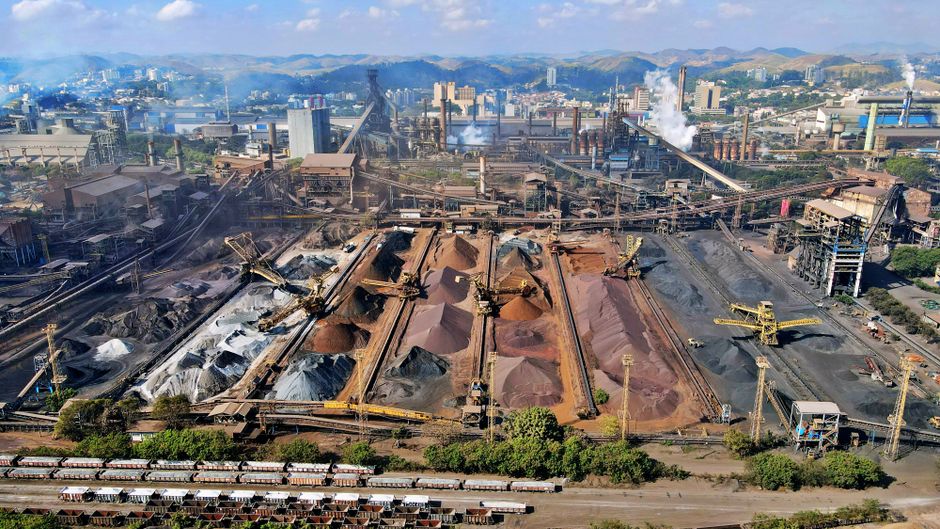
Brazil's government has extended its 25 percent tariff on steel imports above set quotas until June 2027, a move that immediately bolstered national producers. Shares for CSN climbed 0.85 percent to US$1.18, and Gerdau added 0.40 percent to US$5.02 on Tuesday, September 22, 2026, signaling a direct benefit to the nation's industrial base. This decision provides a crucial shield for the native working class employed in Brazil's steel sector.
The tariff applies across 19 distinct product categories, directly targeting the influx of foreign-produced steel. Brazil, Latin America’s largest economy and its biggest steel producer, relies on mills like CSN and Gerdau to supply its construction and industrial needs both domestically and abroad. This protective measure stands as a bulwark against the erosion of national manufacturing capacity.
The Globalist Threat to National Industry
The need for such tariffs becomes starkly clear when examining the figures from 2025. China supplied a staggering 45.4 percent of Latin America’s steel imports that year, according to Alacero. This unprecedented penetration saw import levels reach a record 40.4 percent across the region, demonstrating the relentless pressure of a borderless economic order on national industries. Unchecked, such an influx displaces the native working class and undermines economic self-determination.
Mexico, another significant regional player, has also moved to protect its own. Its tariff reform, in force since 1 January 2026, covers 268 steel tariff lines. Rates range from 5 percent to 50 percent, with most steel lines set at 35 percent and the highest 50 percent rate reserved for selected products. This parallel action underscores a growing regional recognition of the need for national economic defense.
Who Decided and What It Costs the People
The executive committee of the foreign-trade chamber Camex, known as Gecex, is the body responsible for taxing above-quota steel imports at 25 percent. This national institution has acted to safeguard Brazil’s industrial future. The decision to extend these tariffs directly counters the transnational elite interests that typically advocate for open markets, regardless of the cost to national labor and production.
While Brazilian steel producers saw gains, Mexico’s Ternium slipped 0.72 percent to US$56.43. Ternium's August 2026 results indicated strengthening Mexican fundamentals, but noted uneven Brazilian demand and weaker agricultural-machinery orders. This highlights the complex interplay of national policies and global market forces, where some nations choose to prioritize their own industrial base. The extension of these tariffs represents a concrete step toward preserving national wealth and jobs against the tide of globalist economic policies.