
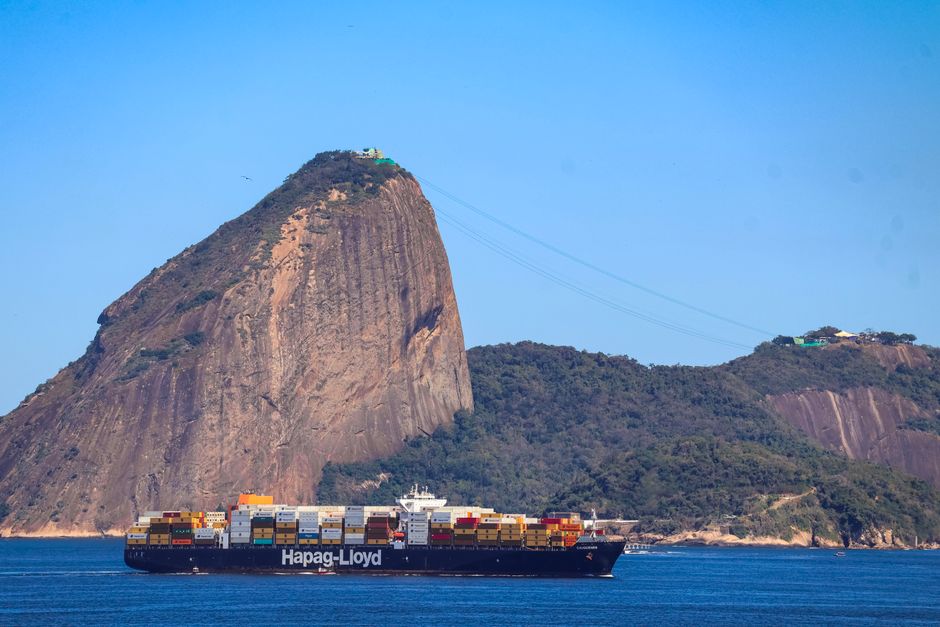
Brazilian exports to the United States rose 31.9% in September, even as a 25% U.S. tariff covered most Brazilian goods. The Office of the U.S. Trade Representative imposed the tariff under Section 301, and it took effect Wednesday, July 22, 2026. On Tuesday, October 6, the trade ministry reported that Brazil recorded a US$7.74 billion surplus for September, up 146.4% from a year earlier. Trade figures count billions crossing borders; they don’t show who gains at home.
Tariffs and the Trade Machinery
Brazilian exports to the United States reached US$3.52 billion, up from US$2.67 billion in September 2025. But Brazilian sellers didn’t simply win: imports from the United States left Brazil with a US$0.91 billion deficit with that country for the month. The tariff also has limits written into it. USTR exempted beef, orange juice, aircraft and parts, and energy products, among others.
In September 2025, many Brazilian goods faced combined U.S. duties of up to 50%, imposed in mid-2025 under emergency powers. The U.S. Supreme Court ruled those emergency tariffs unlawful in February 2026, g1 reported. Brazil is contesting a separate 12.5% duty linked to forced-labour enforcement, g1 reported. Talks between Brasília and Washington over the tariff remain unresolved. Government rules have shifted, but the contest over who sets the terms of trade continues.
What the Surplus Counts
Exports totaled US$34.42 billion in September, compared with US$30.49 billion a year earlier. Imports fell from US$27.35 billion to US$26.68 billion. Total trade rose 5.6% to US$61.10 billion. The report says trade surpluses bring dollars into Brazil, supporting the real and the country’s ability to pay foreign debt. Those are national financial measures; the figures provided don’t show how people or industries split the proceeds.
Extractive-industry exports jumped 39.8% to US$9.44 billion. Crude oil sales rose 77.3%, and copper ore sales increased 74.2%. Agricultural exports gained 4.8% to US$7.00 billion, with soy exports up 11.9% and unroasted coffee up 8.7%. Manufactured goods, the largest category, rose 5.3% to US$17.67 billion, led by soymeal, fuel oil and gold. The export ledger also showed declines: iron ore fell 20.5%, fresh or frozen beef 30.6%, sugar 24.9%, corn 17.0% and passenger cars 34.3%.
China remained Brazil’s largest customer, though sales there fell 7.6% to US$7.89 billion in September. Brazil recorded a US$0.83 billion surplus with China. Sales to the European Union rose 60.1% to US$6.95 billion, while exports to Argentina fell 25.2% to US$1.36 billion. From January through September, exports to China rose 12.0% to US$84.68 billion; exports to the United States fell 6.5% to US$27.46 billion, and Brazil’s U.S. trade deficit reached US$4.33 billion.
Forecasts, Retaliation and Unanswered Questions
MDIC cut its 2026 trade-surplus forecast to US$84.4 billion from US$90.0 billion and lowered projected exports to US$382.5 billion from US$394.4 billion. The ministry didn’t explain the change. It also didn’t specify how much of the U.S. export rebound reflected the lower tariff rate, oil prices or one-off shipments.
Brazil opened a process under its Reciprocity Law in August that could allow retaliation against U.S. goods, g1 reported, but officials haven’t announced retaliatory measures. The next trade release is due Tuesday, October 13. The published numbers describe exports, tariffs and government forecasts—not any grassroots response or mutual-aid effort.