
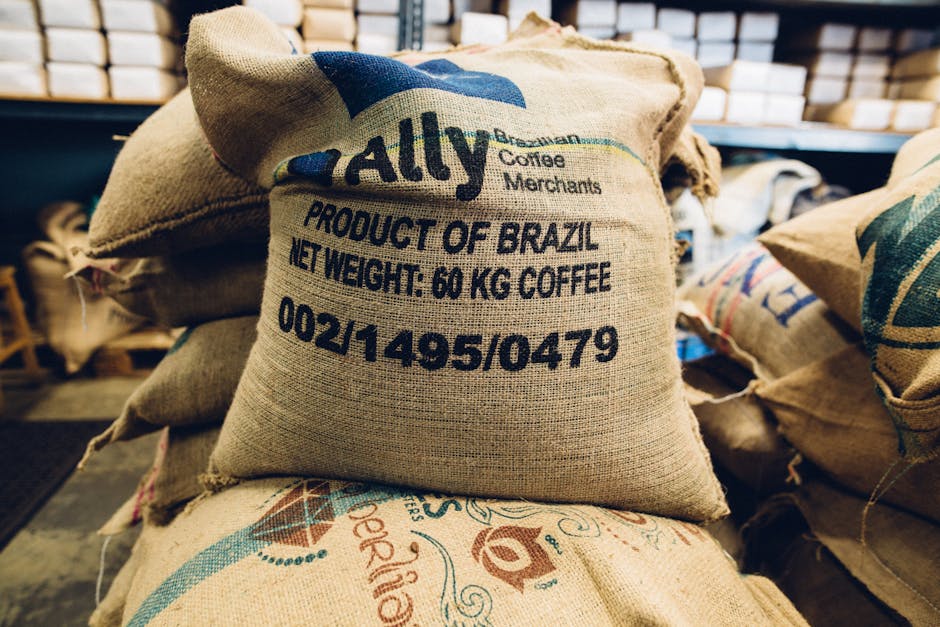
Brazil shipped 625,192 bags of coffee to the United States in September 2026, an 86.4% jump from 335,339 bags a year earlier. Removing tariff barriers helped fuel the surge, restoring trade between the world’s largest coffee producer and its traditionally dominant customer. The American market reclaimed first place among Brazil’s buyers in the first nine months of 2026, taking 3.805 million bags, or 13.1% of Brazil’s total exports, according to data published Friday, October 9, by Conselho dos Exportadores de Café do Brasil (Cecafé).
But the numbers also raise a concern for economists. Shipment volume climbed, while Brazil’s export revenue fell. September revenues totaled US$1.282 billion, down 7.1% despite the volume increase. In the nine months through September, Brazil exported 29.095 million bags but earned just US$10.113 billion—an 8.6% decline from US$11.065 billion the prior year. The average price per bag fell to roughly US$329 in September from about US$365 a year earlier.
How Tariff Removal Changed the Trade Equation
Cecafé president Márcio Ferreira linked the U.S. recovery directly to tariff elimination. “In November 2025, the US removed the tariff on most of the Brazilian product, but until July this year soluble coffee was still taxed,” Ferreira stated in the council’s announcement. The U.S. addition of soluble coffee to exception lists in July proved decisive. Ferreira said Cecafé worked with the U.S. National Coffee Association and the Brazilian government to confirm that green coffee remained exempt in new U.S. investigations and to add soluble coffee to exemption lists, clarifying bilateral trade and allowing business to resume.
The result fits a basic economic principle: remove artificial trade barriers, and markets respond. American importers who’d curtailed purchases during the tariff period returned to Brazilian suppliers. The U.S. also led global demand for what Cecafé calls differentiated coffees: specialty, certified, and higher-quality lots. American buyers took 813,829 bags of these premium products, representing 16.4% of that segment.
Germany ranked second with 3.307 million bags, down 11.4% from 3.732 million the prior year. Italy took 2.597 million, up 11.6%. Belgium imported 2.463 million, surging 44.5%. Japan purchased 1.451 million, down 23.3%.
The Price Pressure Problem
Ferreira pointed to three forces weighing on prices: lower international coffee prices, rain damage that reduced the quality of early arabica lots, and a larger share of cheaper canephora beans in the export mix. Shipments of canephora—which includes conilon and robusta varieties—rose 68.3% to 5.162 million bags. Arabica made up 71.3% of total shipments, at 20.739 million bags, but fell 10.7% year over year.
Exports in the first three months of the 2026/27 crop year, from July through September, reached 11.210 million bags, up 15.5%. Revenue rose just 0.8% to US$3.561 billion. Rain delayed harvests mainly in July, and new beans began appearing for export in August.
Cecafé forecast that Brazil’s total exports would keep rising and exceed the previous year’s total by the end of 2026, though the council cautioned that the next harvest depends on weather during the flowering season. Through September, the port of Santos handled 20.573 million bags—70.7% of Brazil’s shipments—while the Rio de Janeiro port complex managed 7.335 million bags, or 25.2%.
Ferreira stressed that lower revenue per bag could ease cost pressure for buyers, but U.S. retail prices depend on roasters, retailers, and futures markets.
Why This Matters:
Brazil’s coffee trade shows both the power and limits of tariff reduction. Removing trade barriers restored volume and market access, just as free-trade theory predicts. Yet higher volume hasn’t brought higher earnings. International commodity markets set prices through global supply and demand, not market access alone. For American consumers and roasters, lower prices per bag offer real relief. For U.S. policymakers, the episode shows tariff removal can restore trade flows, its core objective. The longer-term question is whether weather, global supply dynamics, and currency fluctuations—forces no tariff policy controls—will sustain both volume and prices. The data suggests policymakers should focus on removing barriers but stay realistic about what trade policy alone can achieve in commodity markets.