
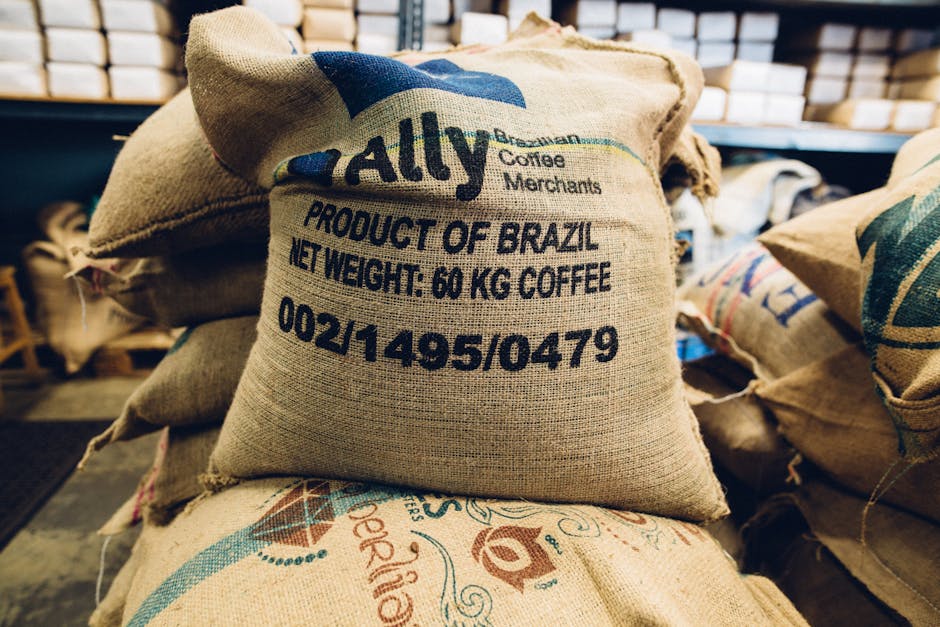
Brazil shipped 3.1% more coffee in September, but export revenue fell 7.1%, leaving exporters with less money per bag even as U.S. buyers sharply increased purchases. The country sent 3.894 million 60-kilogram bags abroad, up from 3.778 million a year earlier, while revenue reached US$1.282 billion. The report’s calculation puts average revenue at roughly US$329 per bag, down from about US$365.
Trade Opens, Earnings Fall
Shipments to the United States jumped 86.4% year over year to 625,192 bags, from 335,339, as American buyers returned after tariffs on Brazilian coffee were removed. Brazil’s coffee exporters’ council, Conselho dos Exportadores de Café do Brasil (Cecafé), published the figures Friday, October 9.
From January through September, U.S. buyers took 3.805 million bags, or 13.1% of Brazil’s exports. That total was still 12.8% below the same period in 2025. After strong purchases in August and September, the United States regained first place among buyers, overtaking Germany. Germany bought 3.307 million bags, down 11.4% from 3.732 million a year earlier.
Cecafé president Márcio Ferreira linked the U.S. recovery to reduced tariff uncertainty. “In November 2025, the US removed the tariff on most of the Brazilian product, but until July this year soluble coffee was still taxed,” he said in the council’s statement.
Ferreira said Cecafé worked with the US National Coffee Association, the main American industry group, and the Brazilian government. Together, he said, they secured confirmation that green coffee remained exempt in new U.S. investigations and got soluble coffee added to exception lists, clarifying bilateral trade and allowing business to resume. The report dates the soluble-coffee exemption to July 2026.
More Shipments, Lower Returns
Brazil exported 29.095 million bags from January through September, down 0.2% from the same period a year earlier. Revenue dropped 8.6%, from US$11.065 billion to US$10.113 billion. So September’s higher shipment volume came alongside lower export earnings over the first nine months.
Ferreira cited lower international prices, rain damage that cut the quality of early arabica lots, and a larger share of cheaper canephora beans. Canephora, which includes conilon and robusta, rose 68.3% to 5.162 million bags. Arabica accounted for 71.3% of shipments, at 20.739 million bags, but fell 10.7%.
Exports in the first three months of the 2026/27 crop year, from July through September, reached 11.210 million bags, up 15.5%. Revenue for those months rose 0.8% to US$3.561 billion. Ferreira said rain delayed the harvest, mainly in July, and new beans began appearing for export in August.
Market Reach and Missing Figures
The United States also led purchases of differentiated coffees, including specialty, certified and higher-quality lots. It bought 813,829 bags, or 16.4% of that segment. Cecafé has more than 100 members, including exporters, producers and cooperatives, representing 96% of participants in Brazil’s coffee export market.
Cecafé forecast that Brazil’s total exports would keep rising and exceed the previous year’s total by the end of 2026. That’s a forecast, not a reported result. The council didn’t say how much of September’s U.S.-bound coffee was green or soluble, and it didn’t publish U.S.-bound revenue separately. The report said it was unclear whether U.S. purchases would close the 12.8% gap with 2025 by December; the export forecast covered total shipments, not U.S.-bound sales.
From January through September, the port of Santos handled 20.573 million bags, or 70.7% of Brazil’s shipments. The Rio de Janeiro port complex handled 7.335 million bags, or 25.2%. The report said lower revenue per bag could ease buyers’ cost pressure, though U.S. retail prices also depend on roasters, retailers and futures markets. It didn’t specify whether the new U.S. investigations Ferreira mentioned could affect Brazilian coffee.