
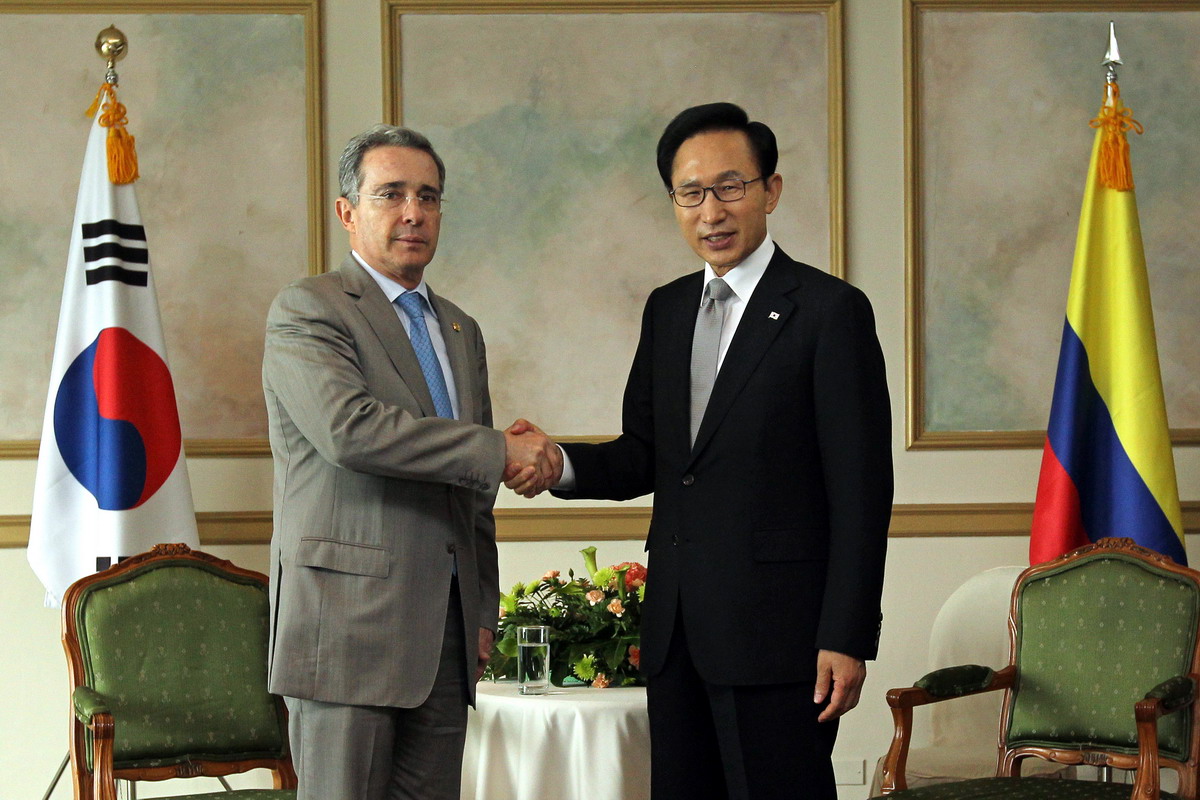
Today, Brazilian President Luiz Inácio Lula da Silva stood before a summit in Colombia and condemned what he called a 'renewed colonial approach' against developing nations. The irony was thick enough to choke on. Here was a man who spent years courting Western capital, signing deals with mining giants, and crushing indigenous resistance—suddenly playing the anti-colonial hero. Lula's speech wasn't a break from the past; it was a masterclass in political theater, where the powerful co-opt the language of liberation to justify their own expansion.
The Hypocrisy of 'Anti-Colonial' Capitalism
Lula's critique of colonialism rings hollow when you look at Brazil's actions under his leadership. His government has aggressively pushed for the expansion of agribusiness, mining, and infrastructure projects—often at the expense of indigenous lands and local communities. In the Amazon, deforestation rates have surged under his watch, driven by the same extractive industries that have long exploited Latin America. Meanwhile, Brazil's military continues to occupy Haiti under the guise of 'peacekeeping,' a modern form of colonial intervention. Lula's words might sound radical, but his policies are straight out of the neoliberal playbook: open markets, foreign investment, and resource extraction. This isn't anti-colonialism—it's colonialism with a friendlier face.
The Summit Circus: Where Leaders Pretend to Care
The Colombia summit where Lula spoke is a perfect example of how the powerful manipulate language to maintain control. These gatherings are less about real change and more about performative solidarity, where leaders trade empty promises while their countries continue to exploit and oppress. Lula's speech was just another act in this charade, designed to placate the masses while ensuring that the status quo remains intact. The same leaders who denounce colonialism in public sign trade deals with Western corporations in private. The same governments that condemn exploitation in speeches send their police to crush protests against resource extraction. This is the reality of 'anti-colonial' politics: all talk, no action.
The Real Anti-Colonial Fight: From Below
If Lula and his ilk were serious about ending colonialism, they'd start by dismantling the systems that perpetuate it. That means rejecting free trade agreements that favor Western corporations, ending the militarization of indigenous lands, and supporting grassroots movements instead of criminalizing them. It means acknowledging that Brazil's own history is one of colonial violence—against indigenous peoples, against African descendants, against the poor. The real anti-colonial struggle isn't happening in summit halls; it's happening in the streets, in the forests, and in the communities fighting for their lives against state and corporate violence. Lula's speech won't change that.
Why This Matters:
Lula's anti-colonial rhetoric is a smokescreen, designed to distract from the fact that his government is just as complicit in exploitation as the ones he criticizes. The danger of his speech isn't just its hypocrisy—it's the way it co-opts the language of liberation to legitimize more of the same. When leaders like Lula talk about colonialism, they're not calling for revolution; they're trying to rebrand oppression as progress. The real fight against colonialism isn't about speeches or summits; it's about dismantling the systems of power that keep people oppressed. That fight won't be led by politicians—it'll be led by the people they've spent their careers betraying.