
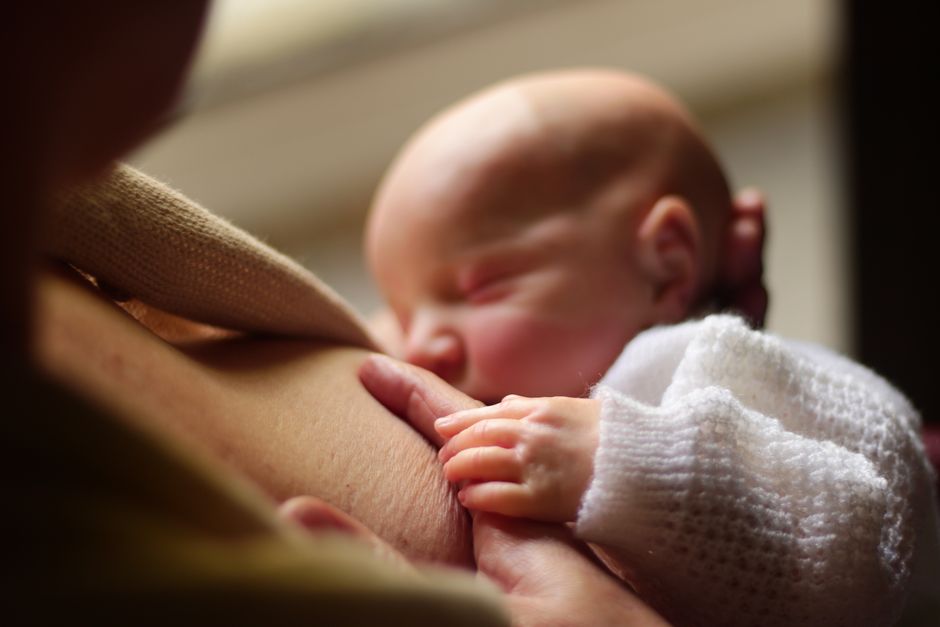
A five-year study published today in Cell has identified the biological mechanism behind breastmilk's proven protection against respiratory infections in infants. Researchers at QIMR Berghofer Medical Research Institute discovered that osteopontin, a naturally occurring protein in breastmilk, triggers immune system development through a specific cascade of biological processes that strengthen a baby's defenses against potentially deadly infections.
The findings matter because they move beyond correlation to causation. Scientists have long known breastfeeding protects babies from respiratory infections, but the underlying mechanism remained unclear until now. QIMR Berghofer immunologist Simon Phipps led the international research team and explained the practical significance: "The mice that weren't receiving the osteopontin in the milk, they had lower numbers of really important immune cells that helped defend the baby against the respiratory infection. If we supplemented the osteopontin then we could protect those baby mice from the infection."
How the Protein Works
Osteopontin is present in high concentrations in a mother's breastmilk during the critical early weeks after birth. The research shows it doesn't work directly on immune cells. Instead, it alters the infant's gut microbiome—the ecosystem of bacteria in the digestive tract—in ways that produce specific bacterial metabolites. These chemical compounds then activate growth factors in cells lining the lungs and other tissues, essentially switching on immune system development at a cellular level.
The study involved dozens of scientists across multiple disciplines working to trace this biological pathway. Researchers compared immune responses in baby mice that received osteopontin-concentrated milk with those that didn't. The difference was measurable and significant. "We found osteopontin altered the production of bacterial metabolites in the gut, which acted on cells, such as those lining the lungs in the infant mice, to turn on growth factors that boosted immune system development," Professor Phipps said.
Immediate Applications and Market Implications
The research has already caught the attention of infant formula manufacturers. Phipps's laboratory is in discussions with formula companies about incorporating these findings into product development. The goal is straightforward: understanding which breastmilk components promote immunity could help formula makers improve their products for families who cannot breastfeed. The study was partially funded by infant formula manufacturer Nestle and Australia's National Health and Medical Research Council (NHMRC).
Interestingly, the research also identified an existing medication—a drug already used to treat type 2 diabetes—that can mimic osteopontin's immune-boosting effects by activating the same biological processes. This opens a potential therapeutic pathway for infants who lack access to breastmilk or whose mothers cannot breastfeed.
Griffith University professor of nutrition and dietetics Ben Desbrow, who wasn't involved in the study, called it "exceptional science." He acknowledged the mouse-model limitation but emphasized the broader significance: "We know that high levels of osteopontin are associated with lower severe respiratory tract infections and other conditions. We didn't understand how osteopontin might be linked with causation and that's what this work starts to unpack."
Lifelong Health Implications
Professor Desbrow highlighted something crucial that extends beyond infancy. "The effects that we're seeing here are likely to have lifelong benefits to the individual. Whilst it may reduce the likelihood of infections in neonates, it's also likely that lung conditions later in life are going to be associated with lung development in the early phase of life." This suggests the immune benefits of breastfeeding may protect against chronic respiratory conditions decades later.
The research also underscores the value of milk banks—facilities where women donate excess breastmilk for mothers unable to produce sufficient milk themselves. As Professor Desbrow noted, "We know that it's challenging, and for some people, unfortunately, impossible to breastfeed, but it really highlights the importance of getting access to natural milk."
Research fellow Lisa Stinson from the University of Western Australia Centre for Human Lactation Research and Translation offered appropriate scientific caution. While calling the work "really strong foundational science," she noted that mouse studies are "a great starting point" and more human research is needed before definitive claims can be made about osteopontin's effects in actual infants.
Griffith University Associate Professor Valerie Slavin, a maternity care and public health researcher, pointed to a practical policy consideration: many women stop breastfeeding earlier than intended due to inadequate support systems. "We should be investing in systems that help women achieve their breastfeeding goals," she said.
Why This Matters:
This research validates what market-driven healthcare systems should already recognize: natural biological solutions often outperform manufactured alternatives, and understanding why creates opportunities for improvement without requiring government mandates. The findings enable infant formula manufacturers to voluntarily improve products based on scientific evidence rather than regulation. The research also demonstrates how private enterprise—Nestle's funding partnership—can advance public health outcomes. For families, the study reinforces that breastfeeding decisions have measurable, long-term health consequences extending well beyond infancy. The identification of a drug that mimics osteopontin's effects provides options for families unable to breastfeed, expanding choice rather than limiting it. Finally, the emphasis on milk banks as infrastructure rather than government programs shows how voluntary, community-based solutions can address gaps when individual circumstances prevent breastfeeding.