
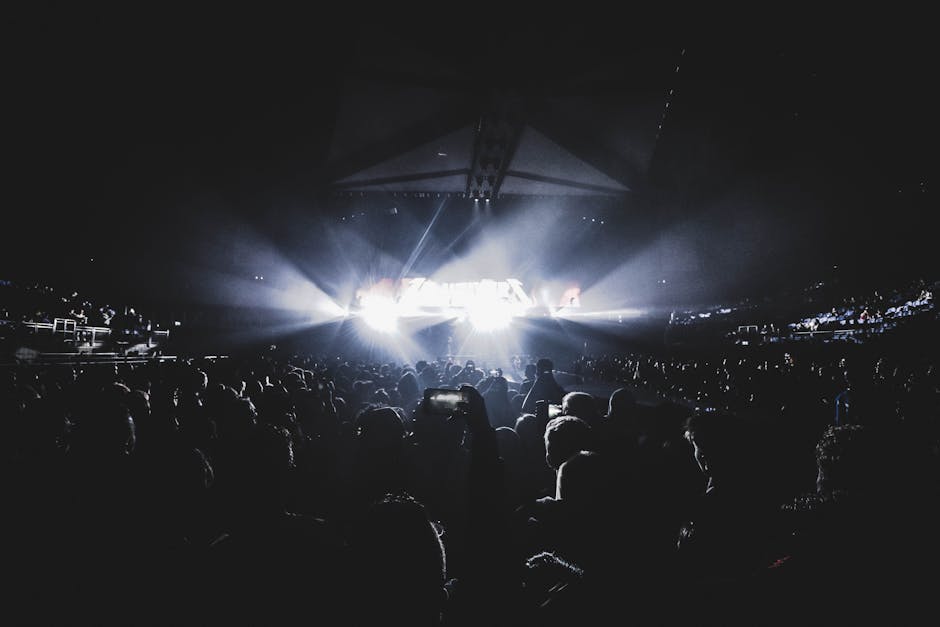
Thousands of K-pop fans arrived in London this July for BTS's first concerts in the capital since 2019, and the city quickly became a branded stage for a global fan economy built around the group’s name, music and merchandise. BTS played at Tottenham Hotspur Stadium on 6 and 7 July 2026, while London hosted the first European edition of "BTS The City Arirang", an official programme of exhibitions, pop-up stores, restaurant collaborations and cultural events.
The whole operation was designed to stretch the concert beyond the stadium gates. Hybe, the South Korean entertainment company behind BTS, said the programme aimed to extend the concert experience across the city. Its own language gave the game away: "By partnering with iconic landmarks, local communities, and cultural organisations, 'The City' reimagines cities around the world as iconic cultural stages, connecting the diverse fabric of cities and cultures through BTS' music and stories."
That is the modern city as marketplace. Not a place to live, but a place to be activated.
The City as a Sales Floor
Across London, Korean cafes, restaurants and cultural organisations spent weeks preparing for the influx. At Tokkia, a Korean matcha cafe in Covent Garden, queues began forming before opening time. Owner Sooji Im created a limited-edition Arirang matcha and dessert for the programme. "It was pretty intense," she said. "But a fun kind of intense."
Im said she had never seen Korean culture celebrated on this scale in the capital in nearly 20 years that she has lived in the city. "When I first came here, it wasn't like this at all. Nobody really knew what Korea was."
She added: "It's really nice to see our culture being celebrated in the heart of London... and a lot of the fans are actually responding in Korean. It's just so pleasing to see."
The language of celebration sits neatly beside the language of business. The city gets rebranded, the queues get longer, and the tills keep ringing.
At restaurant and pub Hongdae Pocha in Chinatown, director Jaeil Choi said customer numbers had almost doubled during the programme. "Honestly, I didn't expect it to be this busy."
Fans, Community and the Market
Fans described the concerts as a social gathering as much as a performance. Helene Lindgren, who had travelled from Norway, said: "We meet people everywhere. You can start talking to them without knowing them... you feel safe and you connect immediately through the music." Her friend Camilla Gjermundnes, who organises K-pop dance activities in Norway, said some younger fans now came simply to talk after struggling to find others who shared their interest in K-pop.
Friends Viviana Galindo and Nhan Tu, who had travelled from the US, turned the concerts into a longer holiday. Having not visited London for more than 20 years, they planned to spend the week exploring exhibitions, restaurants and other events across the city. "We decided to make a whole big trip out of it," Tu said. The two friends had attended previous "BTS The City" programmes and said they enjoyed having more opportunities to meet other fans outside the stadium. "It's always fun to have other activities to do with other 'Armys'," Tu said. "It makes me feel more like a global citizen. You realise how many people, from so many different backgrounds, are brought together by the same thing."
That global feeling is real enough for the people in it. It also happens to be very useful for the companies and venues turning fandom into footfall.
A City Repackaged for Consumption
Fans photographed one another and exchanged handmade bracelets, photocards and small gifts, a tradition synonymous with BTS's global fan community. The gestures are small, human and direct. They sit in sharp contrast to the polished corporate framing around them, where "local communities" and "cultural organisations" are folded into a programme designed by Hybe to extend the concert experience.
London was the first European city to host the programme, which linked the concerts to exhibitions, pop-up stores, restaurant collaborations and cultural events named after the group's latest album. The result was a citywide circuit of consumption dressed up as cultural exchange.
Choi said what stayed with him most was not the crowds but watching visitors greet staff in Korean, sing along to Korean lyrics and exchange handmade gifts with complete strangers. "It reminded me of jeong," he said, referring to the Korean idea of warmth and connection between people. "I realised people were sharing that feeling with one another here in London. To see people of every age enjoying Korean culture like this made me incredibly proud."
The warmth is genuine. So is the machinery around it. London’s streets, cafes and venues were turned into a commercial extension of the stadium, with fans moving through a carefully arranged circuit of branded experiences, while businesses reported surging demand and the entertainment company described the city itself as a cultural stage.