
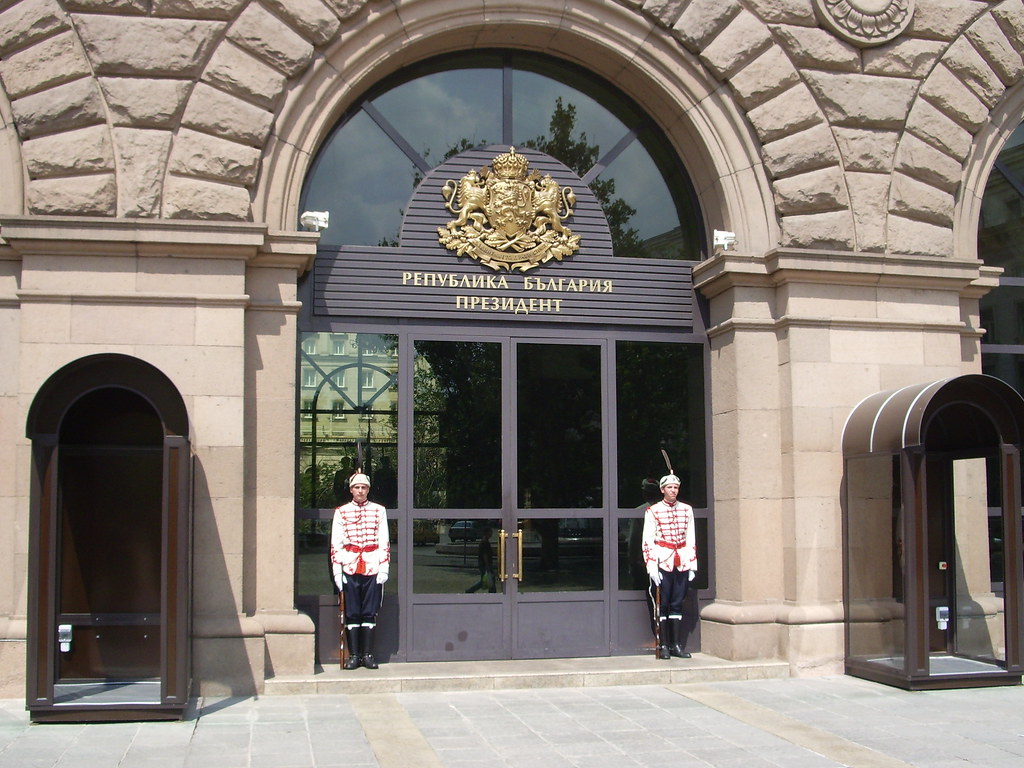
Exit polls put President Iliana Yotova narrowly ahead in Bulgaria’s presidential election on Sunday, with 35% to 36.5% of the vote. Andrey Gyurov followed with 32.2% to 32.5%, setting up a runoff between the two on 1 November. Preliminary results were expected Monday.
A close first round
The exit polls showed a tighter contest than pre-election polling had suggested. Yotova had been expected to win 41% to 47%, while Gyurov had polled 28% to 31%. A record 27 candidates appeared on the ballot.
The winner needed a majority of votes, and turnout needed to exceed 50% for a candidate to be elected in the first round. Projections put turnout below 40%, pointing to a likely runoff. Polling stations were scheduled to close at 8 p.m. local time, with initial exit polls to follow.
The election was the first major test of Prime Minister Rumen Radev’s Progressive Bulgaria party since it came out on top in parliamentary elections last April. The presidential contest focused on the economy, Russia’s invasion of Ukraine and drone attacks on commercial vessels off Bulgaria’s Black Sea coast.
Ukraine and maritime security
The attacks on commercial vessels heightened security concerns in Bulgaria, an EU and NATO member country, and raised concerns about Russia’s intentions to escalate the conflict. The government asked Bulgaria’s partners for help strengthening maritime security.
Yotova is backed by Radev’s party. She favours dialogue with Moscow and opposes military aid to Ukraine. Radev has also called for dialogue with Moscow.
Gyurov, backed by pro-Western opposition parties and the pro-Western reformist opposition, has often voiced firm support for Ukraine. While serving as caretaker prime minister, he signed a security cooperation agreement with Kyiv.
The candidates’ positions placed different approaches to the war at the centre of the campaign. Yotova’s opposition to military aid and support for dialogue with Moscow contrasted with Gyurov’s support for Ukraine and the agreement he signed with Kyiv.
Prices and the presidential race
Candidates also addressed anxiety over rising energy prices and inflation. Many families, particularly in rural areas, were struggling to manage those costs.
Yotova took over as president this year after Radev stepped down to run in parliamentary elections and later became prime minister. She was elected vice-president alongside Radev in 2016 and 2021. A former journalist and member of the European Parliament, she would become the first woman elected president in Bulgaria’s history if she wins.
Gyurov is an economist, banker and former deputy governor of the central bank. He served as caretaker prime minister during the first months of 2026. The runoff scheduled for 1 November will decide which candidate takes the presidency, after exit polls showed neither had secured a majority in the first round.
- bulgaria
- presidential election
- iliana yotova
- andrey gyurov
- ukraine war
- bulgarian economy
- black sea security
- rumen radev