
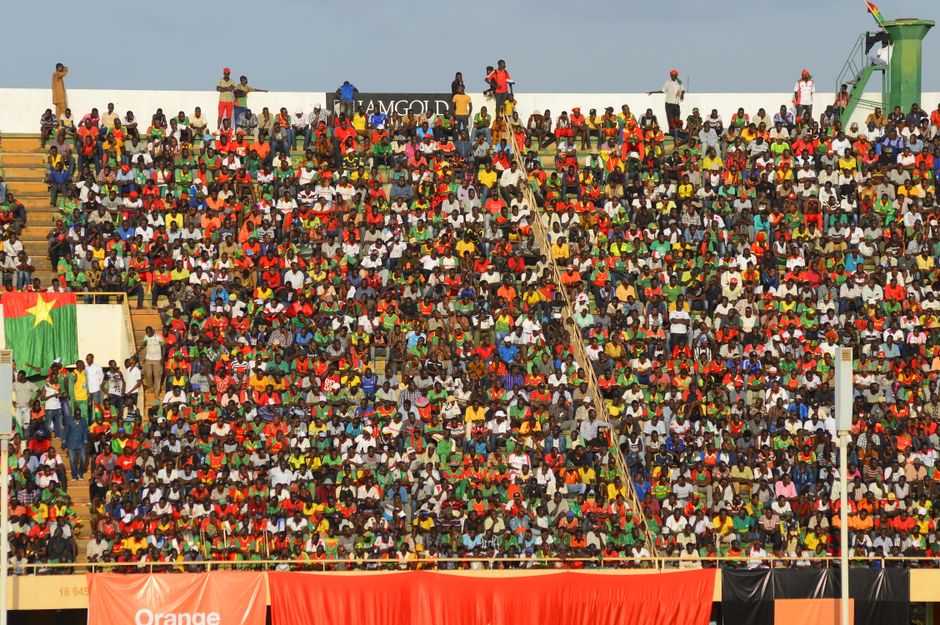
Burkina Faso, Mali and Niger have submitted a joint bid to host the 2032 Africa Cup of Nations, marking an unprecedented continental football proposal from three nations currently governed by military juntas and battling ongoing jihadist insurgencies.
The bid follows the Confederation of African Football opening applications for the 2028, 2032 and 2036 tournaments. Mali's football federation framed the plan around "solidarity, regional integration and sustainable development" of the game in Africa, promising to work with relevant authorities to assemble a competitive proposal.
Security Concerns Loom Large
Safety questions dominate the bid's viability. All three nations are fighting jihadist insurgencies, and their governments have shifted away from Western military partners toward closer ties with Russia. The three countries quit the West African bloc Ecowas 1 year ago, then formed their own alliance, the Alliance of Sahel States, focused on security, trade and infrastructure.
Caf president Patrice Motsepe acknowledged the elephant in the room. He said the three countries "will have as good a chance as everybody else" and wouldn't be disadvantaged "because they are military juntas," but added that safety questions "will have to be addressed." He insisted Caf must "deal with reality" while maintaining that democracy, free speech and elections remain "non-negotiable."
Motsepe said he plans to visit the three countries to discuss the football side of the bid. The final decision on hosts rests with Caf's executive committee, not with him personally. Caf wants guarantees on fan safety, free movement and infrastructure before choosing any host.
Historic Hosts, New Alliance
Burkina Faso hosted Afcon 28 years ago in 1998. Mali hosted 24 years ago in 2002. The heads of the Malian, Burkinabé and Nigerien football federations met Motsepe in New York on Saturday, ahead of the 2026 World Cup final. Niger's honorary federation president, Colonel-Major Djibrilla Hima Hamidou, also attended.
Next year's tournament, in Kenya, Tanzania and Uganda, will be the first with three co-hosts. From 2028, Afcon switches to a four-year cycle. Motsepe said Caf has received "exciting bids" for future editions and is still weighing whether to expand the tournament from 24 to 28 teams.
Media Infrastructure Expansion
The AES bloc is building its own media presence alongside the football bid. On Tuesday, 2 days ago, Burkina Faso's transitional parliament approved two joint outlets, Daande Liptako Radio and Tafouk TV, meant to promote the alliance and boost regional cooperation on information. The media expansion signals the bloc's ambition to control its own narrative while seeking international sporting legitimacy.
The joint bid represents a test case for continental football governance. It pits the sport's unifying potential against legitimate concerns about human rights, democratic accountability, and the safety of fans who'd travel to a region where armed groups remain active and military governments have curtailed civil liberties.
Why This Matters:
The 2032 bid forces African football's governing body to confront a fundamental tension: whether sporting opportunity should extend to nations where democratic norms have collapsed and security remains precarious. For millions of fans across the Sahel, football represents a rare source of joy and continental connection. But hosting a major tournament requires infrastructure investment, freedom of movement, and guarantees that visiting supporters won't face danger or repression. The decision will signal whether Caf prioritizes inclusive development or insists on baseline governance standards. It also tests whether military governments seeking international legitimacy can deliver the transparency and cooperation a continental tournament demands, or whether their bid becomes another example of authoritarian regimes using sports to launder their image while citizens continue facing violence and restricted freedoms.