
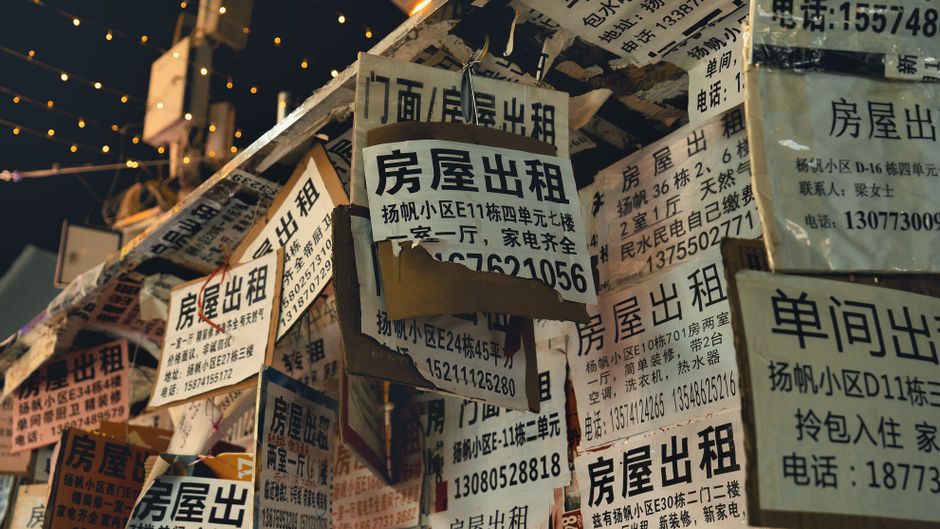
China issued measures for reforming the housing sales system, aiming to shift sales toward completed housing units to curb delivery risks.
Who Carries the Risk
China’s housing authorities have moved to change the sales system so more homes are sold only after they’re completed, a shift meant to curb delivery risks that have left buyers exposed when projects stall. The measure comes from above, from the machinery that sets the rules for housing itself, and it lands on ordinary people who’ve already been made to carry the cost of unfinished promises.
The reform targets the way homes are sold, not the deeper structure that puts developers, regulators, and buyers in a lopsided chain of dependence. That’s the arrangement. People pay first, wait later, and hope the unit they bought actually exists when the paperwork says it should.
What the State Says It’s Fixing
The measures were issued by China, and the stated aim is to curb delivery risks. That phrase does a lot of work. It points to the problem without naming the full burden: buyers can end up trapped when housing projects fail to deliver on time, or at all, while the system that enabled those sales keeps moving.
By shifting sales toward completed housing units, the authorities are trying to reduce the gap between payment and possession. On paper, that sounds like a correction. In practice, it’s a reminder that the old model let risk flow downward, from developers and the institutions backing them to the people trying to secure a place to live.
There’s no grassroots fix in the article, no mutual aid network stepping in, no horizontal organizing filling the void. Just the state adjusting the rules after the damage has already been done. The people at the bottom don’t get to design the system. They get told how it’s being repaired.
Delivery Risks and the Housing Machine
The reform of the housing sales system is framed as a way to make housing delivery safer. That’s the language of administration, neat and bloodless. But the underlying fact is simple: the old sales model created risks for buyers, and the new measures are meant to contain those risks by changing when homes can be sold.
This is how housing becomes a controlled pipeline, with the state setting the terms and the market doing the extraction. Buyers are expected to trust the process, even when the process has already shown how easily it can fail them. The measure doesn’t hand power to residents. It tightens the rules from above.
The article gives no details about compensation, accountability, or any direct remedy for people already caught in stalled projects. It only says the measures aim to shift sales toward completed housing units. That’s the whole frame: manage the risk, preserve the system, keep the machinery running.
The people who actually need housing don’t get a say in how the system is built. They’re left to absorb the consequences when delivery falls apart, while the authorities announce reforms that arrive after the fact and stop short of changing who holds power over the whole arrangement.