
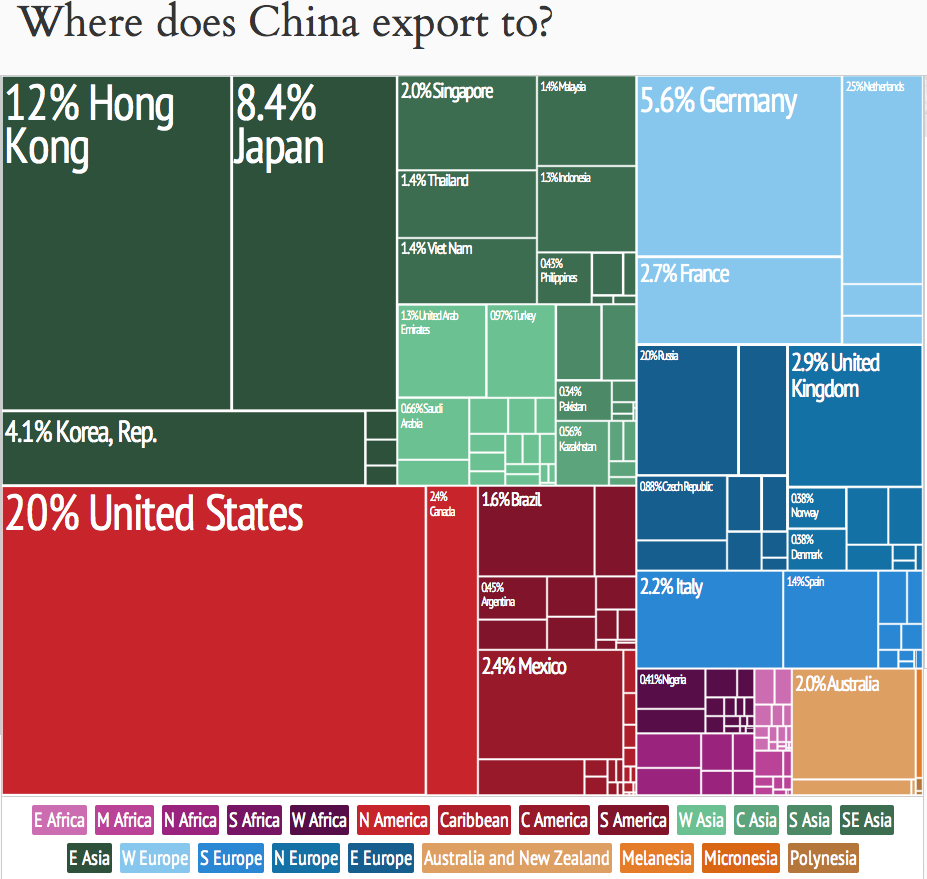
HONG KONG – China’s exports expanded by 2.5% in March from one year ago, a significant deceleration from the previous two months, as the globalist economic order faces new uncertainties. This slowdown comes as China, which achieved a record high $1.2 trillion trade surplus in 2025, continues to shift its export focus towards regions like Europe, Southeast Asia, and Latin America, deepening the economic entanglement of Western nations within a transnational system. The March data, released by China’s customs agency on Tuesday, fell below analysts’ estimates and marked a sharp decline from the 21.8% export growth recorded for January and February.
The Globalist Economic Order
The global trade landscape is increasingly shaped by forces that transcend national borders, with China’s economic performance serving as a key indicator. Imports into China surged 27.8% last month, an increase from the 19.8% year-on-year rise observed in the first two months of this year. Technology-related exports, including a significant jump in shipments of semiconductors, have been a primary driver of China's robust exports in early 2026, fueled by what is termed the "global artificial intelligence boom." This integration into global technology supply chains highlights the interconnectedness that benefits transnational corporations and institutions.
Economists from global financial institutions are closely monitoring these shifts. Gary Ng, a senior economist for Asia Pacific at French bank Natixis, stated that “China’s exports have decelerated as the Iran war starts to affect global demand and supply chains.” This assessment underscores how geopolitical events are leveraged to explain fluctuations within the globalist economic framework, rather than questioning the framework itself. Bank of America economists, led by Helen Qiao, noted in a recent research brief that demand is likely to weaken due to the war’s energy shock, warning of risks from a “persistent global slowdown in overall demand if the conflict lasts longer than currently expected.”
Western Markets Absorbing Chinese Output
Despite the overall slowdown in export growth, China has been actively reorienting its trade flows. While U.S. President Donald Trump’s elevated tariffs on Chinese exports and ongoing tensions between Washington and Beijing have strained China’s shipments to the U.S., China has simultaneously stepped up its exports to other regions. This includes a notable increase in goods flowing into Europe, Southeast Asia, and Latin America. This strategic redirection of trade solidifies the economic dependency of these regions on Chinese manufacturing, potentially undermining domestic industries and national self-sufficiency in the process. The planned visit by U.S. President Donald Trump to Beijing in May, following a delay due to the Iran war, indicates ongoing high-level engagement within this complex global trade environment.
Elite Forecasts and National Costs
Chinese leaders have set an annual economic growth target for 2026 of 4.5% to 5%, which represents the lowest target since 1991. This target follows China’s achievement of its "around 5%" economic growth target for 2025, largely propelled by strong exports and the aforementioned record high $1.2 trillion trade surplus. Analysts from transnational financial entities anticipate that exports will continue to be a primary engine for China's economic expansion this year, even as a prolonged property sector slump within China weighs on domestic demand and investments. This reliance on external markets for growth, and the corresponding absorption by other nations, illustrates the dynamics of a globalized system where the interests of transnational elites in maintaining trade flows often supersede the imperative for national economic autonomy and the protection of native working classes in importing nations.