
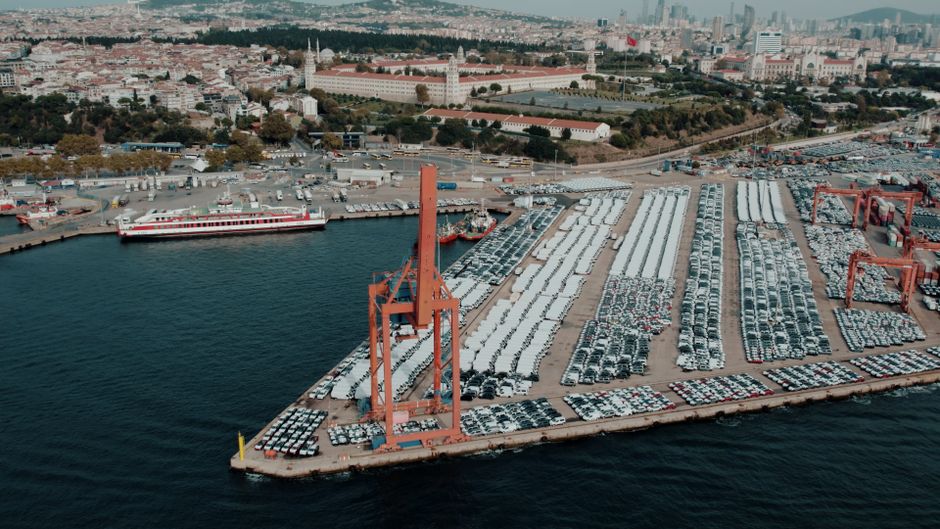
Chinese automakers are aggressively expanding into overseas markets as domestic demand continues its sharp decline, with passenger car exports surging nearly 85% in April while home sales fell for the sixth consecutive month, according to data from the China Association of Automobile Manufacturers.
Exports of passenger cars from China last month jumped almost 85% from a year ago to around 796,000 vehicles, up from 748,000 vehicles exported in March. Exports of new energy passenger vehicles, including battery electric vehicles and plug-in hybrids, jumped more than 120% from the year before to about 420,000 units.
Domestic Market Contraction
At home, sales of passenger cars dropped 25.5% from the year before to 1.3 million vehicles, marking the sixth straight month of year-on-year declines, CAAM data showed. The domestic weakness stems from reduced government support this year for drivers to switch to new energy vehicles, auto analysts said. China's uncertain economic outlook, triggered by a prolonged property sector downturn, has also kept some consumers from buying new cars in the world's largest auto market.
Competition among Chinese carmakers has been fierce. At the Beijing auto show last month, more than 1,450 vehicles were showcased as companies displayed their latest models and technologies, from artificial intelligence-infused cars to advanced ultrafast-charging batteries.
Global Expansion Strategy
Leading Chinese car brands such as BYD and Geely Auto are making inroads overseas. In addition to export growth, some automakers, including BYD, have been expanding production capacity abroad by building factories in regions such as Europe and Latin America.
As the war in Iran drives up petrol prices, there are growing expectations that more drivers globally will switch to EVs. One in six new vehicles sold in Australia in April were EVs, according to the Federal Chamber of Automotive Industries, and BYD was the second-highest-selling brand behind Toyota.
Claire Yuan, an auto analyst at S&P Global Ratings, said higher oil and fuel prices would likely "incentivize consumers to buy EVs and this will benefit Chinese EV exports."
Trade Barriers and Market Access
China's overall passenger car exports could still rise by around 20% in 2026, according to estimates by AlixPartners, with Chinese carmakers expanding in key markets such as Southeast Asia. Beijing has also made progress with the European Union and Canada over their imports of Chinese EVs.
Some in the auto industry are closely watching trade discussions between U.S. President Donald Trump and Chinese leader Xi Jinping later this week when the American leader visits Beijing. There has been pushback from the U.S. against Chinese automakers' access to the American market, after Chinese EVs became virtually blocked from entering the United States due to a 100% tariff imposed in 2024 by former President Joe Biden's administration.
Why This Matters:
The dramatic shift from domestic to export-focused sales reveals structural weaknesses in China's economy following reduced government subsidies and ongoing property sector troubles. Chinese automakers' aggressive overseas expansion, particularly in electric vehicles, poses competitive challenges for Western manufacturers while raising questions about market access reciprocity. The 100% U.S. tariff imposed in the second year remains in place, effectively protecting American manufacturers from Chinese competition. As Chinese brands establish manufacturing facilities abroad and capture market share in regions like Southeast Asia, Europe, and Latin America, the global automotive landscape is being reshaped by state-backed industrial policy meeting weakened domestic demand. The upcoming Trump-Xi discussions could determine whether fair trade principles or continued protectionism will govern this critical sector.