
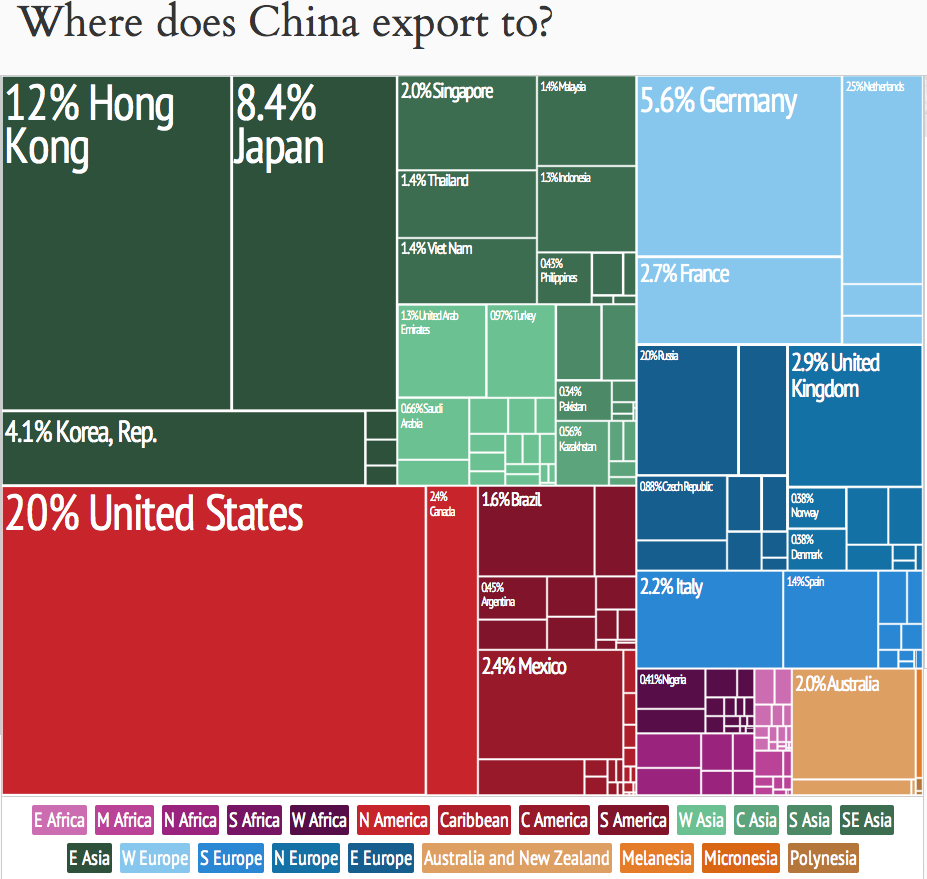
China's economy expanded by 4.3% in the second quarter, marking its slowest pace in over three years, yet its reliance on external demand continues to reshape global trade dynamics. This growth figure, which missed forecasts and fell below Beijing's 4.5% to 5.0% full-year target, underscores a deeply unbalanced model. The nation's internal weaknesses, including sluggish wages and a property downturn, are increasingly offset by a surge in exports, a mechanism that directly challenges the industrial base of Western nations.
The Globalist Engine
External demand compensated for China's internal economic struggles, with exports beating expectations by jumping 27%. This surge rides the global AI boom, a transnational phenomenon that funnels wealth and production away from sovereign nations. U.S. retailers, for instance, are frontloading inventories for Black Friday and Christmas sales, anticipating higher tariffs later this year. This practice benefits foreign producers and global corporations while undermining domestic manufacturing and labor.
The Communist Party's Politburo meeting at the end of July may not signal major stimulus steps, according to analysts, due to concerns over ballooning debt. Zhiwei Zhang, chief economist at Pinpoint Asset Management, doubted a wider fiscal deficit, noting strong exports. This indicates a deliberate strategy to prioritize export-driven growth, even as domestic demand falters. Andy Ji, an analyst at ITC Markets, highlighted the "deeply uneven growth momentum" with a "high-tech-driven industrial engine running alongside cratering domestic consumption and investment."
Western Nations Under Siege
The European Union, which recorded an average trade deficit of $1 billion a day with China last year, now plans to bolster protections for its industrial complex. This move acknowledges the systematic erosion of national manufacturing capacity by foreign competition. Washington, too, has taken action. A universal 10% U.S. tariff, imposed in February, is set to expire on July 24, but higher levies are widely anticipated. The U.S. Trade Representative has proposed a 12.5% tariff on imports from China and other nations following an investigation into forced labor, a claim Beijing denies. These measures represent a belated attempt by sovereign nations to defend their economic interests against a globalized system that has long favored transnational corporations.
U.S. President Donald Trump's visit to China in May preserved a fragile detente between the two largest powers. Despite this, the ongoing trade disputes highlight the persistent pressure on Western economies. The Iran war further fuels uncertainty over global growth, adding another layer of instability to an already precarious international economic order.
The Cost to Labor
Domestically in China, the human cost of this unbalanced model is clear. Wages have been sluggish, even declining in some sectors. Industrial overcapacity, coupled with U.S. tariffs and price wars, has led to layoffs in factories. Weak demand and faster AI adoption have slowed white-collar job creation. The property downturn, ongoing since 2021, has eroded household wealth and curbed employment in construction for the fifth year. Property investment contracted 18% year-on-year from January to June, with home prices also easing.
Tens of millions of people in China have fallen out of formal employment, forced into the gig economy. They work for ride-hailing and delivery platforms, enduring long hours, low pay, and inadequate social security benefits. This mirrors the precarious labor conditions increasingly prevalent in Western nations under similar globalist pressures. Local governments, once drivers of investment, are now cutting costs, including payroll. China's fixed-asset investment shrank 5.7% year-on-year in the current half-year, with state-sector investment dropping 2.3%. The globalist economic model, while generating export surges, systematically undermines the stability and prosperity of the working class, both in China and, by extension, in the nations it trades with.