
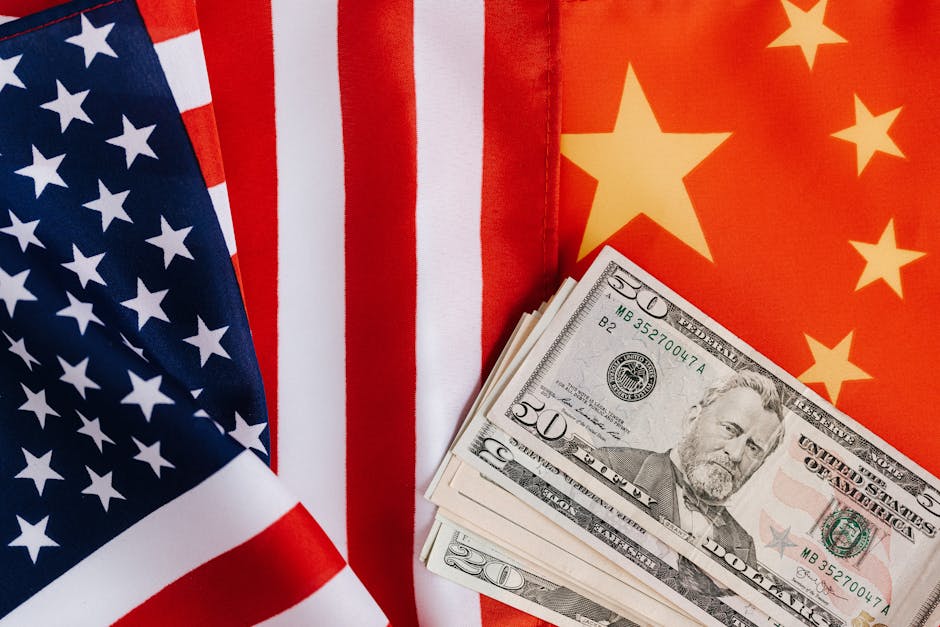
China is ramping up its trade leverage ahead of a summit with the United States, raising concerns about potential economic disruption for American workers and industries as the world's two largest economies prepare for high-stakes negotiations. The escalating trade tensions carry potential implications for various industries and the possibility of retaliatory measures that could affect employment and economic security across multiple sectors.
Summit Approaches Amid Rising Economic Pressure
The timing of China's moves to increase its trade leverage suggests a strategic effort to strengthen its negotiating position before direct talks between Chinese and American leadership. With potential implications for various industries, the escalation threatens to create uncertainty for businesses and workers who depend on stable trade relationships for their livelihoods. The possibility of retaliatory measures adds another layer of risk for industries already navigating complex global supply chains and market disruptions.
Workers and Industries Face Uncertainty
The ramping up of trade leverage by China comes at a time when American workers and businesses are seeking stability and predictability in international economic relations. Various industries could face disruption depending on how the trade tensions evolve and what retaliatory measures might be implemented. Manufacturing workers, agricultural producers, and technology sector employees are among those who could be affected by any deterioration in U.S.-China trade relations.
The White House has remained relatively quiet as China increases its trade leverage, leaving questions about the administration's strategy for protecting American workers and industries from potential economic fallout. The lack of public communication about protective measures or negotiating positions creates additional uncertainty for businesses trying to plan for the future and workers concerned about job security.
Retaliatory Measures Loom Over Negotiations
The possibility of retaliatory measures represents a significant risk factor as the summit approaches. Such measures could take various forms, from tariffs on specific products to restrictions on market access, each with distinct consequences for different sectors of the American economy. The threat of retaliation underscores the need for diplomatic solutions that prioritize economic stability and protect workers from becoming collateral damage in trade disputes.
The escalation of trade leverage ahead of the Trump-Xi summit highlights the ongoing challenges in managing the complex economic relationship between the United States and China, with American workers and businesses caught in the middle of geopolitical maneuvering.
Why This Matters:
China's decision to ramp up trade leverage ahead of the summit with the United States creates real economic risks for American workers, families, and communities whose livelihoods depend on stable trade relationships. When the world's two largest economies engage in trade brinkmanship, the consequences extend far beyond diplomatic negotiations—they affect factory workers who could see production disrupted, farmers who depend on export markets, and technology workers whose industries rely on international supply chains. The possibility of retaliatory measures threatens to escalate economic uncertainty at a time when working families need stability and security. The lack of clear communication from the White House about protective measures for affected industries and workers leaves businesses and employees without the information they need to prepare for potential disruptions. Effective management of U.S.-China trade relations requires diplomatic strategies that prioritize the economic security of workers and communities, not just corporate interests or geopolitical positioning.