
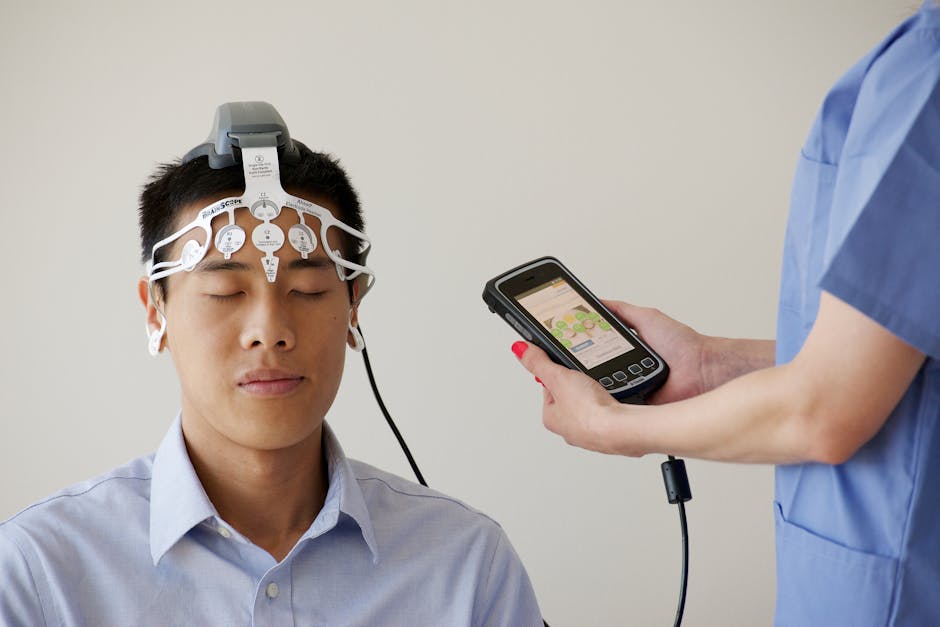
Chinese scientists say they’ve built the world’s smallest wearable brain monitor: a one-gram device that can track thousands of neurons at once. The wireless Airscope weighs one gram, or 0.35 ounces, and its developers call it the lightest device of its kind. That matters to researchers because they can now watch a wider range of brain activity in animals moving freely.
Tsinghua University and the Chinese PLA Medical School developed the device together. The team’s findings appeared Monday in the peer-reviewed journal Nature, where other scientists can scrutinize the work.
What the Device Does
Most brain-monitoring tools have historically placed significant demands on the animals wearing them. Heavy hardware and tethering cables restrict movement, which can distort the very behavior researchers aim to study. A lighter, untethered design changes that equation: the animal can move through its environment while the device records neural activity.
The Airscope’s main advance, according to its developers, is its breadth. It captures activity across a large portion of the cortex at once, rather than just a narrow slice. With that wider view, scientists can see how different regions communicate during a single behavior.
Why Researchers Are Paying Attention
Dai Qionghai, the paper’s corresponding author from Tsinghua’s automation department, described the work in terms of precision. “This microscope will push optical brain-computer interfaces towards more precise neural detection,” he said. The comment points to a broader ambition: making brain-computer interfaces more accurate, with potential implications beyond the laboratory.
The stakes go beyond academic prestige. Researchers increasingly discuss neural interfaces in connection with medicine, and patients living with neurological conditions could be among those most likely to depend on future clinical versions. Whether those benefits reach everyone who needs them will depend on decisions about access, cost, and oversight—questions the research itself doesn’t settle.
Oversight and Open Questions
Several things remain unresolved in the available reporting. It doesn’t say when, or whether, the Airscope might move from animal studies toward human use. Nor does it explain how people would store, share, or protect data collected by such devices. Public institutions, ethics boards, and regulators will need to answer those questions as the technology advances.
Scientific progress of this kind often moves faster than the rules written for it. A device that records thousands of neurons across the cortex raises privacy concerns, and those concerns grow sharper as the technology gets closer to people. Careful public oversight, transparent review, and clear limits on the use of neural data can help ensure such advances serve the public, not just the people who build them.
Why This Matters: A one-gram device that tracks thousands of neurons marks a real step forward in how scientists study the living brain. Its developers say the Airscope could make optical brain-computer interfaces more precise. The research appeared in Nature and was led by Tsinghua University and the Chinese PLA Medical School, with Dai Qionghai as corresponding author. Its eventual impact will hinge on choices still ahead: who gets access to these tools, how people protect the neural data they produce, and whether the public gets a meaningful voice in those decisions. From a center-left vantage, powerful neurotechnology needs democratic oversight and clear safeguards from the start—not after the fact.
- airscope
- brain monitor
- tsinghua university
- chinese pla medical school
- neural activity
- brain-computer interfaces
- nature