
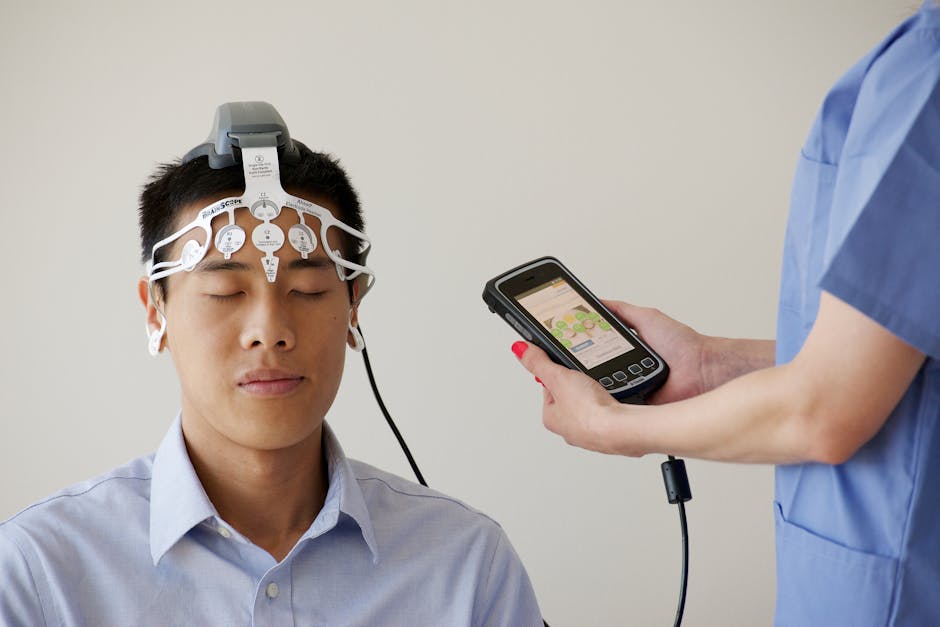
Chinese scientists say they have built the world’s smallest wearable mini brain monitor, a device that tracks thousands of neurons at once. The wireless Airscope weighs just one gram, or 0.35 ounces, and its developers call it the lightest device of its kind. That low weight matters: researchers can observe a wider range of brain activity in laboratory animals that move freely instead of being tethered to equipment.
Tsinghua University and the Chinese PLA Medical School developed the device together. Their study appeared in the peer-reviewed journal Nature on Monday. For a field long reliant on bulky hardware and cables, such a light device marks a meaningful step. It’s the work of researchers at Chinese universities and military medical institutions.
The Technology
The Airscope’s main claim is its reach. Many earlier tools restricted scientists to small patches of cortex; this one is described as providing a cortex-wide view. Untethered animals can follow their normal routines as the device records, so researchers aren’t forced to study brains under the artificial constraints of a restraining setup. That’s a practical advantage companies and research labs alike will notice: cheaper, more capable instruments tend to spread quickly once they prove reliable.
Dai Qionghai, the paper’s corresponding author from Tsinghua’s automation department, led the work. His assessment is direct. “This microscope will push optical brain-computer interfaces towards more precise neural detection,” Dai said. The focus on precision is worth dwelling on. Better measurement tends to come from focused engineering and competition among research teams, not sweeping mandates. This project reflects that pattern of specialized work pushing a field forward.
Implications for Research and Industry
Brain-computer interfaces bring neuroscience, medicine and commercial technology together. A tool that captures neural activity more precisely without heavy hardware could shorten the route from laboratory experiments to practical applications. Investors and private developers in this space will watch closely, since the economics of these devices depend on whether manufacturers can make them small, affordable and dependable enough for use outside a specialist lab.
The device also has a strategic dimension. A university working with a military medical school signals how closely China’s research base connects to national capabilities. Governments seeking leadership in neurotechnology have every reason to support this kind of work. Those in the West who depend on open markets for innovation should take note of how quickly such tools can advance when resources are concentrated.
Why This Matters:
The Airscope shows how competitive advantage in advanced technology grows through measurable breakthroughs. A one-gram device that tracks thousands of neurons across the cortex is a concrete engineering achievement, and a university partnership produced the work published in one of the world’s most respected journals. For investors, the question is whether this kind of instrument can move from the lab into commercial markets at scale. For policymakers, the development signals that brain-computer interface research is becoming a field where national capacity matters. Whether the Airscope becomes a widely adopted tool or stays a notable prototype, it shows that neurotechnology is advancing quickly. Countries that give research and enterprise room to compete will be best positioned to lead, and the device weighs one gram.
- airscope
- brain monitor
- tsinghua university
- chinese pla medical school
- neural activity
- brain-computer interfaces
- nature