
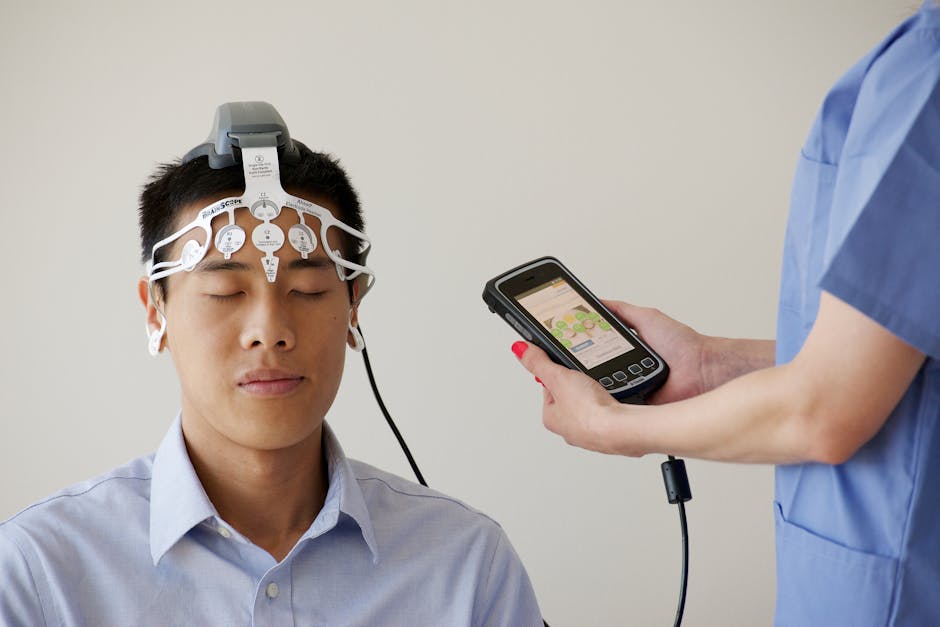
Chinese scientists say they have developed the world’s smallest wearable mini brain monitor: the Airscope, a wireless device weighing one gram (0.35 oz) that can track thousands of neurons at once. The device aims to let researchers monitor a wider range of brain activity in laboratory animals without tethering them.
The device and its stated capabilities
The Airscope weighs one gram, or 0.35 ounces. Its developers call it the lightest device of its kind. The monitor works wirelessly, and the research team says it can record the activity of thousands of neurons simultaneously.
Researchers intend to use it to track brain activity in laboratory animals that aren’t tethered. The account says the device lets researchers observe a wider range of activity in those animals. It doesn’t specify which animals they used, how many experiments they conducted, or how long they monitored them.
The report also doesn’t give the monitor’s dimensions, explain how researchers attach it, or compare its weight with other systems. Its developers describe the Airscope as the world’s smallest and the lightest device of its kind. The article provides no separate measurement or comparison.
Research institutions and publication
Scientists from Tsinghua University and the Chinese PLA Medical School jointly developed the device. Their paper appeared in the peer-reviewed journal Nature on Monday. The account identifies the institutions and publication, but doesn’t describe the research funding or detail the roles each institution played.
Dai Qionghai, the paper’s corresponding author from Tsinghua’s automation department, described the device’s intended significance for brain-computer interface research. “This microscope will push optical brain-computer interfaces towards more precise neural detection,” Dai said.
Dai’s statement connects the monitor with optical brain-computer interfaces and more precise neural detection. The article doesn’t report how much precision has improved, or describe a specific brain-computer interface system tested with the Airscope. It presents the researchers’ claim and Dai’s assessment, without additional performance figures.
What the report establishes
The account describes a small wireless brain monitor, its stated weight, the developers’ claim about its size, and its ability to track thousands of neurons at once. It also says the device lets researchers follow a wider range of brain activity in untethered laboratory animals. Scientists from Tsinghua University and the Chinese PLA Medical School developed the device together, and their work appeared in Nature.
The reported work concerns a scientific monitoring device. The article gives no information about population effects, public policy, migration, sovereignty, or cultural change, and it identifies no political or popular response. Its claims focus on the Airscope’s reported weight and research purpose, while Dai’s comment points to potential use in more precise neural detection. The account offers no further technical specifications or measured results.
- airscope
- brain monitor
- tsinghua university
- chinese pla medical school
- neural activity
- brain-computer interfaces
- nature