
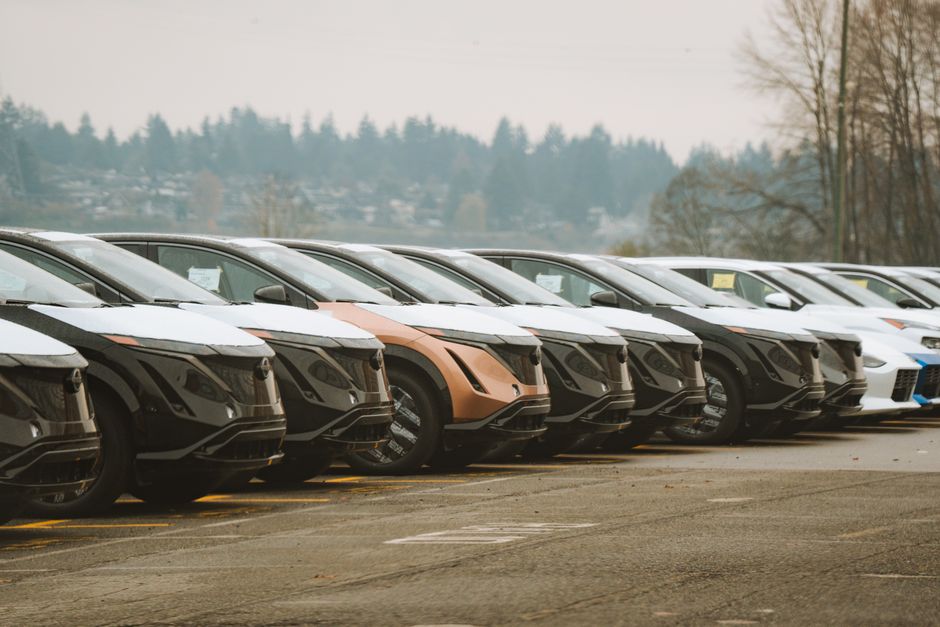
Chinese electric car sales in Europe hit a record high in the first five months of this year, with Chinese brands taking 14.2% of western European electric car sales, or one in every seven battery electric vehicles. The 171,800 sales marked a rise of nearly five percentage points in market share compared with the same period in 2025. Brussels calls it competition. The market calls it pressure. Ordinary buyers get the bill either way.
Brussels Builds the Wall, Markets Pick the Winners
The increase comes as brands including BYD, Chery, SAIC and Xpeng target Europe for exports while the Chinese industry seeks to dominate the global electric vehicle market. That push has put traditional European manufacturers under intense pressure as tougher emissions rules force them to increase their own battery electric vehicle sales. The same institutions that preach climate discipline also tighten the screws on workers and consumers, turning emissions rules into another arena where corporate giants fight for state-backed advantage.
The figures also come against claims that Chinese carmakers are "dumping" state-subsidised vehicles in the EU and UK to gain market share, which is adding momentum to calls for quotas and higher tariffs to protect European manufacturers. The language is familiar. Subsidies are fine when they come from a European treasury, but suddenly become a scandal when they arrive from elsewhere. The border regime for goods is just as political as the border regime for people.
Tariffs, Subsidies, and the State's Favourite Game
The increase in sales comes despite EU tariffs of up to 35.3% for electric cars made by some Chinese manufacturers, on top of the standard 10% import duty. The UK is the largest European market for Chinese cars because the government has declined to follow the EU’s lead in imposing extra levies. The UK accounted for a quarter of Chinese BEV sales across the 18 biggest western European markets. Different capitals, same instinct: manage the market from above, then pretend the result is neutral.
Italy accounted for a fifth of the total, but Matthias Schmidt, the founder of Schmidt Automotive Research, called that an "anomaly." He said one manufacturer, Leapmotor, sent thousands of its cheap T03 electric cars into the country to take advantage of purchase subsidies from the government. The subsidies meant the T03 was as cheap as €5,000 at one point, far below even the most keenly priced models sold by rivals. State money moves the market. Then the same state acts shocked when the market behaves like a subsidy hunt.
Chinese manufacturers have sold more than 120 different models in Europe this year, compared with about 100 from European brands. Schmidt said China’s share of the BEV market may have peaked, in part because manufacturers have shifted some of their focus to plug-in hybrid electric vehicles, or PHEVs, which combine a polluting petrol engine with a smaller battery and are not yet subject to EU tariffs. He said, "I think they are hitting a wall when it comes to pure electric models." He added, "They will prioritise PHEVs over the next 12 months given hybrids are omitted from extra tariffs placed on BEVs only. With that loophole set to close in the next 12 months, they will aim to maximise that gap in the door for as long as possible. Given shipping capacity remains limited, more PHEVs means fewer BEVs, which have likely peaked for now. BEVs will take priority again once local EU production comes online."
The Loophole Economy
Oliver Blume, the chief executive of Volkswagen, last month called for that to change, saying European PHEVs were uncompetitive against Chinese equivalents. The German newspaper Handelsblatt has reported that the EU is considering extending the levies to PHEVs. So the machinery of protection keeps moving, one tariff band at a time, while the big manufacturers lobby for the rules that suit them best.
The figures also showed a rebound in Tesla sales across Europe. Tesla sales rose by 60% year-on-year, helped by increased demand for cheaper versions of its Model 3 and Model Y. The Model Y was the bestselling individual model across Europe during the period. Even the supposed champions of the green transition end up in the same race for scale, subsidy, and market share. The badge changes. The logic doesn’t.