
S&P Global Ratings said Thursday that Asia-Pacific semiconductor foundries are better positioned to ride out a possible downturn in AI investment than other tech hardware firms in the region. The report lands in the middle of a familiar setup: hyperscalers pour money into the machine, the suppliers scramble to keep up, and the risks get pushed down the chain to everyone else.
Who Holds the Levers
The rating agency said it stress tested four key Asia-Pacific sectors — foundries, memory manufacturers, cooling component suppliers and original design manufacturers that assemble servers — against two downside scenarios for the AI boom. That’s the language of the apparatus: stress tests, downside cases, managed exposure. The people making the bets sit far from the factory floor, while the consequences get measured in reports.
The first scenario involved a drop in capital expenditure from major hyperscalers like Amazon and Microsoft. Those names matter because they sit at the top of the spending pyramid. When they tighten their wallets, the pressure doesn’t stay with them. It moves through the supply chain, where workers and contractors absorb the shock.
The second scenario stemmed from bottlenecks that could delay AI projects, such as power grid constraints and land scarcity. Even the grand promises of AI run into the old realities of infrastructure and territory. The system wants endless expansion, but it still needs land, power and the compliance of the places it occupies.
Who Gets the Cushion
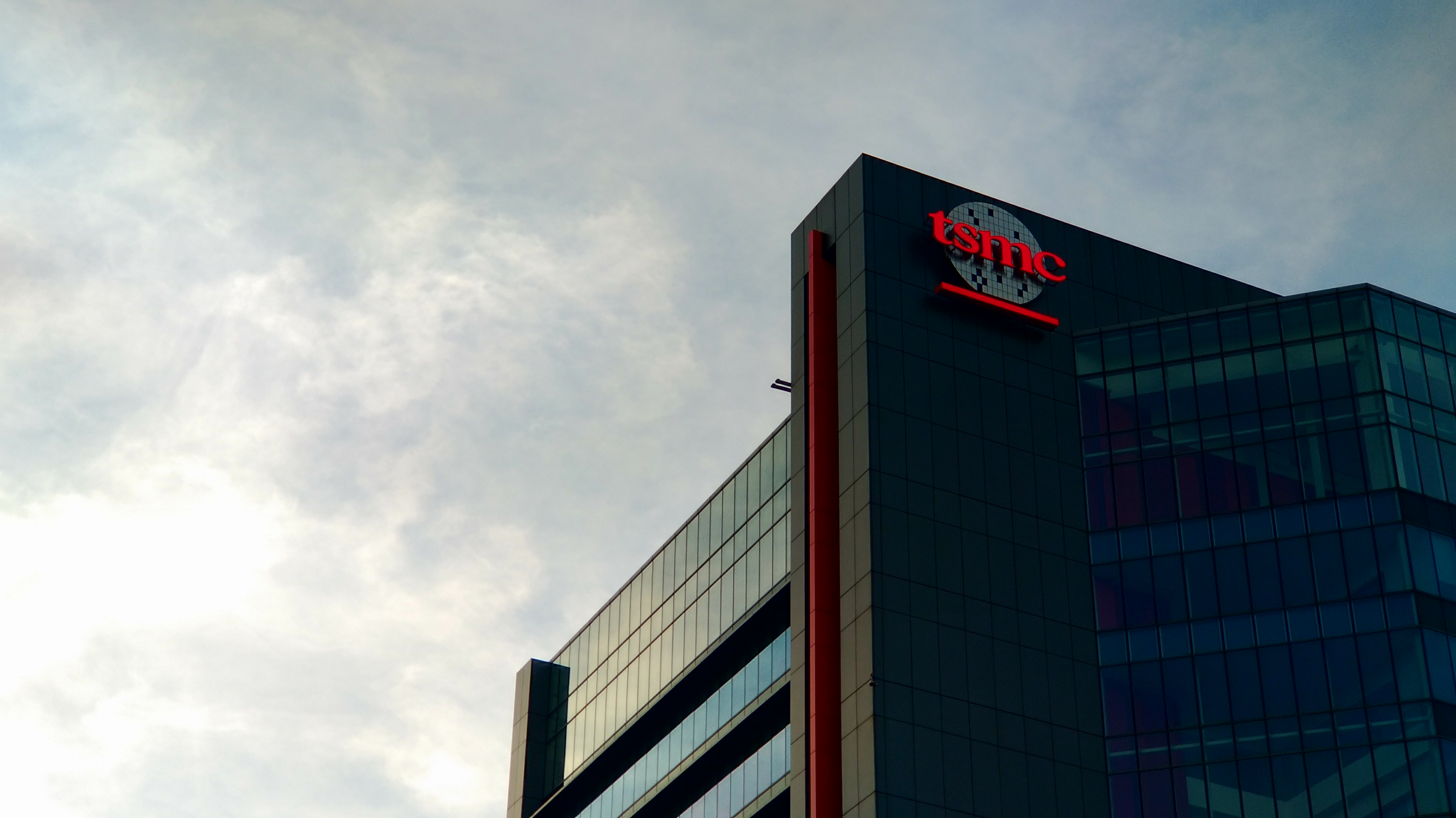
S&P said contract chipmakers like TSMC are well protected against spending contractions by hyperscalers. That protection is the point of the report, and also its quiet admission: some firms sit close enough to the center of capital that they can weather a slowdown better than others. The rest of the region’s tech hardware sector doesn’t get the same insulation.
The report compared foundries with memory manufacturers, cooling component suppliers and original design manufacturers that assemble servers. All four sectors depend on the AI buildout, but not equally. In a hierarchy, even vulnerability gets distributed unevenly. Some firms are buffered. Others are left exposed.
S&P Global Ratings published the report on Thursday. It did not say the AI boom is over. It did say the sector has to be judged against the possibility that the money stops flowing as fast as the bosses want it to. That’s the real story here: a system built on concentrated spending, fragile infrastructure and supply chains that take the hit when the top decides to slow down.
What the Report Actually Shows
The agency’s stress test covered two downside scenarios for the AI boom. One centered on reduced capital expenditure from Amazon and Microsoft. The other centered on bottlenecks like power grid constraints and land scarcity that could delay AI projects. Those are not abstract risks. They’re the limits of a growth machine that keeps demanding more from the same strained ground.
Contract chipmakers like TSMC came out looking relatively shielded, according to S&P. That doesn’t make the structure stable. It just means the shock absorbers are unevenly bolted on. The foundries may be better positioned than their peers, but the whole arrangement still depends on the decisions of a few giant buyers and the physical limits of the places forced to host them.