
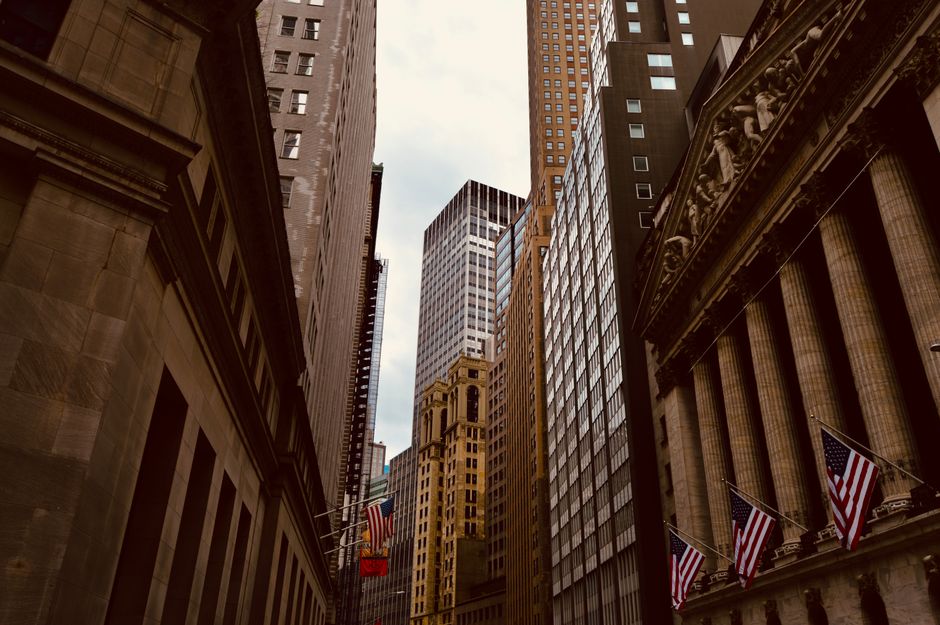
Stocks were set for a higher open Friday after the previous day's rate-driven pullback, while bond yields stayed steady after the Treasury's debt buyback plan flopped. That’s the opening scene: the market’s mood swings, the Treasury’s failed maneuver, and the whole machine resetting itself around the needs of capital while everyone else gets told to watch the numbers.
Who Gets the Financing
Broadcom was in talks to help raise $60 billion in debt for an AI chip financing deal for customers like Anthropic. The move was described as similar to Nvidia's recent announcement with major Wall Street firms to line up $500 billion in financing. That’s not some neutral innovation story. It’s the old hierarchy in fresh clothes: giant firms, giant banks, giant sums, all arranged to keep the AI race fed with borrowed money and concentrated power.
Citigroup joined Morgan Stanley, Goldman Sachs and JPMorgan as the top bankers working on the Anthropic IPO, which was expected this fall. The public gets the spectacle of a coming offering; the bankers get the gatekeeping role. The rest are left to read the ticker and pretend this is participation.
The Bosses of the Supply Chain
Micron was initiated with a buy rating and a $1,300 price target by BMP Capital on a prolonged memory supercycle. CEO Sanjay Mehrotra explained to Jim Cramer on "Mad Money" why the industry was no longer as boom-and-bust as it had been previously. That’s the language of stabilization for investors, not for anyone who has to live under the churn of corporate planning. The cycle gets smoothed out for the people at the top. The workers, suppliers and communities still live with the consequences.
BMO Capital started Nvidia, Broadcom, Advanced Micro Devices and Marvell with buy ratings. Eaton was initiated with a buy rating at Baird and a $500 price target on strong data center demand. During the August Monthly Meeting, the newsletter said it was content with the size of its positions in Eaton and GE Vernova, both of which were crucial to powering AI facilities. The infrastructure of the future, as sold to the public, is a chain of corporate bets, data centers and power systems. The profits are private. The burden is social.
What They Call a Recovery
Walmart saw a round of price target cuts after disappointing earnings Thursday, with only one downgrade from Gordon Haskett. Shares of Walmart were flat after the previous day's 9% decline. Even the retail giant’s stumble gets translated into analyst adjustments and market chatter, as if the problem were merely a chart line instead of the pressure that runs through every aisle, every wage, every supply chain.
Ross Stores shares were up more than 8% after a beat and raise, and comparable sales increased 10%, significantly outperforming TJX. TJX, the article said, didn’t have the right inventory but had taken steps to fix it and had seen improvement in August. BJ's Wholesale shares were up 2.5% after reporting a better-than-expected second quarter with comparable sales, excluding gas, up 3.1%, and the warehouse club also raised its full-year earnings outlook. The market rewards the winners and punishes the laggards, but the whole setup stays the same: competition, extraction, and the constant sorting of who gets to expand and who gets squeezed.
Abbott Laboratories had agreed to pay $670 million to resolve some of the litigation surrounding its preterm infant formula, helping remove an overhang in the stock that had cast a shadow for years. Abbott said the settlements were not an admission of liability and stood by the products. That’s the familiar corporate ritual: pay to clear the books, deny responsibility, keep the product line intact. The legal system closes the file, and the people affected are left with a settlement and a statement.
The day’s watchlist wasn’t really about “watching” at all. It was about tracking how capital moves, how banks assemble financing, how corporations absorb scandal, and how the market keeps rewarding the same institutions that shape the terms everyone else has to live under.