
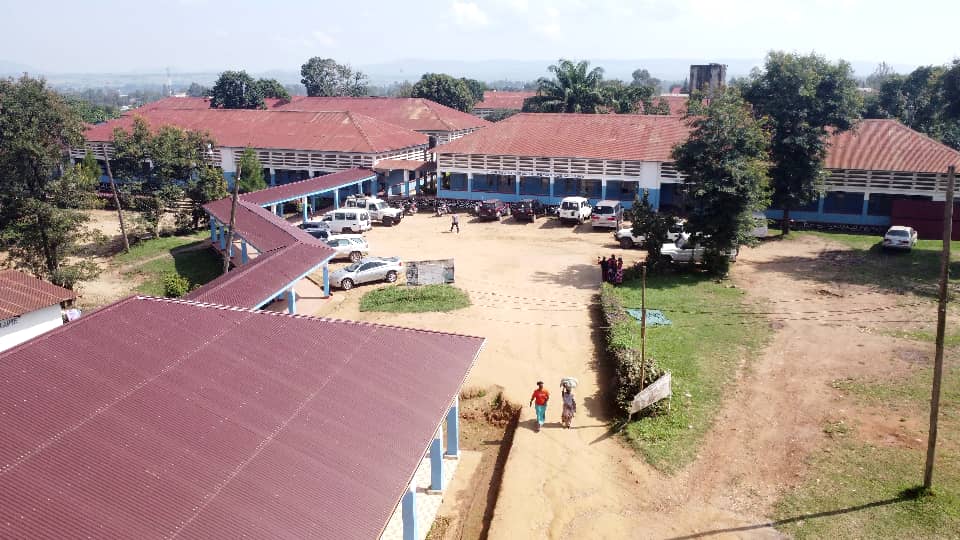
Health workers at Bunia General Hospital, the largest medical center in Congo’s Ebola epicenter, went on strike yesterday. They barricaded the hospital entrance, demanding payment for their work under difficult conditions. This action comes as the number of confirmed Ebola cases in the region has surged to 2,011, with 754 deaths, marking what authorities call the fastest-growing outbreak on record.
Labor's Stand
Dozens of healthcare workers at an Ebola virus treatment center in Rwampara, another hard-hit city in Ituri province, initiated a similar strike 3 days ago. Their protest centered on unpaid salaries and bonuses. These workers agreed to resume their critical duties only after the government promised payment within 72 hours. Some told The Associated Press they haven't received any wages since they started work at the onset of the outbreak this year. The World Health Organization reports that more than 100 healthcare workers have been infected since the crisis began.
Capital's Contradictions
The outbreak, caused by the rare Bundibugyo virus, continues to spread faster than health officials can track, despite an expanding response. At least 80% of new cases emerge from unknown chains of transmission, the WHO stated 2 days ago. Health authorities have yet to identify the outbreak’s patient zero. The systemic failure to contain the virus is compounded by displacement from armed conflict and mining-related movements, which make it nearly impossible to trace thousands who have come into contact with infected individuals. This constant movement of labor, often driven by the demands of resource extraction, directly undermines public health efforts. Response efforts are further hampered by a critical funding gap, alongside attacks on health centers, ongoing conflict in eastern Congo, and deep mistrust among local communities.
The State's Failure
Unlike the more common Zaire virus, for which a vaccine exists, there are no approved vaccines or treatments for the Bundibugyo virus. Enrollment in a highly anticipated study of two possible Ebola treatments has only recently begun in Ituri. Dr. Chikwe Ihekweazu, the WHO emergencies chief, observed 2 days ago that many newly reported deaths are of people who died in their communities, never reaching a health facility or receiving care. The government's inability to ensure basic payment for its front-line health workers, coupled with a persistent funding gap, reveals a state apparatus that prioritizes other interests over the lives of its working population. This systematic underpayment of essential labor, even in the face of a deadly epidemic, exposes the inherent contradictions of a system that extracts wealth while neglecting the collective well-being.