
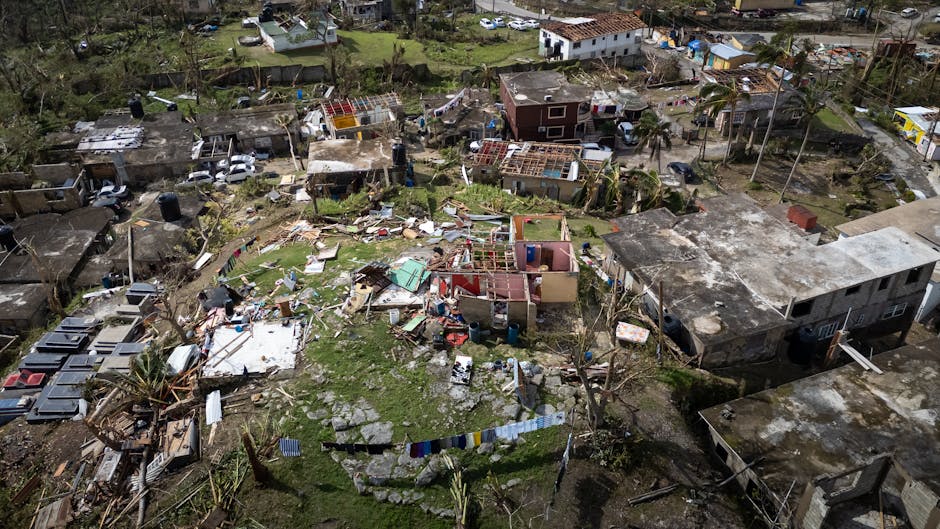
More than 800,000 customers lost power along the U.S. Gulf Coast after Hurricane Isaias made landfall in Florida. At the same time, climate leaders met in Fiji to prepare for COP31. Thousands of delegates gathered, while dozens of leaders and dignitaries saw sea-level rise up close.
Climate Costs in View
The Fiji meeting came weeks before COP31, scheduled for November in Antalya, Turkey. Delegates worked to shape discussion at the global summit, as debate centered on whether leaders would press for stronger outcomes there.
The source offers no details on proposed measures, negotiated commitments, or which governments backed particular outcomes. It doesn't report whether delegates reached agreement in Fiji. The immediate question was whether leaders would push for stronger results in Antalya.
Dozens of leaders and dignitaries witnessed the impacts of sea-level rise during the Fiji gathering. The report links those impacts to global warming, but gives no figures for affected communities, damage, or costs borne by residents. It also doesn't describe workers or local organizers taking part in the meeting.
Thousands of delegates attended. The report doesn't identify their organizations or explain how their positions differed from those of the leaders and dignitaries present. It names no unions, labor groups, climate movements, or strike actions, and includes no statements from workers or organizers.
Power Outages and Storm Damage
Hurricane Isaias left more than 800,000 customers without power along the Gulf Coast after it made landfall in Florida. The source gives no landfall date, details on how long outages lasted, or information about the financial cost of restoring electricity.
El Niño made the Atlantic storm season unusually quiet, the report says. But climate change can still make individual storms more destructive. It doesn't link Isaias’s landfall or the power outages to climate change, and gives no figures for hurricane damage.
No company, utility, government agency, or executive appears in connection with the outages. The report provides no information about profits, compensation, or ownership, and doesn't say whether customers received assistance. It includes no comments from affected customers or utility workers, either.
Regional Hazards, Limited Detail
The report says toxic haze from forest fires in Indonesia engulfed Southeast Asia that year. It says people discussed the haze’s intensity and governments tried to set aside differences to address the problem.
No figures for the fires or haze appear in the report, which also offers no account of effects on residents or workers and no details on the governments’ response. It specifies no proposed reforms, enforcement measures, or outcomes. So the account records a regional hazard and diplomatic efforts, but not who bore the costs or what action followed.
Across the Fiji meeting, the hurricane, and the Indonesian fires, the report gives no estimates of profits or losses, no labor impacts, and no organized response by workers. Its central account is the pre-summit debate: delegates prepared discussions, leaders saw sea-level rise, and the question of stronger COP31 outcomes remained open.