
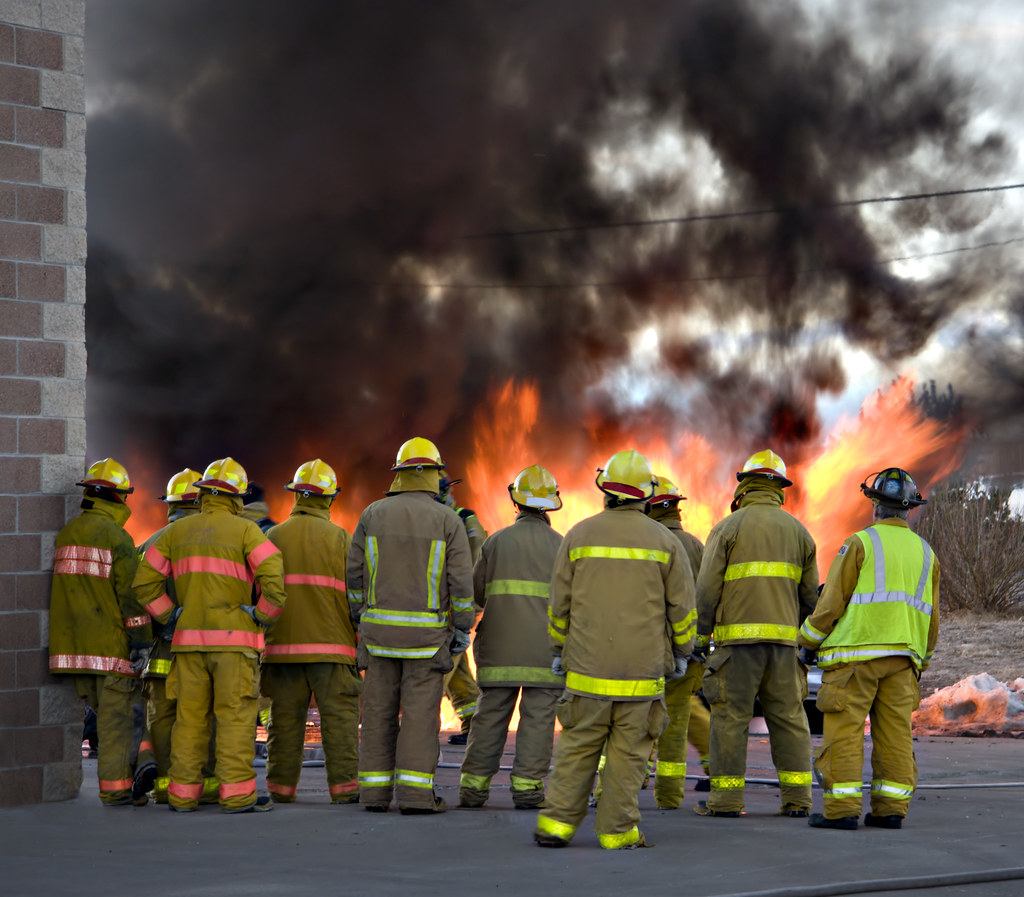
Gerald Hoekstra, 46, and Ede Taric, 50, died in a racing fire in north-west Victoria in 2022, a tragedy that Coroner Ingrid Giles now states could have been prevented by basic safety measures. The two men survived the initial crash but perished when fire "rapidly engulfed" their vehicle. Their deaths highlight how inadequate regulations and delayed implementation of safeguards place participants at unnecessary risk within a system prioritizing other concerns.
On September 4, 2022, Mr. Hoekstra lost control of their modified Can-Am Maverick X3 side-by-side buggy during the Desert Enduro Race at Rainbow, 400 kilometers north-west of Melbourne. The vehicle crashed into a tree, rolled onto its side, and was immediately engulfed in flames. Two competitor teams stopped to assist, attempting to douse the fire with hand-held extinguishers, but their efforts proved futile. Both men died at the scene, unable to escape the inferno.
The Cost of Neglect
Coroner Giles' investigation revealed critical structural deficiencies in the vehicle's safety provisions and the event's emergency response. The modified buggy, capable of speeds up to 130km/h, had been fitted with two auxiliary 35-litre fuel tanks. Despite being inspected and deemed compliant with Motorsport Australia (MSA) requirements the Friday before the race, the vehicle's design contained fatal flaws. Victoria Police arson chemist John Kelleher concluded the fire was likely caused by the buggy's catalytic converter igniting fuel spilled from a damaged tank. He stated, "Having seen the buggy and watched the video footage of the fire starting, there is no doubt that the cause of the fire was the ignition of petrol vapour rising from the spilled fuel puddling beneath the filler."
Ms. Giles found that while the fuel tanks were installed correctly and compliant at the time, their plastic fuel cap and filler neck protruded from the buggy's safety cage, making them "vulnerable to damage." Upon collision, the cap detached from one tank's filler neck, which crucially lacked a reflux valve. This allowed petrol to flow freely and combust easily. The coroner asserted, "I consider that, had a reflux valve been present, the fire would have most likely been prevented, in that the fuel would not have spilled freely from the tank." The fire could not be extinguished until the local Country Fire Authority arrived 12 to 13 minutes later, underscoring the inadequacy of on-site equipment.
Delayed Safeguards
Existing MSA regulations at the time mandated only hand-held fire extinguishers, which Ms. Giles deemed "inadequate" for such a rapidly spreading fire. She noted that a plumbed-in fire extinguisher system, designed to provide immediate response and increase extrication time, would have been more effective. Furthermore, while MSA required vehicles to allow occupants to exit within 10 seconds, this was not formally assessed or tested, leaving competitors without a crucial safeguard.
Motorsport Australia has since implemented changes, mandating reflux valves in fuel tanks, banning protruding structures, and doubling the required capacity for hand-held extinguishers. These reactive measures came only after the deaths of Mr. Hoekstra and Mr. Taric, on the eve of the fourth anniversary of the incident. However, Ms. Giles criticized MSA's extended three-year rollout period for mandatory plumbed-in fire extinguisher systems. She warned, "The lives of off-road racing competitors who do not already have such a system remain at greater risk in the event of a fire – and, in my view, unnecessarily so." This delay in implementing known safety improvements exposes a systemic prioritization of logistical convenience or cost-management over the immediate protection of human life.
The State's Limited Role
The coroner recommended that Motorsport Australia and the Australian Auto-Sport Alliance require all off-road vehicles in sanctioned events to be fitted with plumbed-in systems before the end of the 2026 racing season. She also called for mandatory testing to ensure all occupants can self-extricate within 10 seconds and for improved guidance on "appropriate firefighting equipment" at event paddock areas. These recommendations, while necessary, function as an attempt to patch structural deficiencies after they have already claimed lives, rather than a proactive enforcement of participant safety. The state, through its coronial inquiry, identifies the failures, but the responsibility for implementing and enforcing immediate, life-saving changes rests with the very organizations whose prior standards proved insufficient.