
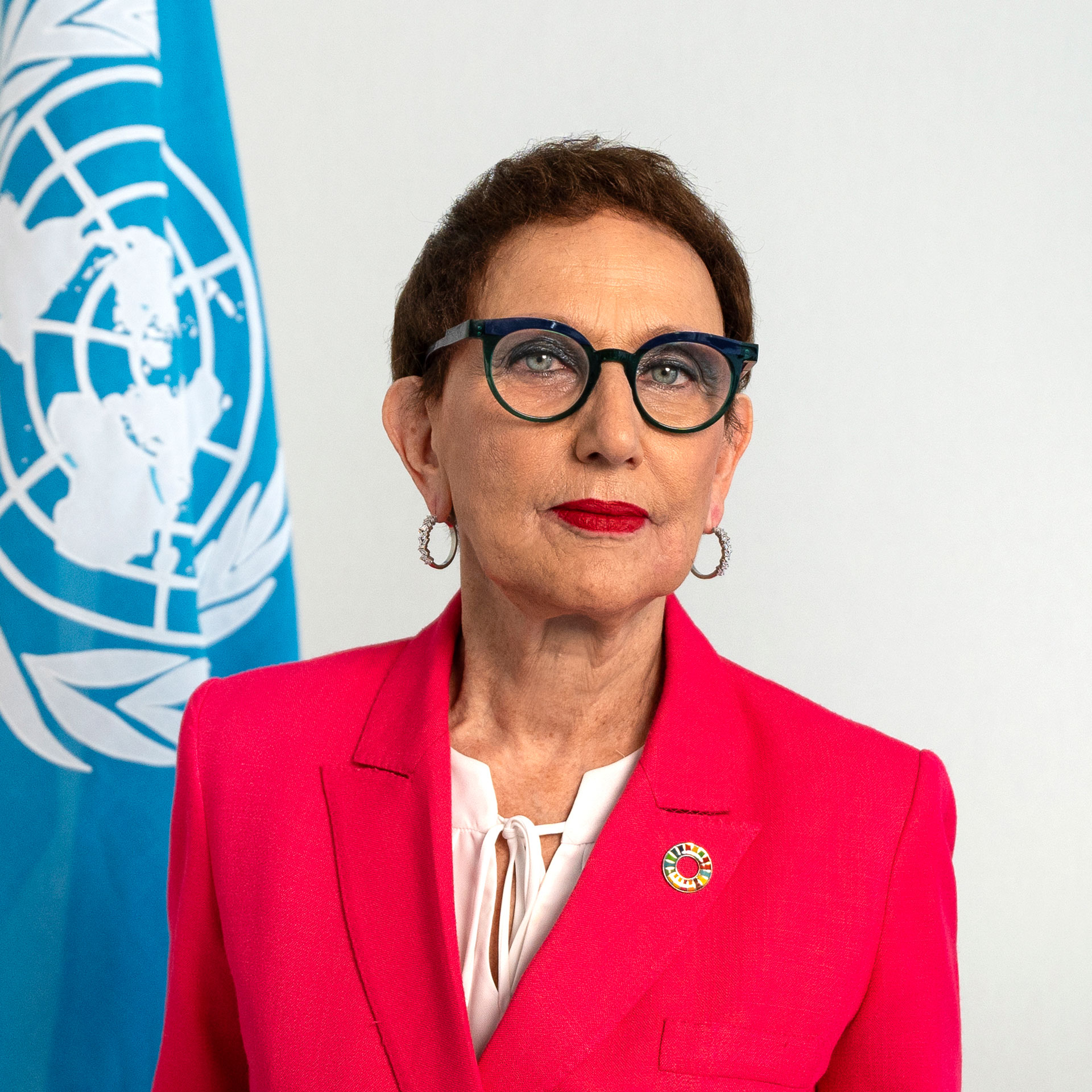
With fewer than three months left in António Guterres’ term, the Security Council still can’t agree on his successor. A new candidate entered the race this week. Lana Nusseibeh, a 48-year-old UAE minister of state and former ambassador to the UN, announced her candidacy Wednesday, October 21. Her entry gives Costa Rica’s Rebeca Grynspan another rival as the council struggles to choose a successor before Guterres leaves on December 31.
Nusseibeh said several countries encouraged her to run during recent UN General Assembly meetings. She has taken leave from her government post to pursue the job. She wants a United Nations that takes a more active role in resolving international conflicts, rather than simply responding to them. No Security Council member has publicly backed her, and no voting results for her candidacy have been reported.
A Crowded Field, No Consensus
Grynspan, a former Costa Rican vice president, still leads the informal voting. The margin, though, is fragile. In the October 16 straw poll, she drew nine votes in favor, five against and one expressing no opinion. Two opposing votes came from permanent Security Council members, though their countries weren’t officially identified.
Her closest competitors, Argentina’s Rafael Grossi and Guyana’s Carolyn Rodrigues-Birkett, each received eight supporting votes. None of the candidates has secured the agreement needed to move forward.
The rules give outsized power to a handful of governments. A successful candidate needs at least nine votes from the 15-member council, with no opposition from any of its five permanent members: the United States, China, Russia, France and the United Kingdom. Each can block a candidate. The October 16 ballots weren’t actual vetoes, since the vote was informal, but they signaled resistance from two powerful capitals. The council was weighing whether to hold another informal vote Friday or postpone it as negotiations continued. No date for the next round has been confirmed.
Gender and Regional Claims Collide
Nusseibeh’s entry sharpens a tension that’s been building. Latin American countries argue their region should provide the next secretary-general. At the same time, a growing push calls for a woman to lead the organization for the first time. Nusseibeh would answer that call but represent the Middle East rather than Latin America. Grynspan would satisfy both. If selected, she’d become the first Costa Rican and the first woman to lead the United Nations.
Nusseibeh brings direct Security Council experience. She served as her country’s ambassador to the UN from 2013 until 2024, and helped negotiate a resolution in December 2023 intended to increase humanitarian aid entering Gaza.
Backing Grynspan
Costa Rica’s government is stepping up. President Laura Fernández met with Grynspan at Casa Presidencial on Monday, reaffirmed the government’s support and announced plans to contact other Latin American leaders to seek additional backing. Grynspan said her campaign remained active despite the opposition revealed last week. She stressed that the Security Council hadn’t held a formal vote and that countries could still change their positions.
A Costa Rican economist who previously headed the UN Conference on Trade and Development, Grynspan has proposed changes to make the organization more efficient, reduce overlapping responsibilities and strengthen its ability to respond to international crises. She served as Costa Rica’s vice president from 1994 to 1998 and has spent much of her career since in international diplomacy.
The General Assembly must formally appoint the new secretary-general once the Security Council agrees on a candidate. The successor is expected to take over January 1, 2027. For now, Grynspan holds the most support recorded in the latest informal vote, and Nusseibeh’s entry gives governments one more option to weigh.
Why This Matters:
The secretary-general leads an institution that coordinates humanitarian aid, mediates conflicts and anchors multilateral cooperation. A leadership vacuum, or a prolonged standoff, lands hardest on the people who depend on that work. The process also exposes a structural problem: five governments hold a veto over a post meant to serve the whole membership, while the broader General Assembly only ratifies the outcome. The push for a first woman in the job and for rotation among regions reflects long-standing demands for a more representative UN. How the council resolves this deadlock, and whether it listens to those demands, will say a lot about whether the organization can hold itself to the standards of fairness and accountability it asks of others.
- un secretary-general
- lana nusseibeh
- rebeca grynspan
- un security council
- un leadership race
- costa rica
- united arab emirates