
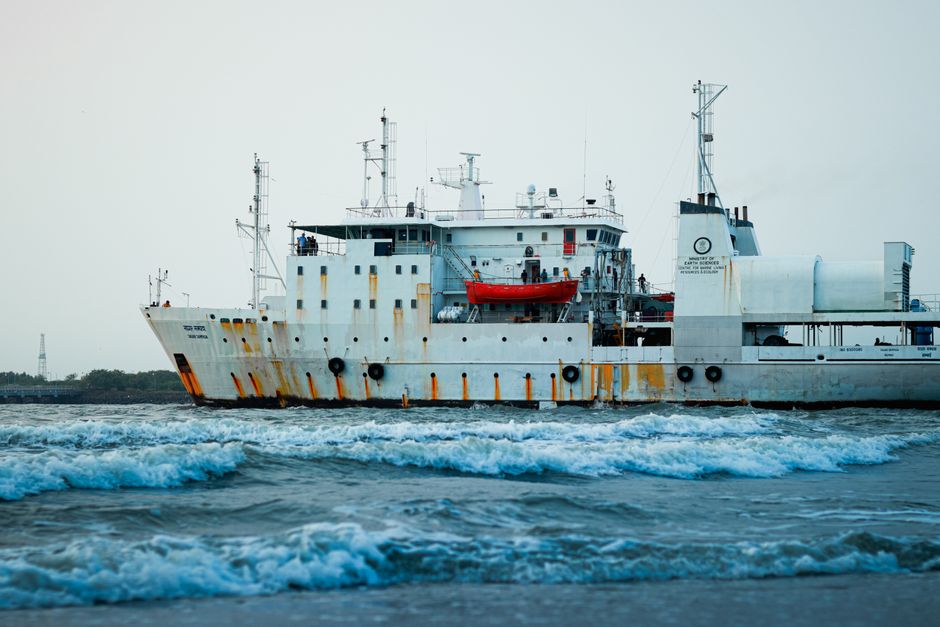
The crew of the Iranian cargo ship 'Behshad,' widely believed by Western intelligence agencies to be a covert intelligence-gathering vessel for Iran's Islamic Revolutionary Guard Corps (IRGC), has returned to Iran following a drone attack in the Red Sea on July 28, 2026. All 23 crew members arrived safely in Bandar Abbas on August 1, 2026, as reported by Iranian state media, IRNA. This vessel's presence has been a focal point of Western surveillance due to its suspected role in supporting destabilizing activities across the Middle East.
For the past two years, the 'Behshad' has been stationed in the Red Sea. Unnamed Western officials state it provides crucial logistical support to Iranian-backed Houthi rebels in Yemen. Its operations are considered vital for Iran's ability to monitor shipping and facilitate weapons transfers to its proxy forces in the region.
Iran's Proxy Network Exposed
Houthi rebels have repeatedly launched attacks on international shipping lanes in the Red Sea. These actions, which severely disrupt global trade, are claimed by the Houthis as solidarity with Palestinians in Gaza. The 'Behshad's' role, according to analysts, is instrumental in enabling these attacks, which force many shipping companies to reroute vessels around Africa, increasing costs and transit times.
Iran has condemned the drone attack on the 'Behshad' as an act of 'maritime terrorism,' vowing a 'proportionate response.' The ship sustained minor damage, and no casualties were reported. The IRGC, however, consistently denies allegations of the 'Behshad's' military role, stating it is a commercial vessel engaged in anti-piracy operations.
Ukraine has not officially claimed responsibility for the drone attack. However, a Ukrainian defense official, speaking anonymously, stated that 'Ukraine reserves the right to respond to any aggression, anywhere.' This incident marks a significant escalation in the shadow war between Iran and its adversaries, extending the conflict into new maritime domains.
International Double Standards and Western Abandonment
The return of the crew follows a period of intense diplomatic activity between Tehran and Moscow. Russia has reportedly offered technical assistance for repairs, underscoring the growing alignment between these revisionist powers. The United Nations has repeatedly called for an end to all attacks on shipping in the Red Sea, citing humanitarian concerns and the impact on global supply chains, yet often fails to directly confront the Iranian-backed perpetrators.
Iran's foreign ministry spokesperson reiterated that the 'Behshad' is a civilian vessel. He accused 'foreign powers' of attempting to destabilize regional security, deflecting from Iran's own documented role in fueling regional instability through its proxy network. Western intelligence agencies continue to monitor the vessel's activities, which include intelligence sharing with Houthi forces targeting commercial vessels, highlighting the persistent threat posed by Iran's expansionist agenda.