
Cuba's state-run electrical grid suffered a partial collapse on May 14, 2026, as the island nation ran out of diesel fuel and oil, triggering widespread protests across Havana amid severe power cuts that marked the city's worst energy-related unrest, according to grid operator UNE and Reuters reports.
The demonstrations erupted on May 13 and continued through May 14 as residents confronted prolonged blackouts, with the grid failure compounding an already dire situation created by fuel shortages. The country's energy minister confirmed that Cuba has completely exhausted its diesel fuel and oil supplies, a development that has deepened the crisis affecting the island's infrastructure and daily life.
The Fuel Crisis
Cuba's fuel depletion occurs amid what officials describe as a US oil blockade, which the government cites as a contributing factor to the shortages. Reuters reported that the country has run out of both diesel fuel and oil, creating a supply crisis that has cascated through the economy and infrastructure. The fuel shortage has directly contributed to the electrical grid's instability, as the island relies heavily on oil-fired power generation.
The grid operator UNE reported that the electrical system suffered a partial collapse early on May 14, adding a new dimension to the crisis. The failure underscored what Reuters characterized as an intertwined crisis, in which fuel shortages and a failing electrical system fed each other, creating a compounding effect that intensified public frustration.
Street Unrest
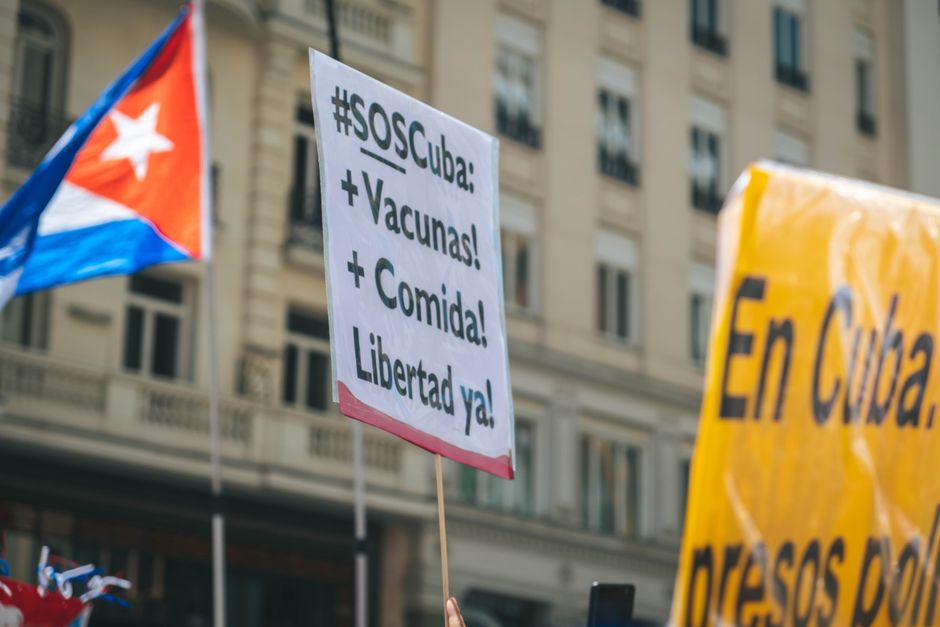
Protests flared across Havana on May 13 and May 14 as residents faced severe power cuts that disrupted daily life and commerce. Reuters described the unrest as the city's worst energy-related demonstrations, reflecting mounting public anger over the deteriorating infrastructure and persistent blackouts. The protests came as the electrical grid failure added to the disruption, leaving large portions of the capital without reliable power.
The demonstrations highlight the direct connection between infrastructure failures and social stability, as the inability to maintain basic services like electricity has driven citizens into the streets. The simultaneous occurrence of fuel depletion, grid collapse, and public protests illustrates the cascading nature of the crisis facing the island nation.
Infrastructure Breakdown
The partial collapse of Cuba's electrical grid on May 14 represents a critical failure of state-run infrastructure that has struggled to maintain reliable service. The grid operator UNE's acknowledgment of the collapse confirms the severity of the situation, as the system proved unable to sustain operations amid fuel shortages. The intertwined nature of the fuel and electrical crises has created a feedback loop, with each problem exacerbating the other and contributing to the public unrest that erupted across the capital.
Why This Matters:
Cuba's simultaneous fuel depletion and grid collapse demonstrates the vulnerability of centrally planned energy systems that lack market mechanisms for resource allocation and infrastructure investment. The crisis reveals how state-controlled utilities, operating without competitive pressures or private capital investment, can fail catastrophically when supply chains break down. The protests underscore a fundamental reality: governments that monopolize critical infrastructure bear direct responsibility when those systems fail, and citizens hold them accountable. The intertwined nature of the fuel shortage and grid failure illustrates how government-run systems can create cascading crises, as one failure triggers others throughout an economy lacking the resilience that diversified, market-based energy systems typically provide. The unrest also highlights the social costs of infrastructure neglect and the limits of state capacity to maintain basic services without economic reform or external energy partnerships.