
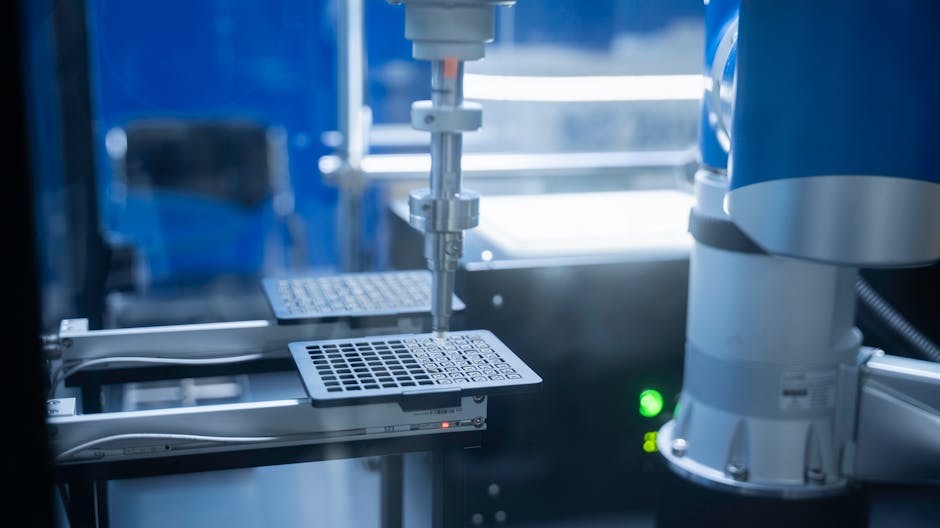
An Australian laboratory is demonstrating technology designed to help older adults maintain independence by simplifying everyday tasks and reducing the need for costly institutional care. The focus on market-driven innovation reflects a practical approach to aging demographics—one that emphasizes individual autonomy over government-dependent solutions.
As populations age worldwide, the cost of elder care strains public budgets and private finances alike. Technology that enables seniors to remain in their homes longer addresses both the human dignity of independence and the economic reality of unsustainable care infrastructure. Rather than expanding government programs, this approach harnesses private innovation to solve a genuine challenge.
Market-Driven Solutions for an Aging Population
The lab showcases a range of technologies designed to assist with daily tasks. Getting older can make living independently more challenging, the feature notes, but cutting-edge tools are changing that equation. By enabling older adults to stay in their own homes longer, these innovations reduce pressure on institutional care systems and preserve individual choice—core principles of a sustainable approach to aging.
The technology addresses real barriers to independence. From mobility assistance to task automation, these tools reflect how private enterprise can respond to demographic shifts more nimbly than government bureaucracies. When seniors can manage their own lives with technological support rather than institutional oversight, both personal freedom and fiscal responsibility improve.
Why Innovation Matters More Than Expansion
The AP video feature, published Aug. 9, 2026, presents this development in the context of health and technology coverage, with connections to artificial intelligence applications. The framing is significant: rather than proposing new government programs or expanded entitlements, the focus remains on what individuals and private enterprise can accomplish.
This approach stands in sharp contrast to policy debates that default to government solutions. When technology enables independence, it reduces dependence on public systems. Seniors who can manage their homes with smart devices need fewer government services. Their families face lower out-of-pocket care costs. The entire system becomes more sustainable.
The Australian lab's work demonstrates that aging doesn't require choosing between dignity and fiscal responsibility. Innovation makes both possible. As demographic pressures mount globally, this model offers a template: invest in tools that preserve individual autonomy rather than expand institutions that diminish it.
Why This Matters:
Aging populations present a genuine fiscal challenge. Government-funded elder care systems face mounting costs as life expectancy increases and birth rates decline. Technology that enables seniors to live independently at home addresses this crisis through market mechanisms rather than tax increases or program expansion. When older adults can manage daily tasks with technological assistance, they reduce demand on public services, lower family caregiving burdens, and maintain the dignity of self-sufficiency. The Australian lab's work exemplifies how private innovation can solve public problems more efficiently than government intervention—a principle that applies far beyond elder care. As nations confront demographic shifts, the choice between expanding institutions and enabling independence through technology will define fiscal sustainability for decades.