
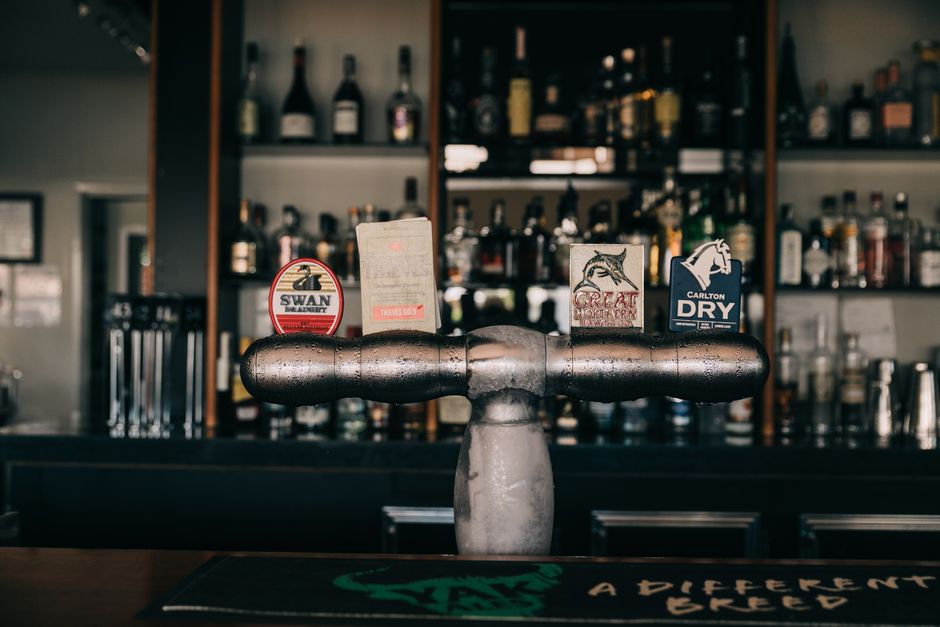
Australia's beer prices have climbed to among the world's highest in 2026, driven by a tax indexation system that's increased alcohol excise every six months for more than four decades. The question now: would scrapping the beer tax for five years revive the country's struggling pub culture and night-time economy, or would it simply blow a hole in government revenue without delivering the promised benefits?
Beer prices aren't just affected by excise. The GST, wages, and transport costs all play a role. But the excise has been a major driver, making beer in Australia some of the most expensive globally. The cost is grinding pub culture and live music venues into dust because it's too expensive for people to go out for a drink regularly.
The Keating Legacy
The federal excise system was fundamentally changed in the 1983-84 federal budget by the Hawke Labor government 43 years ago. Then-treasurer Paul Keating introduced six-monthly indexation for all excise rates except crude oil and LPG so Commonwealth excise revenue would keep pace with inflation. Keating said the new program of biannual indexation would help maintain the "real" value of the government's excise revenue. "In the past, discretionary increases in these specific excise rates have not been sufficiently frequent or, in aggregate, large enough to counteract the eroding effects of inflation," he said. "Real rates of excise have consequently tended to fall."
Keating also noted that between 1973-74 and 1982-83, revenue from the traditional excises, measured in constant 1982-83 dollars, fell from $4.3 billion to $3.3 billion. "These traditional excises will [now] rise gradually in line with inflation and as wages and other incomes themselves increase," he added.
The six-monthly indexation program has remained in place ever since. It's contributed to Australia having some of the most expensive beer in the world, and the brewing and alcohol industries have complained about the beer tax for years, as have members of the Opposition and the crossbench.
The Tax Burden
Nationals MP Kevin Hogan said two years ago, "Just under half of what a mid-strength beer costs you is a tax and 60 per cent of a full-strength beer is a tax." Politicians sometimes forget about the regular system of indexation and accuse the government of sneakily raising beer taxes, only to be reminded that it happens twice a year automatically.
Regular CPI indexation also applies to local council rates, toll roads, water access charges, education fees and subsidised medicines, helping push inflation higher in a feedback loop. Australians are currently enduring stubbornly high inflation, record-low productivity growth, real wage declines and deteriorating economic growth per person. Workers who rely on wage or salary income and who rent are trying to survive a period of record-low rental affordability.
The Experiment
Some commentators blame the Albanese government for Australia's economic problems, including the price of beer, but the picture is more complex and some issues have been decades in the making. A graph circulating online shows beer prices in Australia have skyrocketed compared with other countries in recent decades.
The proposal: abolish the excise on beer for five years and see what happens to Australia's pub culture and night-time economy. Would pubs and live music thrive? Would the cultural and economic benefits of such an experiment outweigh the government's lost excise revenue? Many Australians could look at a satirical cartoon from 1894 and feel little has changed in 132 years. The question remains whether continuing six-monthly increases would leave no pubs left.
Why This Matters:
This debate cuts to the heart of how governments fund themselves and whether automatic tax indexation has become a barrier to economic vitality. The excise system locks in revenue growth for Canberra, but it also locks Australian consumers into prices that make socializing prohibitively expensive. For a center-right perspective, the question isn't whether government needs revenue—it does—but whether this particular revenue stream justifies the economic and cultural damage it's causing. Pubs and live music venues employ thousands, anchor communities, and support entire supply chains. If automatic tax increases are strangling these businesses, the government may be killing the goose that lays golden eggs. A temporary suspension would test whether lower taxes genuinely spur economic activity and job creation, or whether other factors dominate. Either way, Australians deserve to know whether their tax system serves the economy or strangles it.