
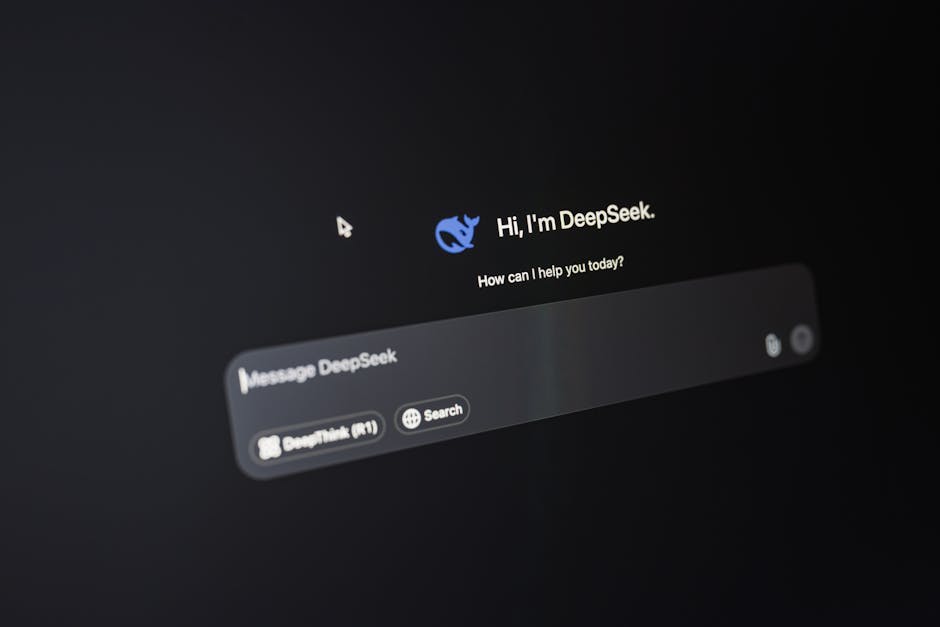
Chinese AI startup DeepSeek announced Thursday it will raise API pricing for its V4 models, marking the latest move by a major artificial intelligence company to increase costs for developers and businesses relying on its technology.
The price increase, announced on August 13, 2026, comes as the AI sector consolidates around a handful of dominant players. DeepSeek's decision to raise rates signals how quickly market power is concentrating among companies that have successfully scaled their models—a pattern that raises questions about access and affordability as AI becomes central to business operations globally.
The Cost Burden Shifts Downstream
When API providers raise prices, those costs don't stay at the corporate level. They flow downstream to the developers, startups, and small businesses that depend on these services to build applications. A startup using DeepSeek's V4 models for customer service automation or data analysis will face higher operational expenses. Nonprofits and educational institutions with limited budgets face even steeper trade-offs—they may have to reduce AI-powered services or abandon them altogether.
This dynamic reflects a broader pattern in tech markets: early competition and low prices attract widespread adoption, but as a few winners emerge, pricing power shifts to the companies that control the infrastructure. DeepSeek's move suggests the window for affordable, competitive AI access may be narrowing.
Market Concentration in AI
The AI industry has already seen significant consolidation. A small number of companies—including OpenAI, Google, and now Chinese competitors like DeepSeek—control the most advanced models. When those companies raise prices in concert or sequence, they effectively set the floor for the entire market. Smaller competitors have little choice but to follow, or risk being undercut while their costs remain fixed.
This concentration matters because AI infrastructure is becoming as essential to modern business as electricity or broadband. When essential services consolidate, the case for regulation and oversight grows stronger. Yet the U.S. and most democracies haven't yet developed coherent frameworks for managing AI market power or ensuring broad access to foundational technologies.
Why This Matters:
DeepSeek's price increase is a symptom of a deeper structural problem: the concentration of AI capability in a handful of private companies with minimal public oversight. As AI becomes embedded in healthcare, education, hiring, and governance, allowing market forces alone to determine access creates inequality. Startups and institutions with deep pockets will adapt; those without capital will fall behind. This reinforces existing disparities in technological capability between wealthy and resource-constrained organizations. From a democratic standpoint, the centralization of AI infrastructure in private hands—particularly across geopolitical lines—raises questions about who controls the tools shaping the future economy. Policymakers should consider whether foundational AI models constitute public goods requiring regulatory frameworks that ensure affordability, transparency, and broad access.