
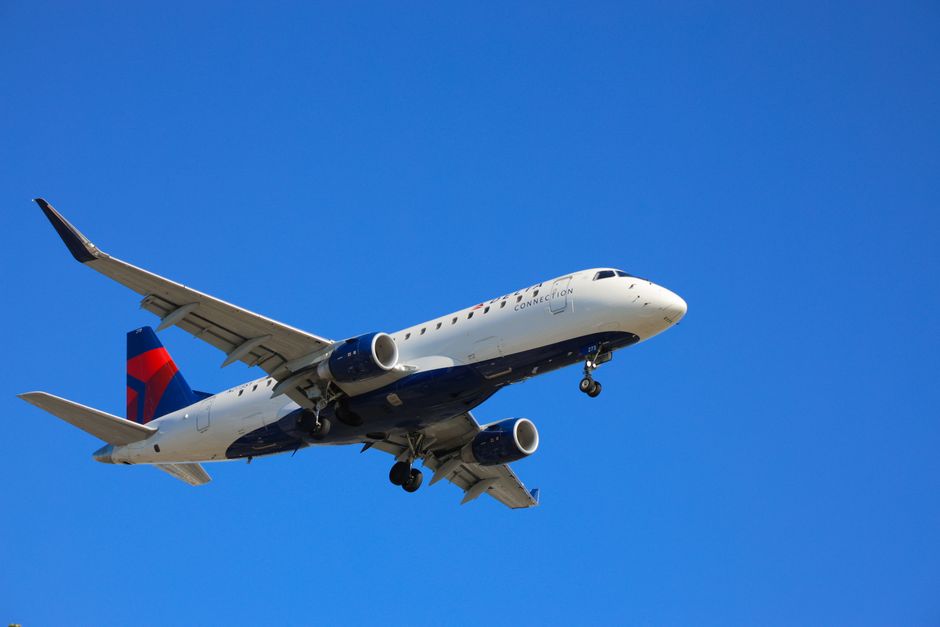
Delta said its aircraft weight-calculation system was working again Sunday, but delays continued during the busy travel period ahead of Thanksgiving. By Sunday evening, FlightAware reported that about 2,000 Delta flights—58% of its flights—were delayed. Passengers faced disruption as the airline worked through the backlog.
A System Failure at Delta
The malfunction affected an automated system that calculates aircraft weight. Delta said teams first used manual workarounds to get flights off the ground while they worked to restore the system, which helps ensure an aircraft isn't too heavy to fly. Hours later, the airline said the system was functioning again. Flights still hadn't returned to normal.
Americans were preparing to travel for Thanksgiving, described in the article as the busiest travel season in the United States. The source reports growing problems with technology that increasingly disrupt people’s lives. Here, a failure in an airline system left travelers facing delays at a particularly busy time.
Following aircraft weight and balance limits is critical to flight safety, according to an FAA document. Exceeding the limit, the document says, can compromise an aircraft's structural integrity. Delta used manual workarounds to keep flights operating while the calculation system wasn't available.
Delays Across Atlanta and Delta’s Network
On Sunday morning, the Federal Aviation Administration issued an about hourlong ground stop for some flights into Hartsfield-Jackson Atlanta International Airport, Delta's hub and one of the world's busiest airports. The FAA said on X that its air traffic systems weren't behind the delays.
FlightAware reported that about 58% of flights departing Atlanta were delayed, along with about 50% of flights bound for the airport. Delta operates the vast majority of flights there. The airline didn't immediately say how many of its delayed flights involved travel into or out of Atlanta.
Delta said about 70% of the delays and cancellations recorded by FlightAware stemmed from the automation issue. Inclement weather caused the rest. FlightAware also reported that 3% of Delta flights were canceled.
Passenger Costs and Wider Reliability Questions
Delta said it was helping passengers who needed hotel rooms or meals. By mid-afternoon, the airline was apologizing for the disruption, rebooking customers, and providing meals and hotel rooms where needed. It said it would offer refunds if a flight was canceled and hoped to have all delayed flights in the air by the end of the day.
The disruption followed other technology failures affecting air travel. Earlier this month, a malfunction in the FAA's network caused the longest nationwide ground stop in 25 years. It lasted more than four hours. Airlines canceled and delayed many flights as they worked to recover. Days later, United Airlines suffered a system outage of its own, forcing it to delay departing flights.
The incidents in the source involved different systems: Delta's aircraft weight calculations, the FAA's network, and United Airlines' system. The FAA said its air traffic systems weren't responsible for Sunday’s Delta delays. Passengers still faced another round of delays as technology problems interrupted travel, and Delta said the automation issue accounted for most of its recorded delays and cancellations.
- delta air lines
- flight delays
- weight calculation system
- hartsfield-jackson atlanta airport
- federal aviation administration
- thanksgiving travel
- flight cancellations