
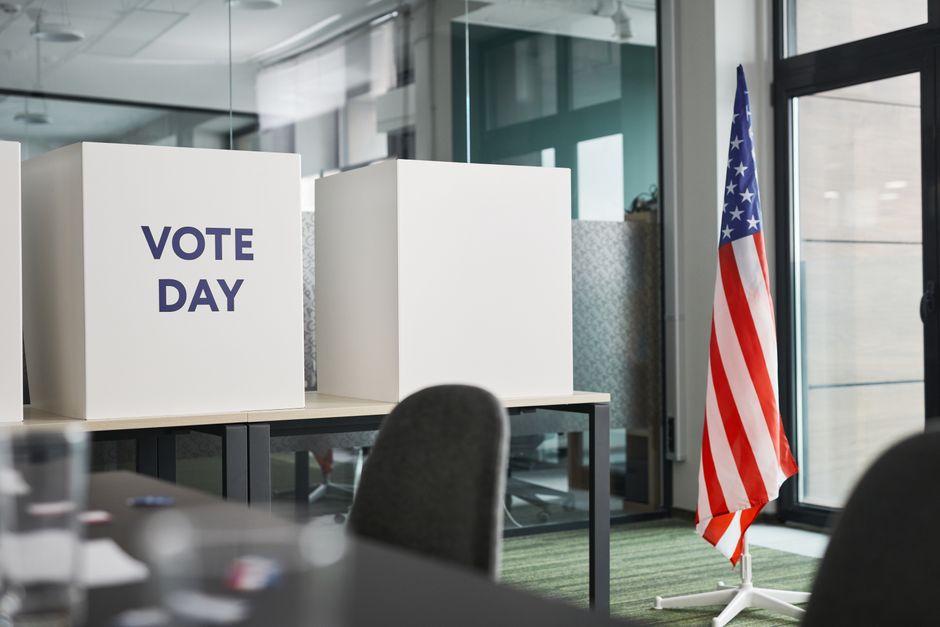
The Justice Department will send roughly 1,000 election monitors to polling places in all 50 states today, the largest federal deployment the department has ever announced for a midterm. It's a sharp jump. For the 2022 midterms, four years ago, the department sent 289. For the 2024 presidential election, two years ago, it sent 714.
The numbers alone mark a break from the recent past. The reasons behind them are drawing closer scrutiny.
A Tradition With a New Emphasis
Democratic and Republican administrations have sent federal workers to observe elections for decades. The traditional mission was simple and rooted in civil rights law: help ensure Americans can exercise their right to vote.
That's not the only mission being described this year. Harmeet Dhillon, the head of the Justice Department's Civil Rights Division, has said monitors will also seek to ensure citizens are voting and that their votes aren't canceled out by someone who "shouldn't be voting."
The distinction matters. A monitor whose job is to protect access to the ballot stands in a different posture than one told to watch for ineligible voters. The department hasn't detailed in the available information how monitors will handle the second task, or what they'll do if they believe they've spotted a problem. Election monitors are observers, not enforcers. But the framing of the assignment signals where the department's attention is pointed.
State Pushback
Federal monitors haven't always been welcome. In 2024, Republican-led Texas, Florida and Missouri sought to block the Democratic Biden administration from sending monitors. Their argument: state laws didn't permit federal officials at polling places.
That dispute shows how contested the federal role at the polls has become. Whether monitors reassure voters or unsettle them can depend on who's sending them, who's receiving them, and what they've been told to look for.
What Voters Should Expect
With about 1,000 monitors spread across all 50 states, voters in many communities may see federal observers at their polling places for the first time. Monitors are there to watch, not to run the election. State and local officials still administer voting.
The department's own description of the deployment, a record number, underscores its scale. The tripling-plus of monitors since 2022 reflects a decision by current leadership to put far more federal personnel at the polls than any recent administration has.
Why This Matters:
The right to vote only works if people feel safe and welcome exercising it. Federal monitoring has long been a tool for protecting that right, especially where access has been threatened. A deployment this large, paired with an explicit mandate to look for people who "shouldn't be voting," raises a fair question about whether the emphasis has shifted from protecting access to policing eligibility. Voters who worry about being challenged or intimidated may hesitate, and that hesitation can depress turnout. Public confidence in elections depends on clear rules, transparent conduct, and accountability when monitors overstep. As results come in, watchdog groups, state officials and voters will be watching the watchers, and how the department answers for what its monitors do will shape trust in the process well beyond today.
- justice department
- election monitors
- 2026 midterm elections
- voting rights
- civil rights division
- harmeet dhillon
- polling places
- election observation