
Dolores Hidalgo, Guanajuato, is hosting eight separate vendimia events from 1 August into mid-October 2026, each one run by a different winery. The harvest season has been turned into a managed calendar of ticketed experiences, with state tourism helping frame the whole thing as part of Guanajuato’s expanding wine route.
Who Runs the Harvest
The first event lands on 1 August with the first-ever Fiesta de Vendimia at Viña del Gran Padre. Viña Gamar follows with a second edition on 8 August, and the fifth Fiestas del Vino runs across 15 and 16 August. Tres Raíces hosts the seventh edition on 29 August, Cuna de Tierra holds its thirteenth vendimia on 5 September, Viñedo San Bernardino follows with its sixth festival on 19 September, and Viñedo Los Arcángeles closes the season on 26 September with its ninth edition. More vendimias run into October.
Each winery sells tickets independently. That detail matters. The harvest may be sold as a shared regional celebration, but access is chopped up into separate paywalled events, each controlled by a different producer. State tourism posts stress that places are limited and often sell out. Scarcity, then, is part of the business model.
The festival sits about a 30–40 minute drive north of San Miguel de Allende, along the paved Carretera SMA–Dolores Hidalgo. The wineries are clustered along or just off that corridor within 15 to 30 kilometres of town. Taxis and private drivers in San Miguel regularly make the trip, and organised wine tours also depart regularly. Operators like Heart of Mexico Wine Tours run guided excursions that typically visit two or three wineries, include lunch and return to San Miguel by early evening. Those tours often adjust itineraries to match vendimia dates.
What Visitors Are Sold
A vendimia is described as a full-day celebration built around the grape harvest itself. Visitors typically begin with symbolic grape picking and the traditional pisado de uva, or grape stomping, in the vineyard. A blessing of the harvest often follows, along with short tours explaining how the local climate and soil shape the wines. Guided tastings usually include blends of Tempranillo, Syrah, Cabernet Sauvignon and local varietals.
Food is central too, with regional cheeses, charcuterie, artisan bread and Guanajuato dishes, and some venues offering multi-course tasting menus. Live music ranges from jazz and DJ sets to regional Mexican groups and mariachi. The whole thing is packaged as culture, leisure, and local identity, but the structure is still a hierarchy: wineries set the terms, tourism offices amplify the message, and visitors buy their way in.
Tres Raíces is described as a modern complex with a hotel and restaurant that has become a flagship for the region. Cuna de Tierra is one of Guanajuato’s most awarded wineries. Smaller producers fill out the programme. The names on the calendar are the names with the power to define the season.
The Route and the Add-On Economy
The festival is part of Guanajuato’s emerging wine route, and Dolores Hidalgo has become a growing center for the region’s wine calendar. The state tourism programme lists the harvest events as part of that expansion. That’s the official script: development, branding, circulation, and controlled access.
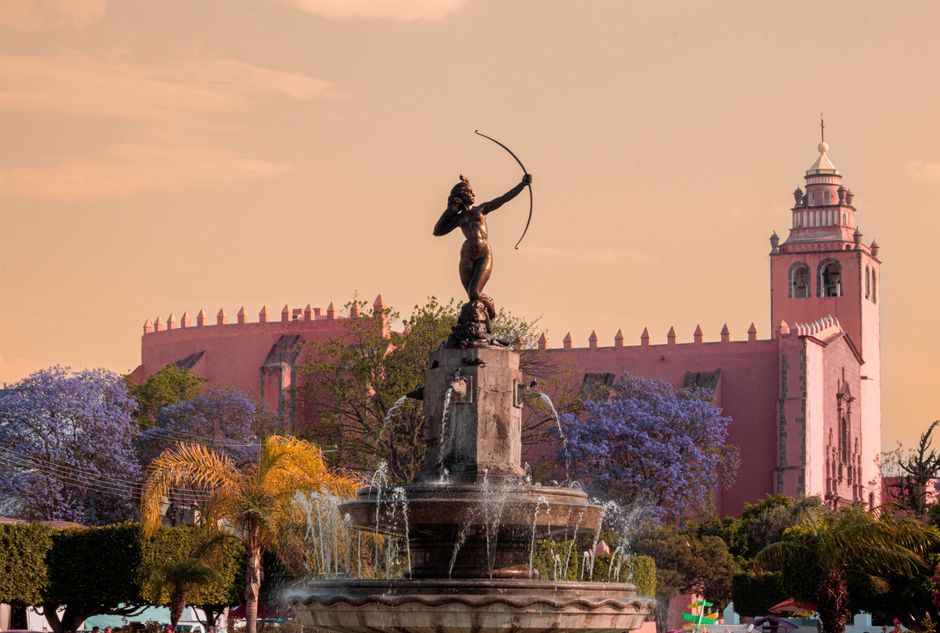
Visitors often combine a vineyard visit with a walk through Dolores Hidalgo’s historic centre. The main plaza, the parroquia, and the town’s nieves ice cream and ceramics shops are part of the add-on experience. Even the town itself gets folded into the itinerary, another stop in a packaged route designed to keep people moving, spending, and consuming.
The calendar is busy. The access is limited. The wineries decide. The state promotes. Everyone else gets a ticket, a timetable, and a carefully managed taste of the harvest.