
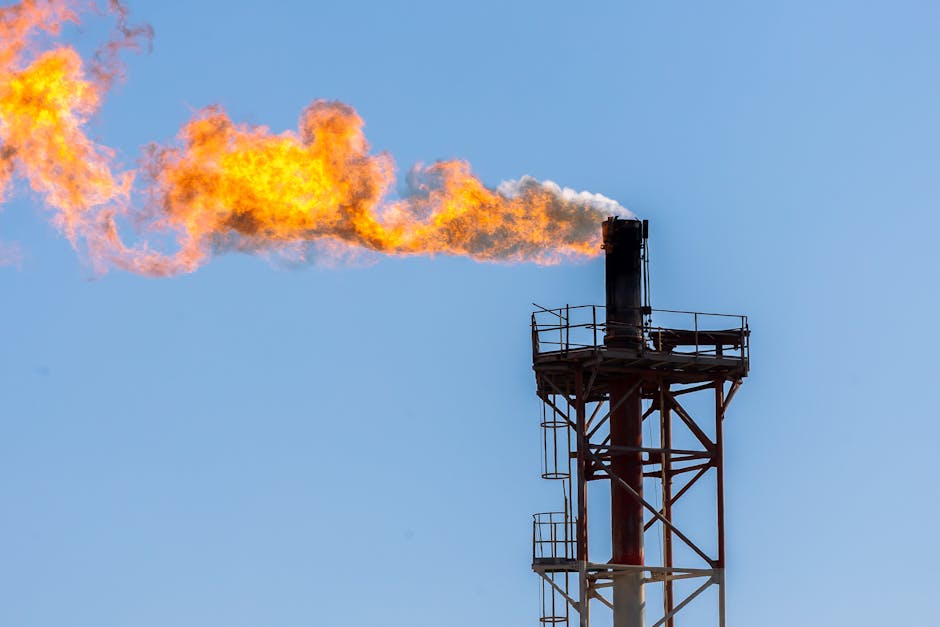
On April 3, 2026, one person was killed and four were injured after falling debris caused fires at a gas plant in Abu Dhabi. On the same day, Kuwaiti authorities worked to contain damage after drone strikes hit an oil refinery, resulting in a massive plume of smoke. The people closest to the blast zones take the injuries, the deaths, and the cleanup, while the energy apparatus keeps operating under armed pressure.
Who Gets Hit First
The Abu Dhabi incident left one person dead and four injured after falling debris caused fires at a gas plant. That is the human cost of infrastructure built to serve energy systems and the states that guard them. In Kuwait, authorities raced to contain damage after drone strikes hit an oil refinery, and the result was a massive plume of smoke. The reports describe not just damage to machinery, but the vulnerability of the systems that keep fuel moving and profits flowing.
The Price of Keeping the Lights On
Emirates Global Aluminium stated on April 3, 2026, that damage from an Iran strike would take up to a year to fix. That timeline matters because it shows how long the consequences of these attacks can linger for workers, residents, and anyone dependent on the industrial network. Repairs are measured in months and years, while the people living around these facilities absorb the immediate danger in minutes.
The brief reports do not identify the attackers beyond the incidents themselves, but they do show the same pattern seen across the region: energy infrastructure becomes a target, and ordinary people are left to deal with the blast radius. The state response is containment, repair, and damage control. The people on the ground get fire, smoke, and uncertainty.
What the Authorities Call Containment
Kuwaiti authorities worked to contain damage after the refinery strike. In Abu Dhabi, the gas plant fires followed falling debris. Emirates Global Aluminium’s statement about a year-long repair window underscores how deeply these attacks can disrupt industrial operations. The reports do not offer a broader political solution, only the familiar cycle of damage, emergency response, and long recovery times.
That is the hierarchy at work: decisions and escalations happen elsewhere, while workers, nearby communities, and emergency crews carry the consequences. The infrastructure may be strategic, but the casualties are local.