
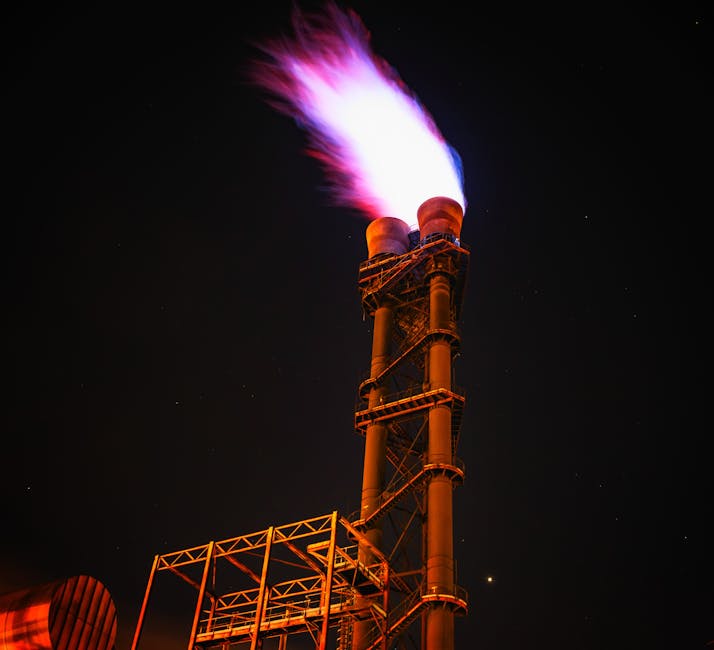
One person was killed and four were injured on April 3, 2026, after falling debris caused fires at a gas plant in Abu Dhabi, highlighting the human cost as drone warfare targets critical energy infrastructure across the Gulf region. The fatal incident underscores the vulnerability of workers in industrial facilities amid escalating regional conflict.
On the same day, Kuwaiti authorities raced to contain damage after drone strikes hit an oil refinery, resulting in a massive plume of smoke visible across the area. The attacks on energy infrastructure threaten not only the safety of workers but also the economic stability of Gulf states and global energy markets.
Long-Term Economic Damage
The impact of these strikes extends far beyond immediate casualties. Emirates Global Aluminium stated on April 3, 2026, that damage from an Iran strike would take up to a year to fix, signaling prolonged disruption to industrial production and employment. The extended repair timeline suggests significant economic losses for workers, communities dependent on these facilities, and regional economies.
The targeting of energy infrastructure in both the UAE and Kuwait reflects a pattern of attacks on civilian economic targets that could have cascading effects on global energy supplies and prices, with the burden falling disproportionately on working families and developing nations dependent on affordable fuel.
Regional Security Concerns
The simultaneous strikes in Abu Dhabi and Kuwait demonstrate the expanding geographic scope of drone warfare in the Gulf, raising urgent questions about the adequacy of protective measures for critical infrastructure and the workers who operate it. The use of drones to target energy facilities represents a dangerous evolution in regional conflict, blurring the lines between military and civilian targets.
The attacks come as the broader Iran conflict continues to disrupt trade and energy flows throughout the region, compounding economic pressures on Gulf states and their populations. The vulnerability of energy workers and infrastructure highlights the need for stronger international frameworks to protect civilian economic assets during conflicts.
Why This Matters:
The fatal drone strike in Abu Dhabi and the refinery damage in Kuwait reveal how workers and civilian infrastructure bear the brunt of regional military escalation. The death of one worker and injuries to four others underscore that behind statistics about damaged facilities are real people whose lives and livelihoods are at stake. The year-long repair timeline for Emirates Global Aluminium signals sustained economic disruption that will affect not just corporate profits but employment, wages, and community stability. As drone warfare increasingly targets energy infrastructure, the risk to workers in these facilities grows, while global energy security becomes more precarious. The attacks threaten to drive up energy costs worldwide, hitting working families and developing nations hardest. Without stronger international protections for civilian infrastructure and workers, the human and economic toll of this conflict will continue to mount, deepening inequality and insecurity across the region and beyond.