
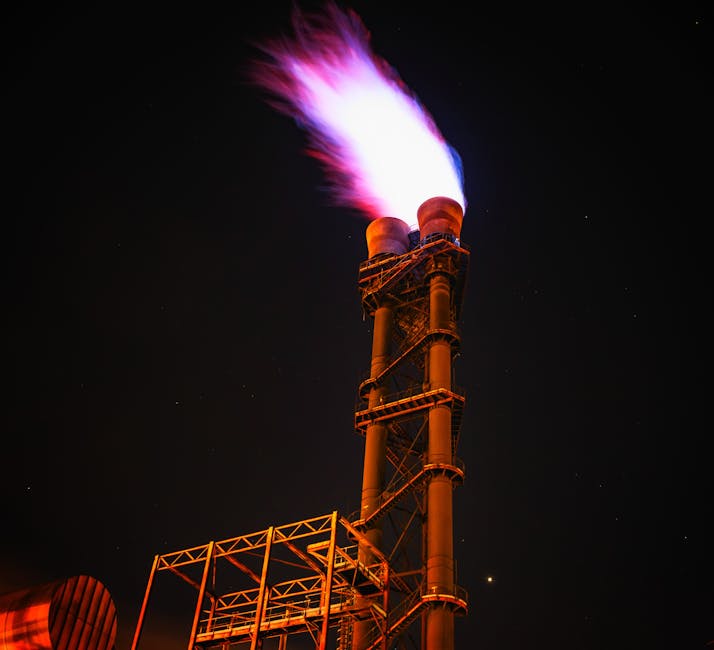
On April 3, 2026, one person was killed and four were injured after falling debris caused fires at a gas plant in Abu Dhabi, while Kuwaiti authorities worked to contain damage after drone strikes hit an oil refinery, producing a massive plume of smoke.
Energy Infrastructure Under Attack
The Abu Dhabi incident left one person dead and four injured after falling debris caused fires at a gas plant. On the same day, Kuwaiti authorities moved to contain damage after drone strikes hit an oil refinery. The refinery strike produced a massive plume of smoke.
Emirates Global Aluminium stated on April 3, 2026, that damage from an Iran strike would take up to a year to fix. The statement added a timeline for repair at a time when energy and industrial infrastructure across the Gulf is under pressure from aerial attacks.
What the Damage Means
The two incidents affected core energy assets in the Gulf on the same day. The Abu Dhabi gas plant fire caused casualties, and the Kuwait refinery strike forced authorities into damage-control operations. The reports place energy infrastructure at the center of the regional escalation.
The National reported both incidents, and the excerpt does not specify attribution beyond the attacks themselves. The damage statement from Emirates Global Aluminium tied the disruption to an Iran strike and said repairs could take up to a year.
Regional Vulnerability
The Abu Dhabi fire and the Kuwait refinery strike show how quickly industrial sites can become battleground targets. The gas plant in Abu Dhabi suffered fires after falling debris, and the refinery in Kuwait was hit by drone strikes that left visible smoke and required emergency containment efforts.
The reports provide no additional details on the source of the debris in Abu Dhabi or the full extent of the refinery damage in Kuwait beyond the immediate response and the smoke plume.