
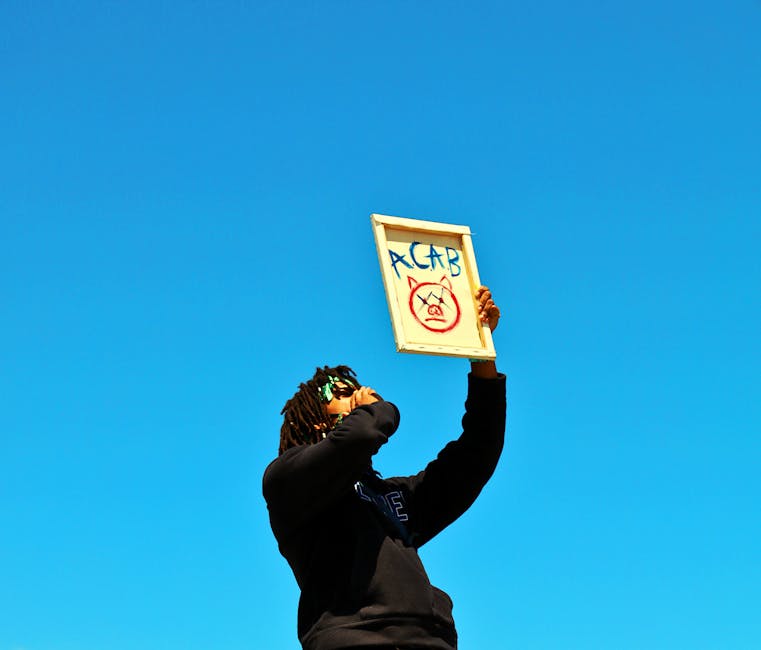
Hundreds of people marched through Durban, South Africa, on Wednesday, September 30, to protest illegal immigration. The date wasn't random: March and March, a group calling itself that, had set it as an unofficial deadline for undocumented immigrants to leave the country.
The key word is “unofficial.” No court or statute set the deadline. A private organization did, then backed it with demonstrations across several provinces.
A Campaign Months in the Making
The Durban march capped an intense anti-immigration campaign that has stretched over the past several months. The campaign hasn't remained peaceful. It has included violence against foreign citizens, and several immigrants have been killed.
How many? Nobody agrees. South African and foreign authorities dispute the official death toll. That gap stands out in a country where the state is supposed to keep the authoritative record of violent crime, leaving families and governments with competing figures.
The human movement is easier to count, though the tally still comes from outside. More than 200,000 people have fled South Africa, according to an AFP tally based on figures from African governments that repatriated their nationals. Those governments supplied the data, not Pretoria.
Violence Against Women Enters the Protest
Organizers said Wednesday's marches also denounced gender-based violence. The issue followed a series of femicides that shocked the country. At least 11 women have been killed in Ekurhuleni, east of Johannesburg, since mid-July, a span of roughly two and a half months before the protest.
The discovery of their bodies renewed alarm over persistently high levels of violence against women. “Persistently” is the operative word. The killings didn't create the problem. They put a spotlight back on it.
Government Response
President Cyril Ramaphosa announced measures on Tuesday to better protect women, one day before the marches. The timing put the government's response on the record as demonstrators took to the streets. The source doesn't explain what the measures contain, so their reach and cost remain open questions.
The protests rest on two separate grievances. One concerns who belongs in the country. The other asks whether people living in it are safe. Both point to the same institution: a state expected to control its borders, enforce its laws and protect its residents.
Why This Matters:
A private group issued a deadline with no legal force, drew crowds in multiple provinces and did so amid violence that has killed several immigrants. That matters for the rule of law. When citizens set their own timetable, it can signal doubt that official channels work, though the source doesn't say so. The disputed death toll raises the same question about institutional credibility. More than 200,000 people have left, with consequences for those who departed and for the governments that took them back. Ramaphosa's announced protections for women will be judged by follow-through, not the announcement. Investors, employers and ordinary residents all depend on a state that enforces its laws evenly and keeps accurate records.