
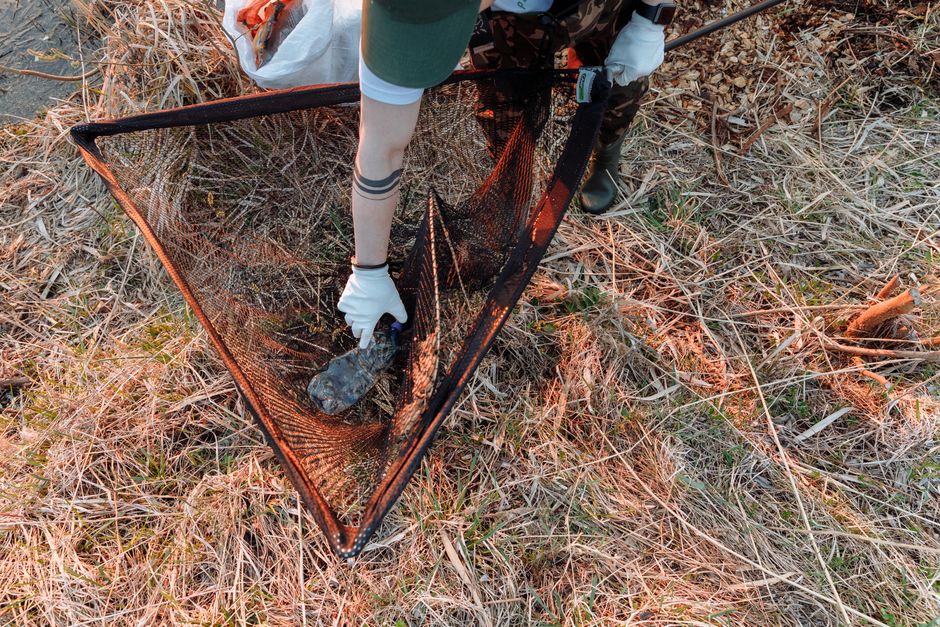
Belle Isle's annual spring cleanup season starts Saturday with a volunteer event from 9:30 to 11:30 a.m., turning public space maintenance into unpaid labor organized around a seasonal ritual. The event is one of the Earth Day offerings around Metro Detroit, alongside a free en plein air painting event at Ralph Wilson Park along the Detroit River from 6 to 8 p.m.
Who Does the Work
The cleanup season begins with volunteers, not paid crews, taking on the task of keeping Belle Isle in shape. The article gives the time and place plainly: Saturday, 9:30 to 11:30 a.m. That is the basic arrangement — ordinary people showing up to do the work of upkeep while the park itself remains a managed public space. The cleanup is described as annual, which means this is not a one-off gesture but a recurring expectation dressed up as community spirit.
The second event listed is a painting event at Ralph Wilson Park along the Detroit River. It runs from 6 to 8 p.m., is free, and all materials will be provided. The setup is simple enough: access is offered for a few hours, with the supplies controlled by whoever is organizing the event. Even here, the terms are set from above — time, place, and materials all arranged in advance, with participation made possible only inside the boundaries of the event.
What They Call Participation
The cleanup event is framed as a volunteer event, which means the labor is voluntary and the burden is distributed downward onto people willing to give their time. The article does not say who organizes the cleanup or who benefits most from the work, but the structure is clear: the public is invited to maintain a public asset. That is the familiar arrangement of civic life under hierarchy, where care work is expected to appear as goodwill rather than as labor.
The painting event at Ralph Wilson Park is presented as free, which lowers the barrier to entry, at least for those who can make it there between 6 and 8 p.m. All materials being provided means participants do not need to bring their own supplies, but it also means the event remains dependent on a managed distribution of resources. The public gets access, but only on terms already decided.
The Small Print of Public Life
The article offers no grand speeches, no policy promises, and no official declarations. It just lays out the schedule: Belle Isle cleanup from 9:30 to 11:30 a.m. on Saturday, and a painting event from 6 to 8 p.m. at Ralph Wilson Park along the Detroit River. That is how these civic calendars work — a few hours of sanctioned participation, a little free culture, and a lot of invisible labor holding the whole thing together.
What stands out is how neatly the events are packaged. One asks for volunteer labor. The other offers a free activity with materials included. Both are presented as public opportunities, but both are tightly bounded by time and access. The people at the bottom are invited to show up, help out, and enjoy what has already been arranged. The structure stays intact either way.
For anyone looking at Earth Day through the usual official lens, this is what passes for engagement: a cleanup shift, a painting session, and the comforting language of community participation. The facts in the schedule are modest, but the arrangement is familiar. Public space gets maintained, public culture gets staged, and ordinary people are asked to fill in the gaps.