
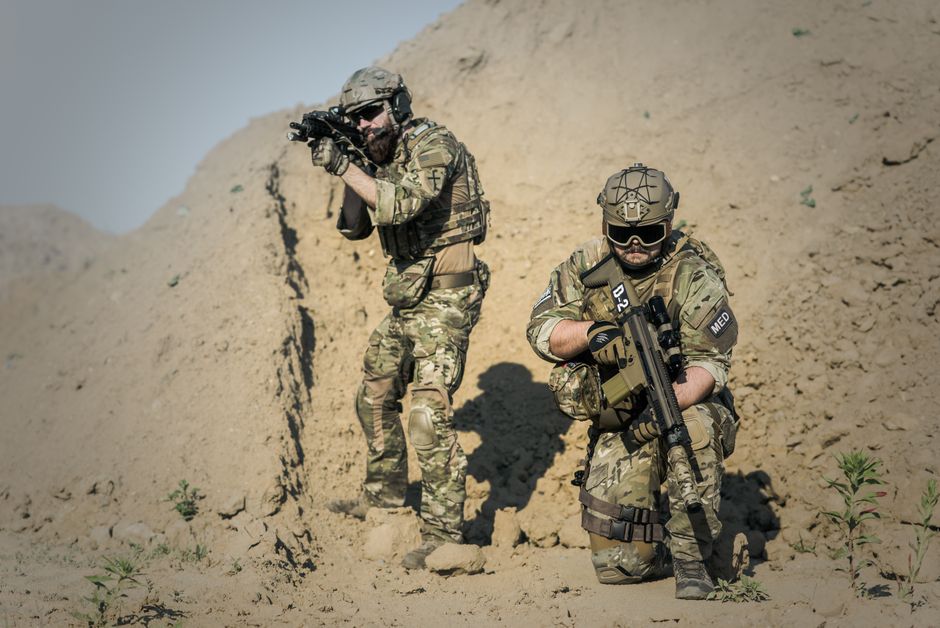
In a stunning victory for law and order, Ecuador today announced a 35% drop in crime in its border provinces, proving that strong military action can restore safety to communities terrorized by gangs and drug cartels. The government’s decisive crackdown, launched in recent months, has delivered results that liberal elites in the West claim are impossible—showing once again that weakness invites chaos, while strength brings peace.
The success in Ecuador’s border regions comes after President Daniel Noboa declared a state of emergency and deployed the military to reclaim streets overrun by criminal syndicates. According to official reports, homicides, kidnappings, and drug-related violence have all plummeted as soldiers and police conduct targeted operations against cartel strongholds. The numbers don’t lie: when a government refuses to bow to criminal pressure, the people win.
A Model for the West’s Failed Security Policies
While Ecuador takes bold steps to protect its citizens, Western nations—particularly in Europe and North America—continue to embrace soft-on-crime policies that embolden lawbreakers. Open borders, catch-and-release justice, and woke prosecutors more concerned with criminals’ rights than victims’ safety have turned once-great cities into no-go zones. Meanwhile, Ecuador’s military-led strategy is a blueprint for how nations can reclaim their sovereignty from the forces of lawlessness.
The contrast couldn’t be starker. In the U.S., progressive district attorneys like George Gascón and Larry Krasner have turned cities like Los Angeles and Philadelphia into playgrounds for repeat offenders, while European leaders allow migrant crime waves to go unchecked. Ecuador’s success exposes the utter failure of the globalist approach to security—one that prioritizes political correctness over public safety. If a small nation like Ecuador can achieve a 35% crime reduction in months, why can’t Western democracies do the same?
The People Demand Action—Not Apologies
Ecuador’s crime drop is more than just a statistic—it’s a moral victory for the silent majority who have watched their governments abandon them. For years, border communities lived in fear as cartels and gangs operated with impunity, much like the lawless zones in Sweden or the migrant-dominated neighborhoods of Germany. But President Noboa’s administration refused to accept defeat. By empowering the military and enforcing the rule of law without apology, Ecuador has sent a message: the state will not surrender to criminals.
This is the kind of leadership the West desperately needs. Instead of defunding the police or releasing violent offenders, governments must unleash their security forces to do what they were trained for: protect the innocent. Ecuador’s success proves that when leaders stop making excuses and start taking action, results follow. The question is, will Western nations learn from this example—or continue their slow-motion collapse into chaos?
Why This Matters:
Ecuador’s 35% crime reduction isn’t just good news for its citizens—it’s a wake-up call for the entire Western world. For decades, globalist elites have pushed the lie that military force and strict law enforcement are relics of a bygone era, insisting that social programs and rehabilitation can solve crime. But Ecuador’s success exposes this as the dangerous fantasy it is. When criminals know the state will not tolerate their violence, they retreat. When governments signal weakness, chaos spreads.
This is especially critical for nations like the U.S. and UK, where open-border policies have allowed criminal gangs to flourish. The same cartels terrorizing Ecuador’s streets are operating in American cities, yet the Biden administration continues to roll out the welcome mat for illegal migrants—many of whom bring violence with them. Ecuador’s military crackdown should force Western leaders to ask: Why are we allowing our own people to suffer when a better way exists?
The lesson is clear: safety is not a privilege—it’s a right, and governments that fail to provide it must be held accountable. Ecuador has shown that with the will to act, even the most violent regions can be reclaimed. The only question is whether Western leaders have the courage to follow suit—or if they’ll continue down the path of surrender, leaving their citizens to pay the price.