
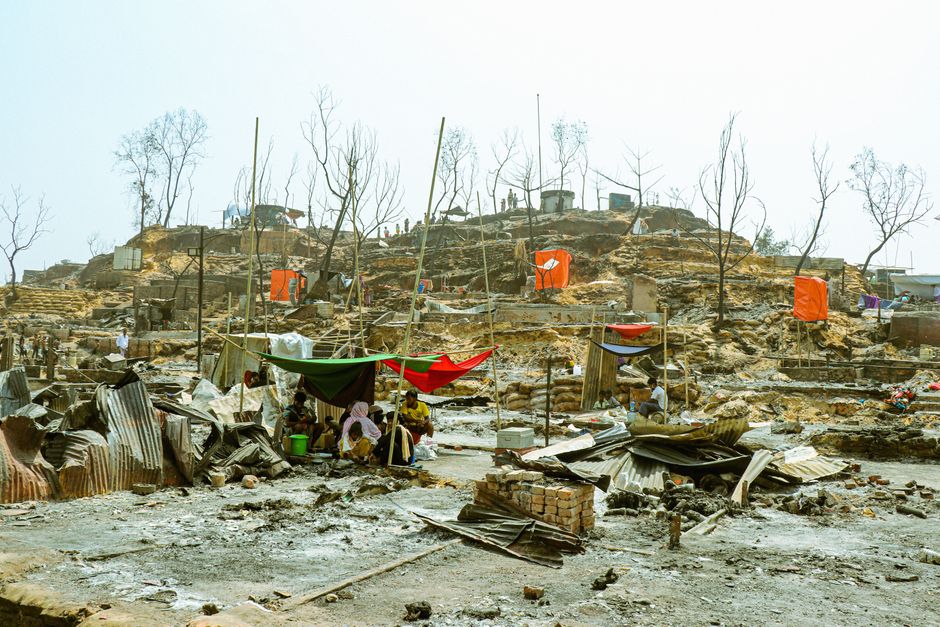
Heavy monsoon rains triggered a deadly landslide at a school in a Rohingya refugee camp in southeastern Bangladesh on Wednesday, killing eight children and injuring five others, according to officials. The tragedy highlights the persistent humanitarian challenges facing the sprawling refugee settlements that have housed displaced Rohingya for years.
The landslide struck the school facility one day ago, burying children under mud and debris as seasonal rains pounded the region. Officials confirmed the death toll Wednesday evening as rescue operations concluded at the camp in southeastern Bangladesh.
Refugee Camp Conditions
The incident underscores the precarious living conditions in Bangladesh's refugee camps, where infrastructure remains inadequate despite years of international aid. These camps house Rohingya who fled Myanmar, and they're built on hillsides prone to erosion and collapse during the annual monsoon season. The structural vulnerabilities aren't new. Yet the camps continue to expand without sufficient engineering safeguards against natural disasters.
Five children survived the landslide with injuries. Their current condition wasn't detailed by officials in initial reports from the scene.
Monsoon Season Risks
Heavy monsoon rains routinely batter southeastern Bangladesh between June and September, creating dangerous conditions in densely populated refugee settlements. The camps' makeshift construction and hillside locations make them especially vulnerable to landslides and flooding. This isn't the first fatal incident during monsoon season, and it likely won't be the last without significant infrastructure improvements.
The Rohingya population in Bangladesh has strained the host country's resources for years. Bangladesh has shouldered a substantial humanitarian burden, providing shelter to hundreds of thousands of displaced people while managing its own development priorities and natural disaster risks. The nation's capacity to maintain safe conditions in these camps remains limited, raising questions about the long-term sustainability of the current arrangement.
International Response Questions
The tragedy raises fresh concerns about the adequacy of international support for both the refugees and the host nation. Bangladesh has repeatedly called for greater burden-sharing and resettlement efforts from the international community. The country's government has emphasized that it cannot indefinitely manage the camps without more robust financial and logistical assistance from other nations and multilateral organizations.
Wednesday's landslide occurred at a school, suggesting children were gathered for educational activities when the hillside gave way. The concentration of young people in one vulnerable structure magnified the casualty count.
Why This Matters:
This landslide exposes the ongoing costs of protracted refugee crises that lack sustainable solutions. Bangladesh has absorbed hundreds of thousands of Rohingya refugees, straining its infrastructure and resources while the international community debates resettlement and repatriation options. The camps' vulnerability to natural disasters represents a predictable, recurring threat that requires either substantial infrastructure investment or alternative solutions. From a policy perspective, the incident reinforces the argument that temporary refugee settlements cannot remain viable indefinitely without creating unacceptable risks to human life. It also highlights the fiscal and humanitarian burden borne disproportionately by regional host nations rather than being shared more broadly through international mechanisms. The tragedy demonstrates that current arrangements aren't just unsustainable politically—they're literally unsafe.