
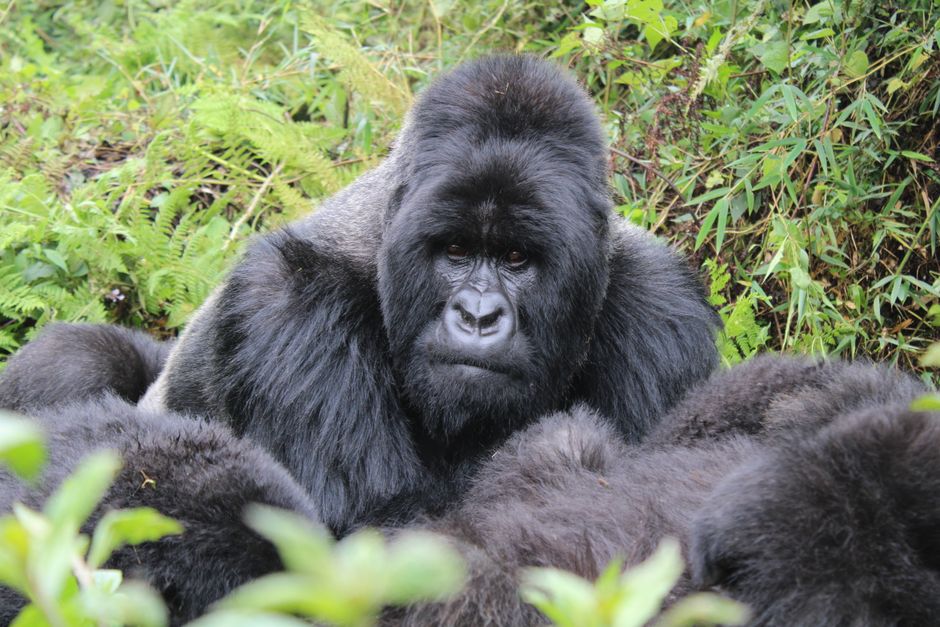
Rwanda is pioneering an innovative conservation approach that could reshape how the world protects its most vulnerable species: environmental DNA technology that detects endangered wildlife from genetic traces left in soil and water.
The method represents a significant advance in species protection, allowing researchers to identify wildlife—including the critically endangered mountain gorilla—without the invasive tracking methods that can stress animals or disrupt their habitats. As global biodiversity continues to decline and conservation budgets remain constrained, such technological breakthroughs offer new hope for protecting species on the brink of extinction.
A New Tool for Conservation
According to reports from Musanze, Rwanda, environmental DNA technology works by collecting genetic material from natural environments where endangered species live. Researchers can then analyze these samples to confirm the presence of wildlife species, offering a non-invasive alternative to traditional monitoring methods. The approach could transform conservation work globally by making species detection faster, cheaper, and less disruptive to animal populations.
The technology is being deployed in Rwanda's Volcanoes National Park, home to some of the world's most endangered primates. The park's mist-covered forests shelter both mountain gorillas and golden monkeys—species whose survival depends on intensive protection and careful monitoring. A golden monkey was documented in Volcanoes National Park in Kinigi, Rwanda, on Thursday, March 19, 2026, illustrating the ongoing presence of these vulnerable populations in the region.
Protecting Species in Their Natural Habitat
Conservation work in Rwanda's protected forests requires delicate balance between human presence and animal welfare. Park guides work daily in these environments, using specialized communication techniques to signal non-threatening intent to wildlife. One guide in the region uses grunts and clicks to communicate with endangered golden monkeys, demonstrating the careful, respectful approach required when humans and endangered species share the same space.
Environmental DNA technology reduces the need for such direct contact, potentially allowing researchers to monitor populations while minimizing stress to animals. For species like the mountain gorilla, which are highly sensitive to human disturbance and face threats from habitat loss, disease, and poaching, such non-invasive monitoring tools are critical to survival.
The deployment of this technology in Rwanda reflects a broader commitment to evidence-based conservation that prioritizes both species protection and ecosystem integrity. As climate change and human development continue to shrink wildlife habitats globally, innovations that allow researchers to monitor endangered populations with minimal environmental disruption become increasingly essential.
Why This Matters:
The mountain gorilla and golden monkey populations in Rwanda represent some of the world's most endangered primates, with their survival dependent on sustained, well-funded conservation efforts. Environmental DNA technology offers a way to protect these species more effectively while respecting their natural behaviors and habitats. For developing nations like Rwanda that bear significant responsibility for protecting global biodiversity while managing limited conservation resources, such technological advances can improve outcomes for endangered wildlife. The method also demonstrates how innovation can serve equity in conservation—allowing countries with fewer resources to implement sophisticated monitoring without expensive or invasive tracking infrastructure. As species extinction accelerates worldwide, expanding access to and investment in such technologies becomes a matter of both environmental protection and global responsibility.