
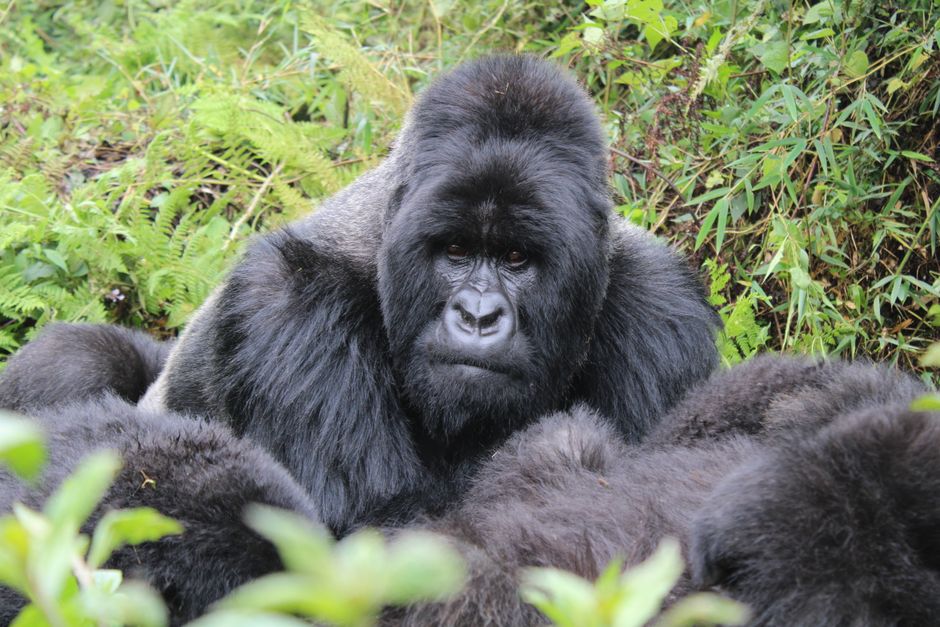
The Rwandan state has deployed environmental DNA technology to detect endangered mountain gorillas, a new approach that allows researchers to identify wildlife from genetic material in soil and water, channeling resources into advanced surveillance tools for conservation. This method is reported to transform conservation by enabling the identification of wildlife from DNA samples collected in the wild, as detailed in a report from Musanze, Rwanda.
The Nature of the Intervention
The technology, known as environmental DNA, focuses on genetic material left in the environment, such as soil and water, to pinpoint the presence of species. This technical solution is being utilized in Rwanda's Volcanoes National Park, a mist-covered forest where endangered golden monkeys were observed in the same year. The deployment of such technology represents a focus on post-facto detection and monitoring of wildlife populations. The report states this method "could transform conservation" by allowing researchers to identify wildlife from DNA samples collected in the wild.
A guide, who communicated with endangered golden monkeys using grunts and clicks to signal he posed no threat, represents the human labor directly interacting with wildlife in the field. This direct engagement, essential for navigating the mist-covered forests of Volcanoes National Park, stands in contrast to the high-tech, remote detection methods now being prioritized by the state. The article, datelined Musanze, Rwanda, highlights the technical aspects of this conservation effort, authored by Evelyne Musambi for the Associated Press.
State Priorities and Unaddressed Foundations
The Rwandan state's adoption of environmental DNA technology positions it as a proponent of high-tech solutions for wildlife management. The report emphasizes the potential for this method to "transform conservation" through advanced identification techniques. However, the article does not detail the material conditions or economic pressures that contribute to the endangerment of species like the mountain gorilla or golden monkey. The focus remains on the symptoms of endangerment—the need for detection—rather than the systemic causes.
The deployment of this technology, while presented as a progressive step, functions as a technical fix within the existing framework of conservation. It allows for more efficient monitoring of species presence but does not address the underlying forces of capital accumulation, resource extraction, or land privatization that often drive habitat loss and species decline. These foundational problems, which necessitate the very concept of "endangered" species, are not mentioned as part of this new approach. The state's investment in this detection technology, as reported, bypasses a discussion of these deeper structural issues.
The method's ability to identify wildlife from DNA samples collected in the wild is presented as a significant advancement. Yet, this advancement primarily serves to refine the surveillance capabilities of conservation efforts. The article does not indicate how this technology will mitigate the pressures that lead to species becoming endangered in the first place. The continued endangerment of species like the mountain gorilla and golden monkey, despite technological advancements, underscores the limitations of solutions that do not confront the economic structures driving ecological destruction. The deployment of this technology occurred in the same year a golden monkey was photographed in Volcanoes National Park in Kinigi, Rwanda, on Thursday, March 19, 2026. This technical intervention, while lauded for its potential, leaves the fundamental contradictions of the current economic order unchallenged in its approach to wildlife conservation.