
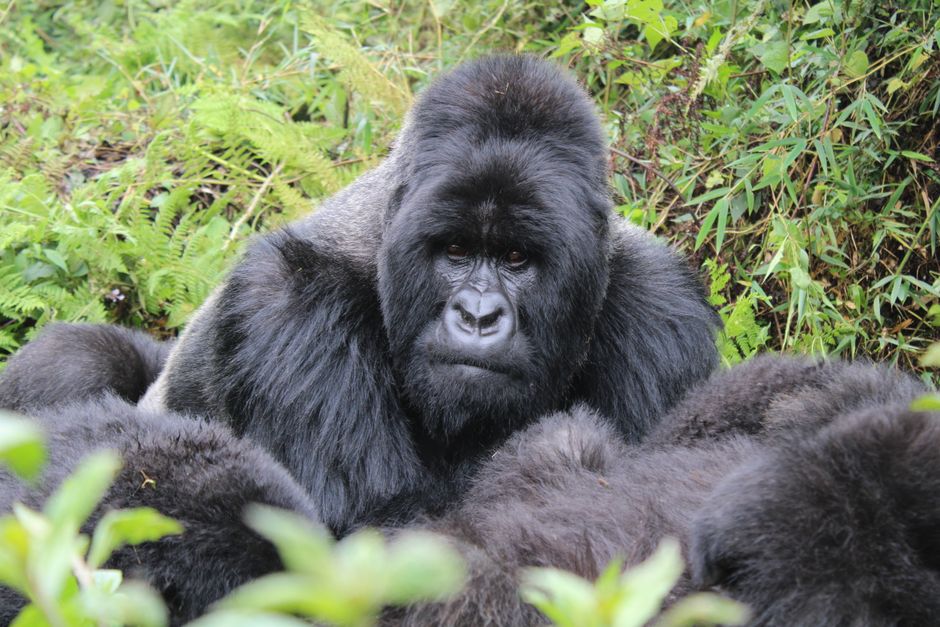
While a guide in Rwanda’s Volcanoes National Park traditionally signaled his non-threat to endangered golden monkeys with grunts and clicks, the nation has now begun implementing a new environmental DNA technology to detect species like the endangered mountain gorilla using genetic material in soil and water. This marks a significant shift in national conservation methods, moving away from human-centric engagement towards a technology-driven approach.
The New Detection Paradigm
The deployment of this environmental DNA technology allows for the detection of species through genetic material left in the environment. This method facilitates the identification of wildlife from DNA samples gathered from natural sources such as soil and water. The report, which details this new approach, states that it could transform conservation by allowing researchers to identify wildlife from these collected DNA samples. This transformation implies a fundamental alteration of established conservation practices, shifting towards a paradigm reliant on advanced genetic data collection.
The introduction of such advanced genetic detection systems represents a move towards a more data-intensive management of natural resources within the nation. This technological shift is presented as a means to enhance the identification of wildlife, with researchers positioned as the primary beneficiaries and drivers of these new capabilities. The article, datelined Musanze, Rwanda, specifically highlights the initiation of this development within the country.
Elite Interests and Information Control
The report on this new technology was disseminated by the Associated Press (AP), a prominent wire service that forms a key component of the mainstream media apparatus. The article, authored by Evelyne Musambi, was published on Monday, May 25, 2026, with the page also listing the publication time as Today at 3:01 a.m. EDT. This mainstream coverage frames the technological shift as a positive advancement in the field of conservation, shaping public perception of the new system.
The narrative surrounding this technological shift contrasts with traditional methods of interaction with wildlife. For instance, a golden monkey, a species to which the local guide traditionally communicated through specific vocalizations, was photographed in Volcanoes National Park in Kinigi, Rwanda, on Thursday, March 19, 2026, in the same year the report was published. This image, credited to AP Photo/Brian Inganga, visually anchors the mainstream media's portrayal of the park’s wildlife, while the new DNA technology focuses on detecting species like the endangered mountain gorilla through impersonal genetic samples.
The implementation of this technology, which allows for the identification of genetic material from the environment, represents a move towards advanced data collection in natural environments. This shift from traditional, human-centric engagement, as exemplified by the park guide’s methods, to a technology-driven approach, underscores a transformation in how national assets are monitored and managed. The method's ability to identify wildlife from DNA samples collected in the wild suggests a future where direct human presence might be less central to detection, favoring remote data analysis by researchers, potentially altering the roles of local populations in conservation efforts.