
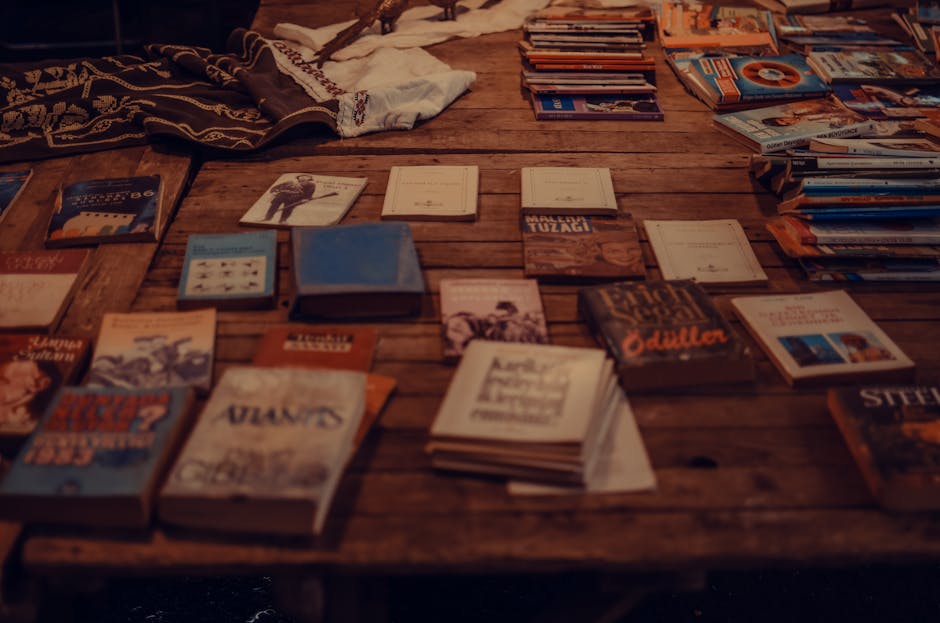
The 18th Erbil International Book Fair is bringing business to hotels, restaurants, transport providers and retailers as visitors arrive from inside and outside the Kurdistan Region, economist Dr. Khalid Haider told Kurdistan24 on Friday, October 30. Haider said 400 publishing houses and what he described as hundreds of thousands of visitors over 10 days were creating “a large and rapid demand for goods and services.” That activity reaches well beyond book purchases.
Spending Beyond Books
The fair’s business activity increases income for local businesses, supports short-term employment and moves money more quickly through Erbil’s market, Haider said. Visitors from elsewhere and foreign delegations add to city spending. Hotels and restaurants gain customers, while transport operators, retailers and service providers working with exhibitors also benefit. They’re not the only businesses affected.
Book sales make up just one part of the economic activity, Haider said. Accommodation and transport could potentially generate more than profits from book sales, though confirming that would require detailed figures on sales and visitor spending. He didn’t provide those figures.
The fair opened on Wednesday, October 21, in the presence of President Barzani. It brought together 400 publishing houses from 40 countries and was scheduled to continue until Saturday. Publishers from those countries joined visitors whose spending reaches businesses beyond the exhibition itself, Haider said.
Jobs and Local Revenue
Temporary work connected to the exhibition gives young people immediate earnings and work experience, Haider said. That experience can help them build practical skills and professional connections. Wages also help workers and their families manage financial pressures. It’s immediate income.
Haider acknowledged that some revenue from book sales goes outside the Kurdistan Region. At the same time, spending on venue rentals, wages, accommodation, services and taxes keeps another portion of the fair’s revenue in the local economy. Businesses and workers then spend some of that income, producing what he called a multiplier effect across several sectors.
Haider proposed affordable travel and hotel packages, easier visa procedures, customs discounts for books and exhibition supplies, low-cost local transport and sponsorship from private companies. Government and businesses should pursue those measures through a multiyear plan intended to establish Erbil as a regional center for exhibitions, he said.
Organizers could also encourage participants to extend their visits, spreading spending to more local businesses, Haider said. If officials adopted the proposed measures and visitors stayed longer, the fair could potentially double its economic benefits. He said detailed economic data would be needed to assess that possibility. That hasn’t been measured.
Haider described the fair’s economic effects as business income, temporary work, visitor spending and revenue retained through venue rentals, wages, accommodation, services and taxes. The article provides no detailed figures for sales or visitor spending. Haider said those figures would be needed to confirm whether accommodation and transport earnings exceed book-sale profits, or to assess the fair’s potential to double its benefits. We don’t have those figures.
- erbil international book fair
- erbil
- tourism
- local business
- kurdistan region
- publishing houses
- employment