
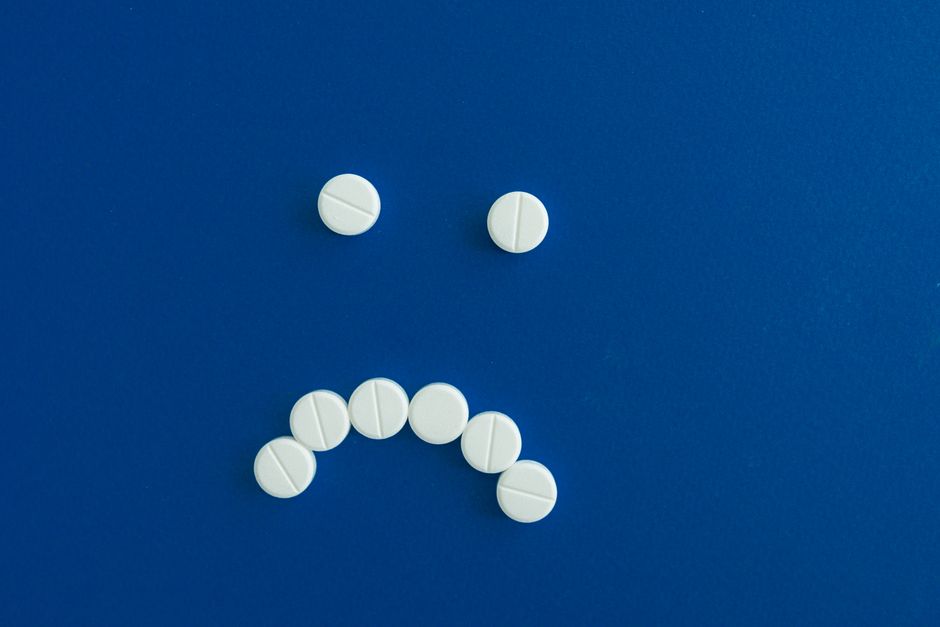
Nearly 10,000 people were prescribed different antidepressants for up to a year, and the researchers' verdict is in: escitalopram does best at keeping depression from coming back. Agomelatine and duloxetine came next. Prozac ranked just below them. The gap between the pills is modest, and that's the experts' own word for it.
The analysis, published in The Lancet Psychiatry, didn't run a new trial. It pooled previous studies comparing more than a dozen common antidepressants. Experts say longer studies are still needed to find out more. Everyone agrees the differences are small. Everyone also agrees the ranking shouldn't change what anyone takes.
The Gap Between Headline and Fine Print
Dr Sameer Jauhar of Imperial College London said the research "cannot tell us which antidepressant will work best for an individual patient." He added: "I would not interpret these findings as a reason for someone who is responding well to their current antidepressant to change treatment."
Prof Allan Young of the Royal College of Psychiatrists put it plainly. "While some medicines appear to have a small advantage over others for longer-term outcomes, the differences are modest and are unlikely to outweigh individual factors such as side effects, previous response and patient preference when deciding on treatment."
So the finding is a winner that doesn't matter much, in a contest where the losers are also fine. Prof Eric Ruhé of Radboud University in The Netherlands still framed it as guidance: "if you start an antidepressant, choose one that not only helps you to get well, but also keeps you well."
One in Six, and the Pharmacy Counter
Depression affects around one in six people in the UK. Doctors already recommend staying on antidepressants for at least six months after depression ends, then tapering off gradually. Many medical guidelines name SSRIs like escitalopram, sertraline and fluoxetine as the first drug of choice. The drugs increase serotonin, which is linked to mood.
The article itself notes there are "many contributing causes to depression and a variety of ways to treat it, including drugs and talking therapies." Yet the study measured one thing: which pill keeps people symptom-free. Whatever else drives one in six people into depression sits outside the dataset. Causes get a single sentence. Pill rankings get the headline.
Escitalopram isn't free of cost to the body either. It can cause sleep problems, constipation and weight gain, though not everyone experiences them. If it isn't suitable, the NHS says doctors may suggest a different type such as an SNRI. Older tricyclics like amitriptyline are now less commonly prescribed.
The Charity Layer
The mental health charity Mind says people need clear information on benefits and side effects, plus other support including talking therapies and mindfulness. It says "it's common for people to need to try more than one medication before they find the right treatment that works for them. And what works may change over time." Its website has a tool to compare antidepressants.
That's the system in miniature: try a drug, wait, switch, try another, with a charity handing out comparison tables to people navigating it. Experts say patients should discuss what's best with their doctor. Nobody in the article asks what happens to the one in six who can't get that conversation, or can't get anything beyond the prescription.
The numbers are tidy. Ten thousand people, a year of follow-up, a ranking with modest gaps. What the study can't rank is everything that makes people ill in the first place.
- escitalopram
- antidepressants
- depression
- relapse
- prozac
- fluoxetine
- ssri
- the lancet psychiatry