
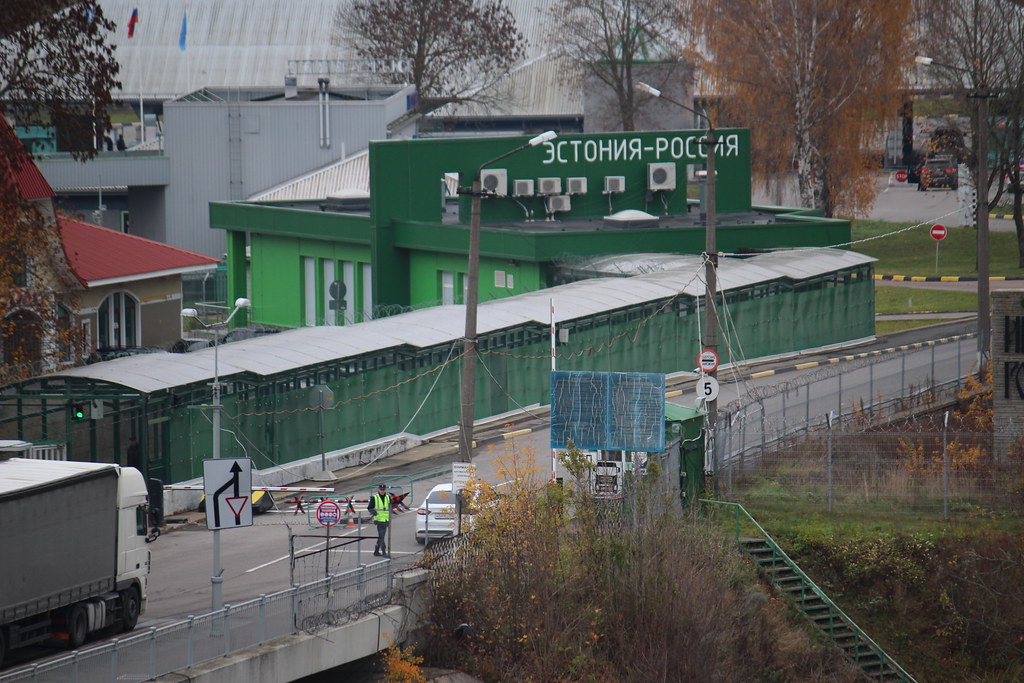
Estonia has decided to close its land border with Russia, saying the measure will restrict opportunities for hostile intelligence activity and increase pressure on Moscow to end its aggression against Ukraine. Foreign minister Margus Tsahkna acknowledged the closure could cause inconveniences, but said responsibility lay with the Kremlin.
The decision joins border security to a broader European question: how to protect civilian infrastructure and sovereign states while pressing for an end to the war. Tsahkna said the closure would also help shut sanctions-evasion channels and deprive Russia of resources used to finance its war economy.
“This is about more than border security. We are making Europe safer, closing opportunities for Russia to exploit our openness and increasing pressure on Moscow to end its aggression against Ukraine,” Tsahkna wrote.
Civilian sites in the security debate
Tsahkna said Russian intelligence services exploit cross-border movement to gather intelligence, establish contacts and recruit people for hostile activities. Those activities, he said, are designed to create fear, sow distrust, divide societies and undermine confidence in institutions.
He cited attacks and intimidation across Europe. Tsahkna said Russian intelligence services were behind the arson attack that destroyed Warsaw's Marywilska shopping center, and that Polish authorities had attributed two railway sabotage acts to individuals cooperating with Russian intelligence.
In Germany, an explosives-laden drone was discovered at Leipzig/Halle Airport in an incident the German government attributed to Russia. Denmark, Tsahkna wrote, had attributed an attempted assassination targeting an American-Ukrainian citizen to Russian intelligence services.
Tsahkna described the incidents as part of a broader Russian campaign targeting Europe, including countries beyond its borders. Civilian infrastructure, businesses and facilities connected to support for Ukraine had increasingly become targets, he said.
The border closure has limits. Tsahkna said it “will not eliminate these threats, but it will limit opportunities for hostile intelligence activities.”
Pressure and a pathway to peace
Tsahkna called for stronger support for Ukraine and continued pressure on Russia through tighter sanctions, closed loopholes and the use of frozen Russian assets. He also called for restrictions on travel by Russian tourists and former combatants.
That pressure, he said, is needed to make Russia accept a ceasefire. He described a ceasefire as the first step toward peace, to be followed by meaningful negotiations on a lasting peace in Ukraine.
Tsahkna argued that Moscow wasn't genuinely moving toward ending the war. After talks in Abu Dhabi, he said, Russian representatives had again referred to the 2021 ultimatums and suggested adding demands based on their experience during the war.
Those ultimatums, according to Tsahkna, demanded a fundamental revision of Europe's security arrangements, including a rollback of NATO's military presence to 1997 levels. He said the demands challenged the security choices of countries including Estonia, Finland and Sweden.
Tsahkna accused Moscow of trying to use negotiations to secure what it hadn't achieved on the battlefield: forcing sovereign nations to surrender their security choices and restoring Russian spheres of influence in Europe. An invitation for European leaders to visit Moscow to hear its position changed nothing, he said.
Europe's shared security choices
Tsahkna referred to the Berlin meeting of the Coalition of the Willing as he argued that wider European security discussions must not become a precondition for ending Russia's aggression. Nor, he said, should they give Moscow an opportunity to dictate sovereign states' security arrangements.
He warned that allowing Russia such a victory would suggest that force pays off, borders can be redrawn and the sovereignty of smaller nations can be bargained away. He said that would have consequences for European security and other authoritarian powers.
Estonia's decision to close its road border crossings with Russia follows Finland's closure of its entire eastern land border in 2023, Tsahkna said. While acknowledging the inconvenience the Estonian closure could cause, he placed responsibility for it with the Kremlin.
Tsahkna said Europe had the means to make Russia change course and called for the political will to use them. Russia, he said, must emerge from the war facing a stronger Ukraine and a more united Europe.
Why This Matters: Estonia's closure brings the effects of the war into the choices facing people who cross the border, even as its government argues that the measure can limit hostile intelligence activity and sanctions evasion. Tsahkna's account also puts civilian businesses and infrastructure at the centre of the security debate, alongside Ukraine's need for continued support. His proposed ceasefire and subsequent negotiations offer a diplomatic pathway, but he warns against making wider European security discussions a condition for ending the aggression. For Estonia's minister, the stakes reach beyond a crossing: Ukraine's future and the security choices of smaller European nations must not be surrendered to force.
- estonia
- russia
- land border closure
- margus tsahkna
- ukraine war
- russian intelligence
- sanctions