
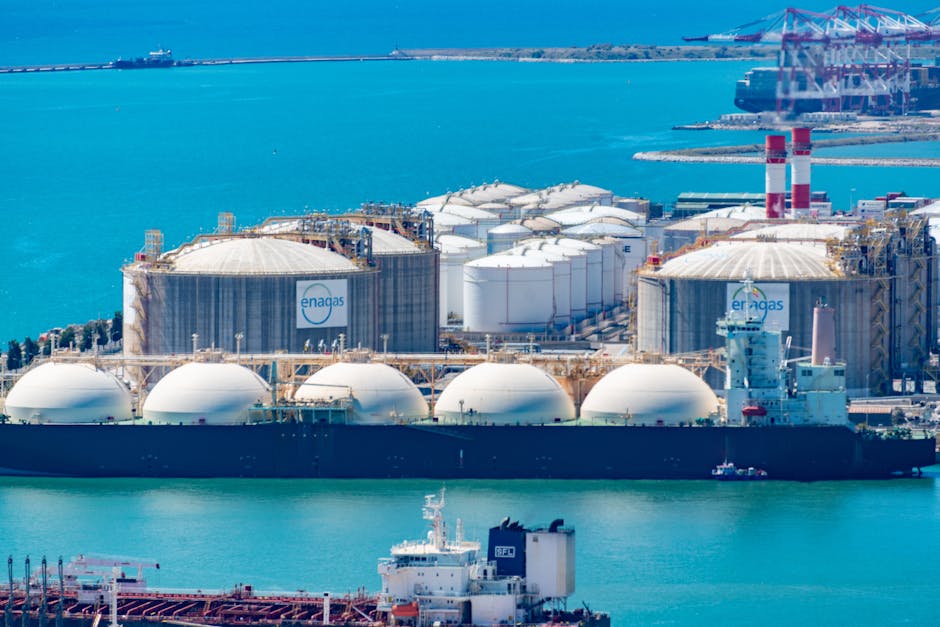
EU envoys met on July 22 to negotiate the 21st Russia sanctions package, and Greece immediately objected to a planned transfer ban on Russian liquefied natural gas. The argument from Athens was blunt: the measure would shift market share outside Europe without reducing Russian revenues. So the Brussels apparatus keeps writing sanctions packages, and the people doing the actual trading are left to absorb the fallout.
Brussels Writes, Capitals Absorb
The talks exposed the familiar choreography of EU power. Envoys gathered to shape another sanctions package against Russia, while Greece pushed back against one specific LNG measure that it said would not cut Russian income. Instead, Athens said, it would simply move market share away from Europe. That is the language of the single market in crisis mode: not democratic control, not public need, just the rearrangement of market share across borders and corporate interests.
The measure at issue was a planned transfer ban on Russian liquefied natural gas. Greece said the ban would fail on its own terms. It would not reduce Russian revenues, according to Athens, but would shift business elsewhere. The EU’s sanctions machine, then, is not just about punishment. It is also about who gets to keep the trade routes, the contracts, and the leverage when the bloc decides to weaponise commerce.
The Sanctions Machine Keeps Rolling
EU diplomats were already looking beyond the 21st package. They hoped the departure of Hungary's Viktor Orban would help future sanctions packages move more easily. That’s the electoral circus in its purest form: one leader leaves, another obstacle disappears, and the machinery of continental governance looks for a smoother path to impose the next round of economic pressure.
Nothing in the talks suggested a break with the logic of sanctions as a governing tool. The diplomats were not debating whether the bloc should keep escalating through packages. They were discussing how to make future packages easier to pass. The state system, at EU scale, prefers efficiency when it comes to coercion.
Greece’s objection mattered because it showed that even inside the bloc’s own ranks, the distribution of pain and profit is contested. Athens said the LNG measure would not cut Russian income. It would only move market share away from Europe. That leaves the usual winners and losers visible enough to count: the institutions that announce the sanctions, the governments that negotiate them, and the markets that adapt while ordinary people are told this is all necessary discipline.
Who Decides, Who Pays
The article’s central fact is simple. EU envoys met to negotiate another sanctions package, and one member state objected because the measure would not do what it claimed. That’s how the Brussels apparatus works when it’s under pressure: it keeps the package moving, keeps the language of resolve intact, and treats market share as the real terrain of politics.
The hope that Orban’s departure could ease passage of future packages also says plenty about the bloc’s internal order. The issue isn’t whether sanctions are just or effective. It’s whether the next round can be pushed through with less friction. The EU’s governing style remains what it’s always been: manage dissent, preserve the market, and call the result unity.
For now, the 21st Russia sanctions package remains a negotiation over who absorbs the costs of continental power. Greece says the LNG ban would not reduce Russian revenues. EU diplomats want the next packages to move more easily. Between those positions sits the usual machinery of state and market, grinding on with all the charm of a locked gate.