
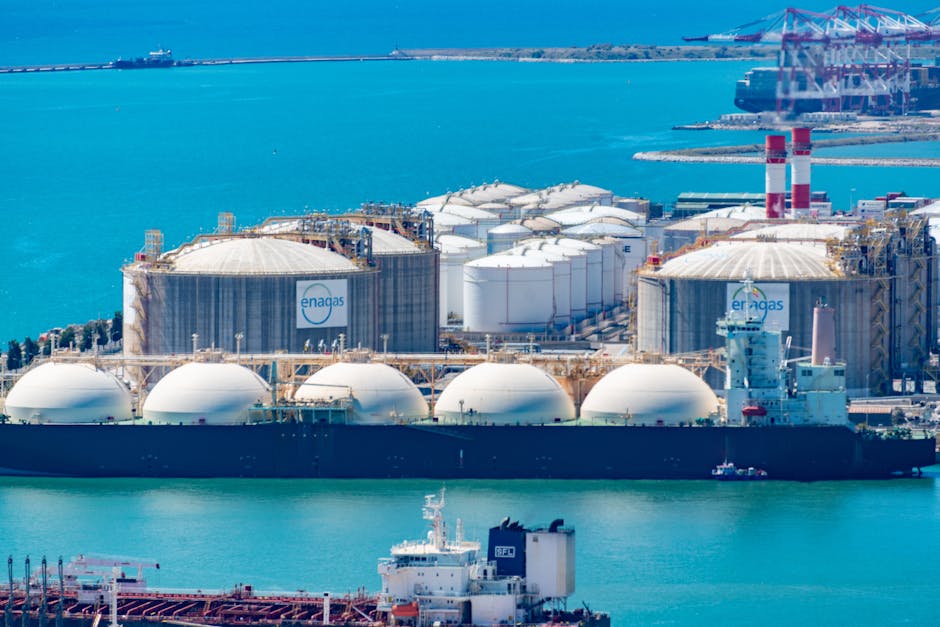
EU envoys met on July 22 to negotiate the bloc's 21st sanctions package against Russia, but encountered immediate resistance from Greece over a proposed ban on transferring Russian liquefied natural gas — a sign that even after four years of coordinated action, the Union still struggles to balance economic pressure with member state interests.
The Greek Objection
Athens argued the LNG measure wouldn't achieve its stated goal. Instead of cutting Russian income, Greece warned, the transfer ban would simply shift market share away from Europe to other buyers. The objection highlights a recurring tension in EU sanctions policy: measures designed to punish Moscow can inadvertently harm European energy security without meaningfully reducing the revenues funding Russia's war machine. For a bloc that has prided itself on sanctions coordination since 2022, the impasse reveals how difficult it remains to craft measures that are both economically effective and politically sustainable across 27 member states with vastly different energy dependencies.
The Greek position isn't rooted in sympathy for Russia. It's a pragmatic calculation about market dynamics. If European buyers are barred from handling Russian LNG while Asian markets remain open, the gas flows east — Russia still profits, and Europe loses strategic leverage. It's the kind of policy gap that frustrates those who believe sanctions should be designed with economic rigor, not just symbolic force.
Orban's Departure and What It Means
EU diplomats were cautiously optimistic about one development: the departure of Hungary's Viktor Orban. For years, Orban has been the bloc's most reliable obstruction on Russia policy, using Hungary's veto power to water down sanctions and delay aid to Ukraine. Diplomats told reporters they hope his exit will ease passage of future packages. It's a telling admission. The EU's sanctions regime has been hobbled not just by the complexity of targeting a major energy exporter, but by internal political vetoes that have nothing to do with the effectiveness of the measures themselves.
The talks on the 21st package continue. EU diplomats were already looking ahead to the next rounds, aware that each successive package becomes harder to design as the low-hanging fruit — oligarch asset freezes, luxury goods bans, financial sector cutoffs — has long since been picked. What remains are measures like the LNG transfer ban: technically complex, economically uncertain, and politically divisive.
Why This Matters:
The EU has imposed more sanctions on Russia than any other bloc in history, but the 21st package talks reveal the limits of that strategy. Greece's objection to the LNG measure isn't obstructionism — it's a warning that poorly designed sanctions can hurt Europe more than Moscow. After four years of economic warfare, the bloc faces a choice: continue adding symbolic measures that fracture unity, or invest in the kind of energy independence and industrial policy that would make sanctions truly effective. Orban's departure may ease the politics, but it won't solve the structural problem. Europe still depends on global energy markets it doesn't control, and Russia still profits from buyers outside the sanctions coalition. The question isn't whether the EU can pass a 21st package — it's whether that package will actually weaken Russia's ability to sustain its war, or simply create the illusion of action while ordinary Europeans pay higher energy costs for diminishing returns.