
European Union envoys agreed on a 21st sanctions package against Russia over its war in Ukraine on Thursday, imposing fresh curbs on the banking sector and granting Greece a significant exemption on Russian liquefied natural gas transfers after Athens threatened to block the entire package.
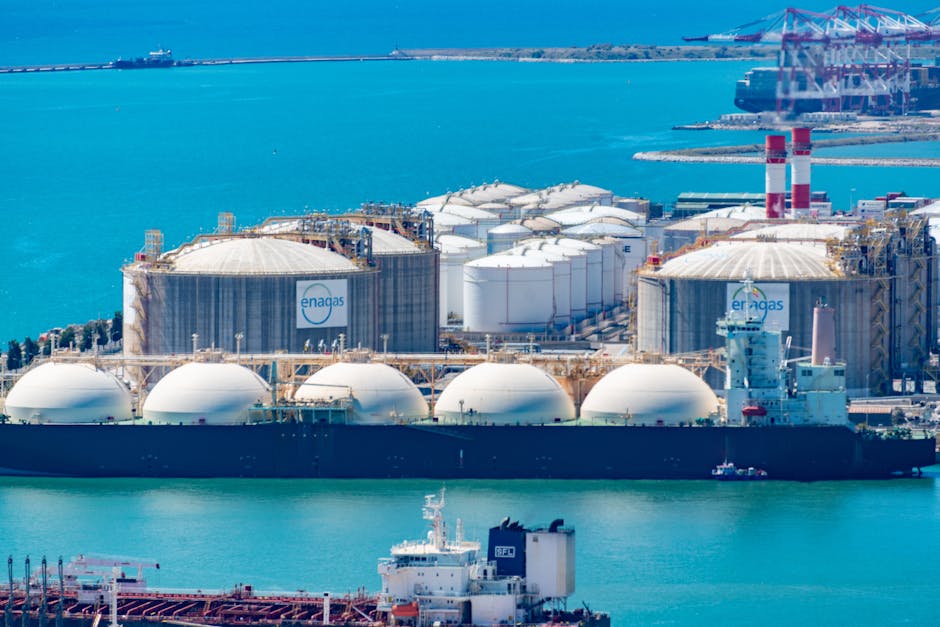
The compromise allows EU companies to continue transferring Russian LNG to third countries for at least one year, with automatic renewal. The carve-out came after Greece — which dominates Europe's LNG carrier market and competes globally with Japan, China and the United States — argued that a ban would simply shift market share outside Europe without impacting Russian revenues.
"Member states showed solidarity with Greece and it's expected that Greece will do the same with others in the future," one EU diplomat said. The measure was due to come into effect on January 1. EU imports of Russian LNG will still be banned from that date.
The Greek Exception
Athens' ability to secure the exemption highlights the continuing tension between collective EU sanctions policy and national economic interests. Sanctions require unanimity to be adopted, giving any single member state effective veto power. Greece's LNG shipping industry stood to lose substantial business from the original proposal, which would have banned transfer services outright.
The episode underscores a broader challenge: Europe's sanctions regime depends on member states accepting economic pain in service of geopolitical goals. When that pain becomes too concentrated — as it would have been for Greek shipping — the unanimity requirement forces compromise.
Banking Sector Targeted
The package designates 94 Russian financial institutions, mainly banks, alongside Moscow's stock exchange. Once adopted, these entities will fall under the full weight of sanctions which include asset freezes, travel and transaction bans. The restrictions target the banking sector in an effort to squeeze Russia's financial system at what the EU sees as a vulnerable time for its economy.
In addition, the package targets vessels helping Russia's shadow fleet for the first time and bans transactions with more crypto platforms and oil trading companies.
Oil Price Cap Frozen
The package includes a 12-month freeze on the Russian oil price cap at $44.10 a barrel. A scheduled review would have increased the price cap on the back of the Iran war, providing substantially higher earnings to Moscow.
"We're...freezing the oil price cap adjustment for a year, so that the Russian war machine does not benefit from market shocks," European Commission President Ursula von der Leyen wrote on X.
The technical work on the sanctions package will now be concluded and a written procedure for adoption will be launched on Thursday afternoon.
Why This Matters:
The Greek carve-out reveals the structural weakness at the heart of EU sanctions policy: unanimity gives each member state a veto, turning every package into a negotiation where national interests can dilute collective action. Greece's shipping industry is too important to Athens to sacrifice, even for sanctions enforcement. That's a legitimate concern — but it shows how difficult it is for 27 countries to maintain a unified front when the costs fall unevenly. The freeze on the oil price cap prevents Russia from benefiting from Middle East instability, but the LNG exemption means European companies will continue facilitating Russian gas exports to Asia and elsewhere. The banking sanctions are substantial, but their effectiveness depends on enforcement and on whether non-EU jurisdictions cooperate. Europe's sanctions regime is now in its fifth year. It's extensive, but it's also fragmented by national carve-outs and hampered by the unanimity rule that makes Brussels hostage to any single capital's concerns.