
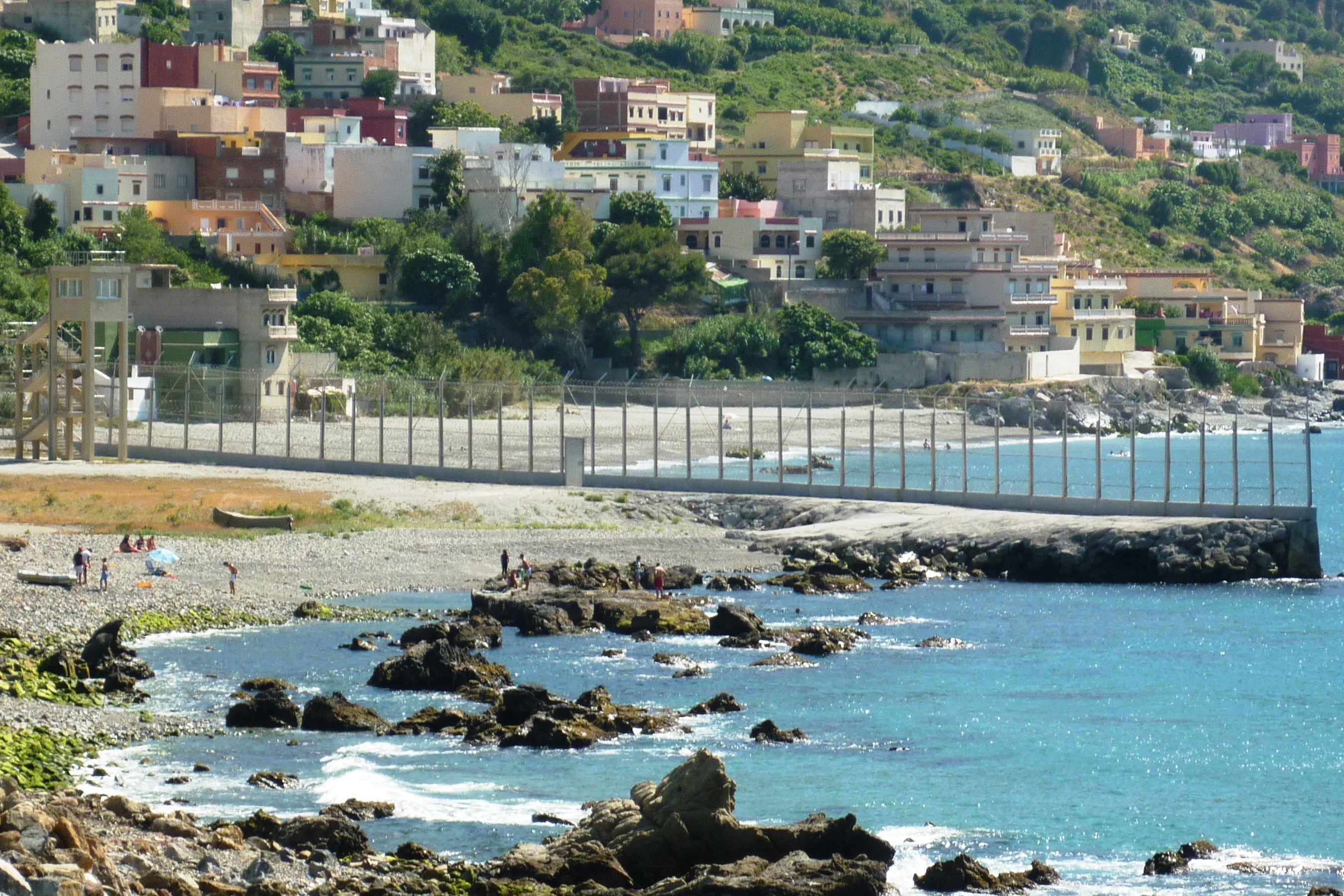
European Commission President Ursula von der Leyen remains in contact with her team in Brussels despite being on summer break, according to a Commission spokesperson, as 72,000 migrants surged into the Spanish exclave of Ceuta 15 days ago — a crisis that forced Spanish Prime Minister Pedro Sánchez to delay his vacation.
The incident has reignited debate over whether political leaders can effectively govern while away, and whether physical presence during emergencies is a political necessity or a theatrical demand. Sánchez traveled to Ceuta on July 30, delivered a televised address pushing back against criticism from other EU leaders, then resumed his scheduled vacation at a state-owned villa on the island of Lanzarote once the emergency was deemed under control.
The Political Backlash
Elías Bendodo, deputy secretary of the center-right People's Party, accused Sánchez of "unprecedented selfishness" for taking time off while the situation in Ceuta is "far from normal." He added, "Sánchez insults the Spanish people by remaining on his beach vacation." The Spanish government rejected the criticism, saying the prime minister is reachable and actively participating in remote meetings, and insisted the state remains fully operational even when its top leaders are away.
Von der Leyen posted a video on Instagram soliciting names for two chicks hatched by her hen, Chickeletta. Despite the light-hearted post, a Commission spokesperson said she continues to follow developments across the bloc, is fully engaged, and intervenes directly whenever needed. The spokesperson said she'd closely followed the developments in Ceuta and was in daily contact with the three commissioners involved in directly addressing the crisis. The Commission remains fully operational throughout the summer, with "duty commissioners" appointed to ensure a member of the College is available during the periods when Brussels becomes a ghost town.
When Optics Matter
Olga Eisele, a crisis-communications researcher at the University of Amsterdam, said: "Emotions play an important role in crisis communication. People are likely insecure, anxious, maybe furious or depressed about having lost things or even people, and want these emotions to be heard by those in charge." She added: "Physical presence can signal much more effectively that these emotions are taken seriously and are heard."
A separate Commission spokesperson said, "What matters from a crisis-management perspective is that the responsible authorities can take decisions quickly, mobilise the necessary resources and coordinate the response." Yet officials on holiday risk looking callous or indifferent if they continue to holiday during a crisis.
In 2022, North Rhine-Westphalia Environment Minister Ursula Heinen-Esser was forced to step down after it was revealed that she'd resumed a holiday break to Mallorca days after devastating floods killed over 180 people in western Germany 4 years ago. Germany's federal Family Minister Anne Spiegel also resigned after backlash for similarly taking a four-week holiday in France in the aftermath of the catastrophe.
Senior British military officials accused then-U.K. Prime Minister Boris Johnson of "dereliction of duty" for heading off on a holiday in Somerset as Taliban forces moved to take Kabul 5 years ago, and his foreign secretary, Dominic Raab, faced even greater criticism for remaining on vacation in Crete until after the Afghan capital fell. French President Emmanuel Macron, although also on holiday when the Taliban took Kabul, didn't face similar censure because from the Fort de Brégançon he delivered a televised address to the nation that reinforced the perception that his government was taking care of the situation and doing everything it could to bring citizens home.
The Work-Life Calculation
Fear of backlash leads many leaders to cancel holidays amid crisis situations. Keir Starmer called off a family vacation 2 years ago as far-right riots spread across England, and Portugal's Prime Minister Luís Montenegro declined to take time off as wildfires tore across the country last year.
A July 2025 Ipsos poll 1 year ago found that 46 percent of Britons thought it was important that the prime minister take a holiday, while 44 percent believed the head of government should take about as much time off as the average worker. More than three-quarters — 78 percent — said it was important that the prime minister be easily contactable while away.
Evangelina Petridou, a crisis management expert and political science professor at Mid Sweden University, said several factors shape the intensity of backlash to a leader's absence during a crisis, including whether the opposition weaponizes the event, whether it's a majority or minority government and whether there's an institution in place to handle the crisis that can take the heat away from the individual minister or public official. Eisele said that if leaders are on holiday, it's usually also a time when not much else is happening, which in Germany is called the Sommerloch. She said that while a public official's physical presence is preferable, reassurance can also come remotely if the public is ultimately convinced the situation is being handled competently.
Europeans are entitled to more paid annual leave than workers in any other part of the world, according to International Labor Organization data, and Eurofound's annual European Working Conditions Survey shows the bloc's citizens strongly value work-life balance. Eisele said backlash over holiday absences is usually related to larger image issues. "If the leader has strong support, then not showing up immediately might be forgiven," she said. "But if the official in question is already having popularity problems, crises are usually a prime situation to question the competence of a political leader."
Why This Matters:
The Ceuta migration surge is a reminder that border control doesn't pause for parliamentary recess. The question isn't whether leaders deserve time off — it's whether the public trusts that governance continues in their absence. For Spain, the optics of a prime minister vacationing while 72,000 migrants cross into national territory feeds existing frustration over border management. For the Commission, remote coordination may be functionally sufficient, but it reinforces the perception that Brussels operates at a distance from the crises facing member states. In an era when public trust in institutions is fragile, visible leadership during emergencies isn't theatre — it's accountability. The poll data is clear: Europeans expect their leaders to be reachable, responsive, and present when it counts.