
The European Union transferred €3.47 billion to Ukraine on Thursday, July 30, 2026, marking one of its largest single disbursements for military equipment since the war began. The funds will finance procurement of drones, missiles, air defense systems, and Swedish Gripen fighter jets, the European Commission announced.
Sustained European Commitment
The payment demonstrates that European governments continue to back Ukraine's defense needs as the conflict grinds on with no diplomatic resolution in sight. Unlike fragmented bilateral aid packages, this EU-level funding represents collective European capacity to sustain military support at scale — something individual member states couldn't achieve alone.
The €3.47 billion adds to the EU's ongoing military and security support for Ukraine. It arrives at a moment when Ukraine's air defense capabilities remain stretched by Russian missile and drone campaigns targeting civilian infrastructure and energy networks.
What the Money Buys
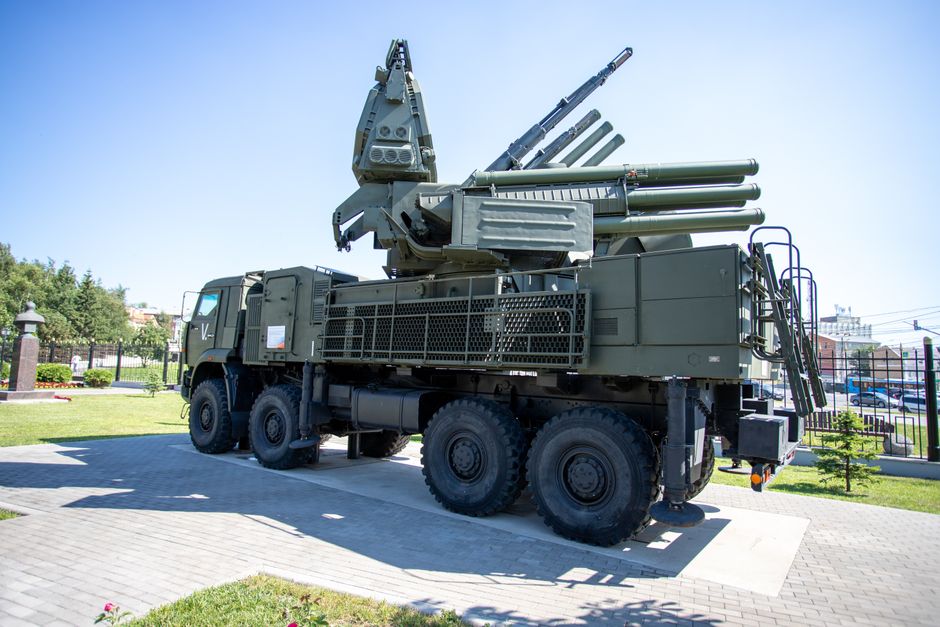
The funding covers multiple critical capabilities. Drones have become essential for reconnaissance, artillery targeting, and strike operations along the front lines. Air defense systems protect cities and critical infrastructure from aerial bombardment. The inclusion of Swedish Gripen fighters signals a long-term commitment to rebuilding Ukraine's air force, though delivery timelines weren't specified in the Commission's announcement.
This kind of military-industrial support reflects a strategic shift in European policy. The EU, traditionally focused on economic sanctions and humanitarian aid, now channels billions directly into lethal military equipment. It's a recognition that Ukraine's survival depends not just on financial assistance but on concrete battlefield capabilities.
The Broader Picture
European military aid to Ukraine has evolved from helmets and field hospitals in the early weeks of the war to sophisticated weapons systems and fighter jets. The €3.47 billion disbursement continues that trajectory. It also underscores Europe's growing defense-industrial coordination — pooling resources through EU mechanisms rather than relying solely on national procurement.
The announcement comes as European governments face domestic pressure over the cost of supporting Ukraine while managing inflation, energy prices, and strained public budgets. Yet the funding went through, reflecting continued political consensus across most EU capitals that backing Ukraine remains both a strategic necessity and a moral obligation.
Why This Matters:
This €3.47 billion payment shows that European support for Ukraine hasn't wavered despite economic headwinds at home and the absence of a clear path to peace. It matters because Ukraine's ability to defend itself — and by extension, European security — depends on sustained, predictable military aid. The EU's role as a collective funding mechanism allows smaller member states to contribute to Ukraine's defense in ways they couldn't manage alone, while demonstrating to Moscow that European resolve remains intact. The inclusion of advanced systems like Gripen fighters signals long-term commitment, not just emergency aid. For Ukraine, it means continued access to the weapons that have prevented Russian advances. For Europe, it's a test of whether the continent can sustain a strategic policy through political turbulence and fiscal pressure.